... you don't need my love. Oh, give me back my heart before it breaks apart.
Something like that goes part of the chorus from the song "Flugzeuge im Bauch" originally by Herbert Grönemeyer, covered by Oli P. Who or what they were singing about, I don't remember anymore, just one thing: The struggle was real. Why Bulgaria makes me think of that in particular has mainly two reasons.
Bulgaria, not yet a Bulgarian girl, is stealing my heart. Never appearing on any of my bucket lists and ending up here by sheer coincidence, after my first trip outside of Sofia, I'm simply blown away by the country, the people, and all the diverse landscapes.
Second, my rental car only plays the radio. So, just like in the good old days, I’m listening to stations like Energy, which here in Bulgaria mostly play songs from my youth. From Avril Lavigne to DJ Bobo, it’s pretty much everything. The lineup is just as haphazard as my Spotify playlist “TOP 2.0.” It followed my first “TOP” playlist due to the uncontrolled growth of songs, but now includes more than 1,000 songs from a wide variety of genres. As I write this, I’m thinking about relaunching it—suggestions for a new name are more than welcome. I’m considering doing something crazy. Maybe I’ll just call it “TOP 4.0”…
But first things first. Anyone who follows my blog knows that I try to stay longer in most countries so I can get to know as much as possible about the country and its people beyond just where I’m staying. Since I work during the week, I usually only have the weekends for that. And I’m trying to make the most of them here in Bulgaria. I generally like Sofia, even though the “Studentski Grad” neighborhood has relatively little in common with Sofia’s Old Town. My accommodation is a former hotel that’s been converted into a hybrid model. So hotel guests live right next door to digital nomads who go to the coworking space to work. In addition to a hotel restaurant, there are fully equipped kitchens, laundry facilities, and a gym. On Friday, I discovered by chance that this hotel is just the tip of the iceberg. The actual business behind it is a company that recruits IT experts, hires them in Bulgaria, and sells “turnkey” AI solutions to manufacturing companies. The hotel serves as a base, office, and living quarters for employees, most of whom are recruited from among digital nomads. More on that at a later date, if applicable.
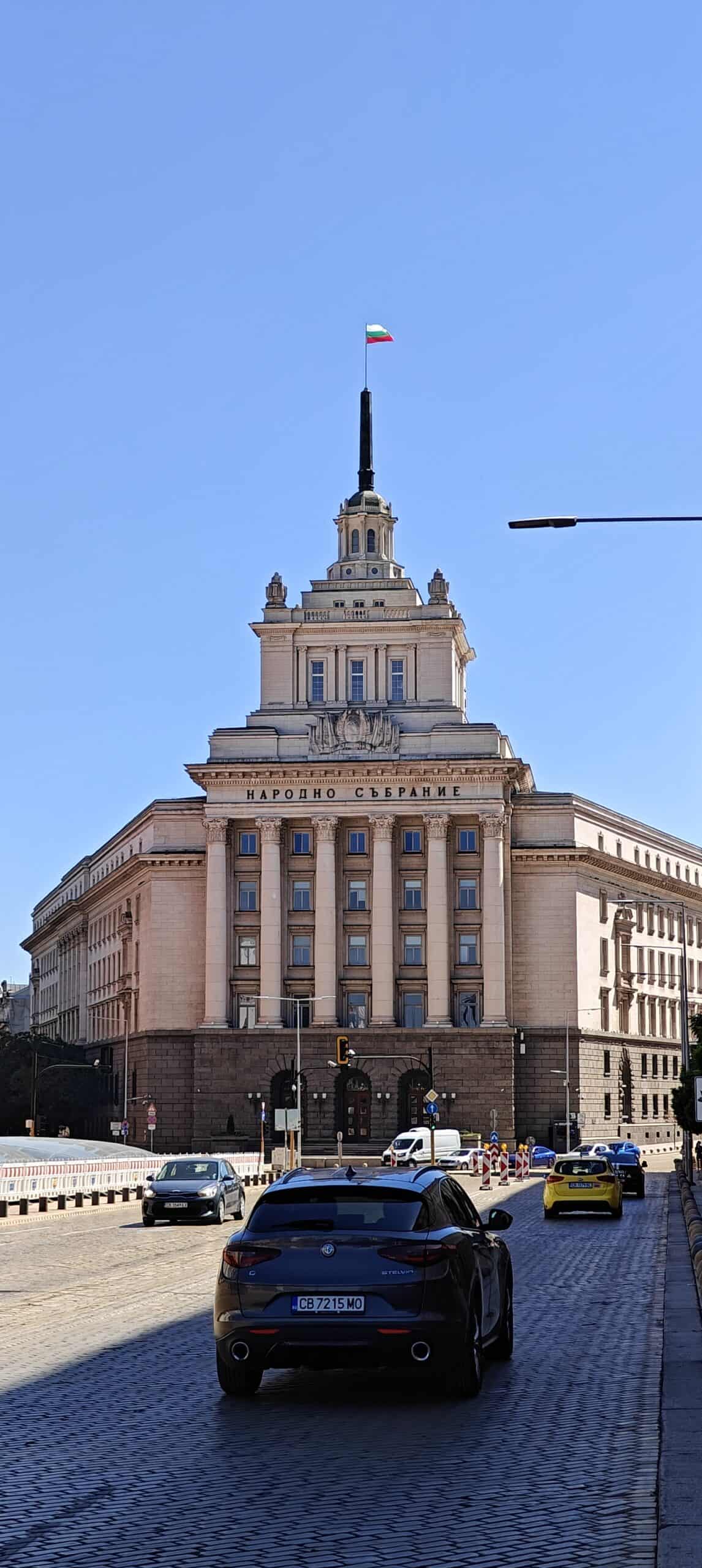
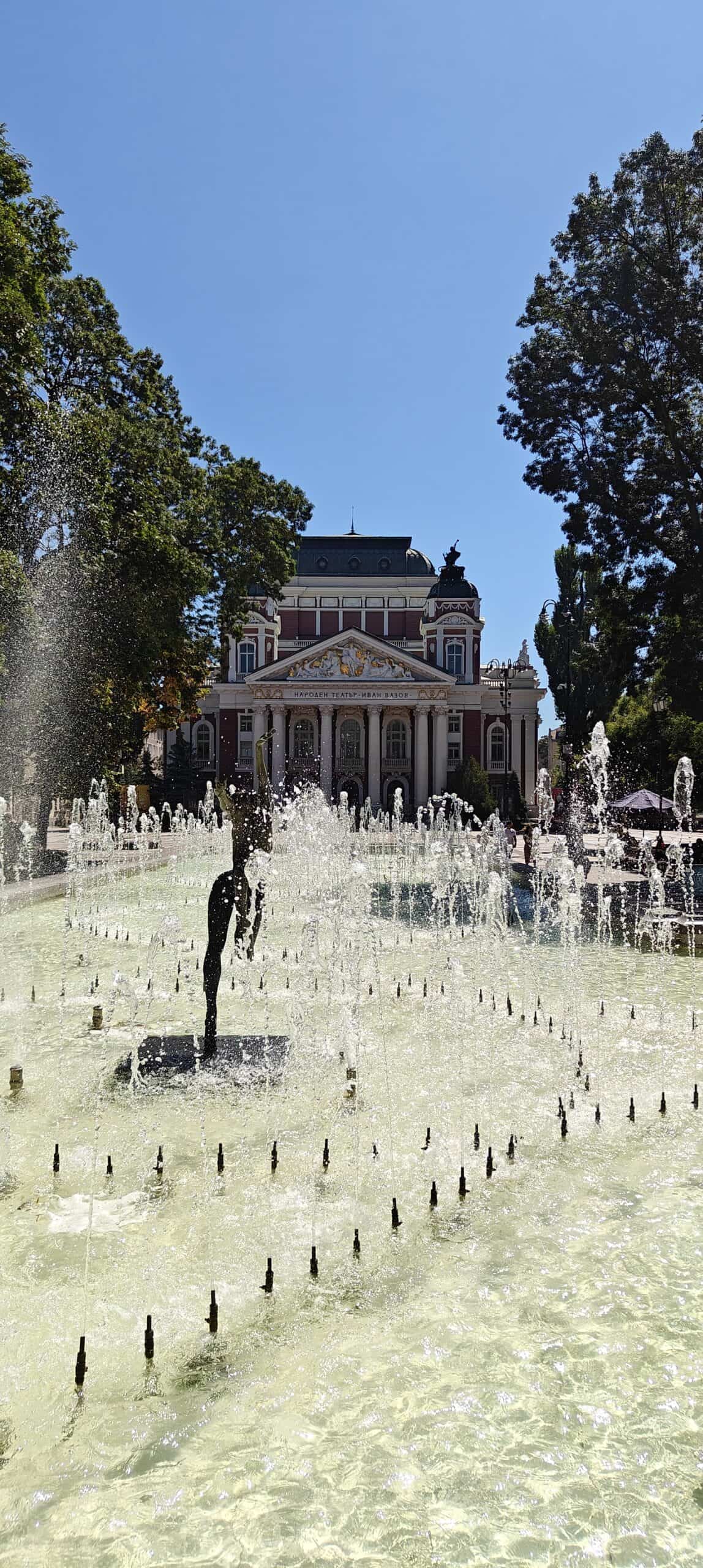
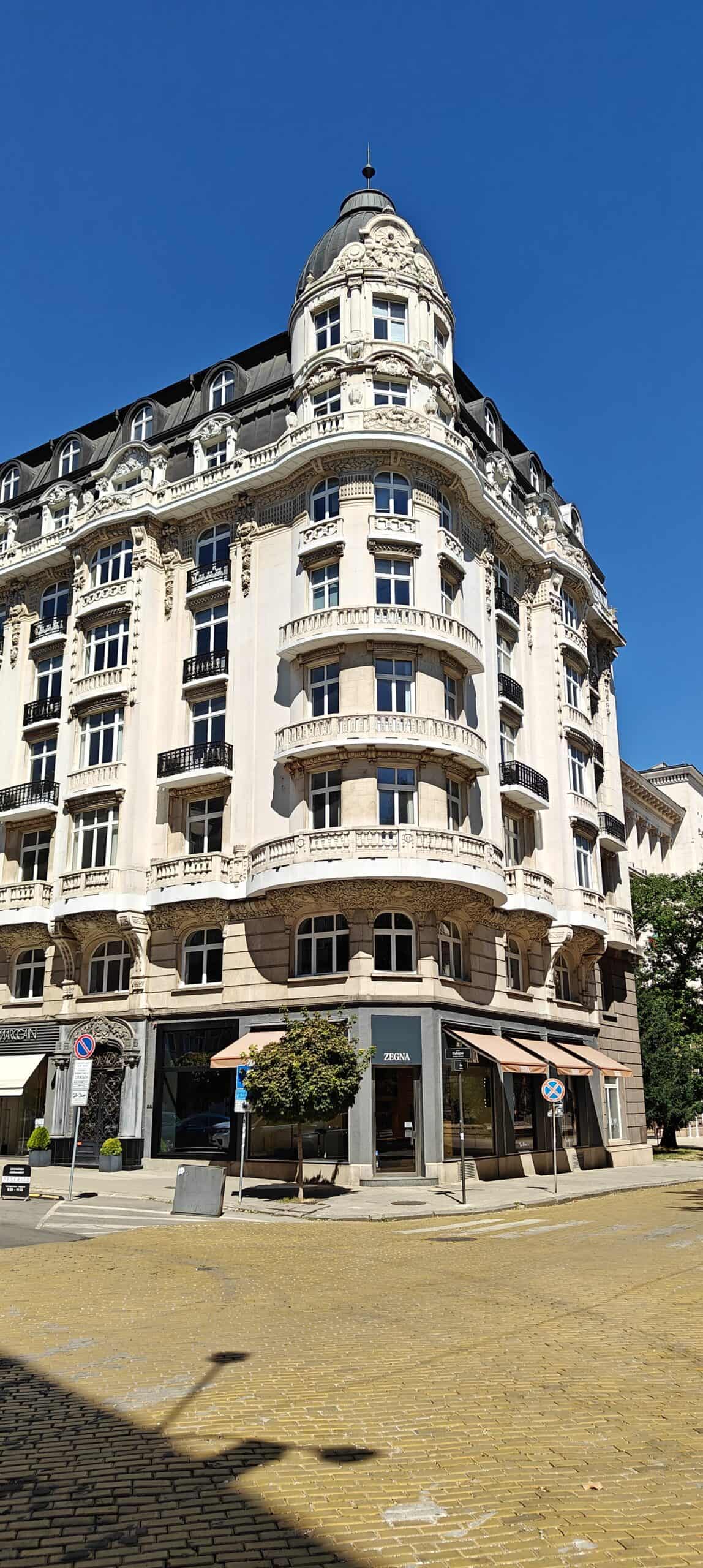
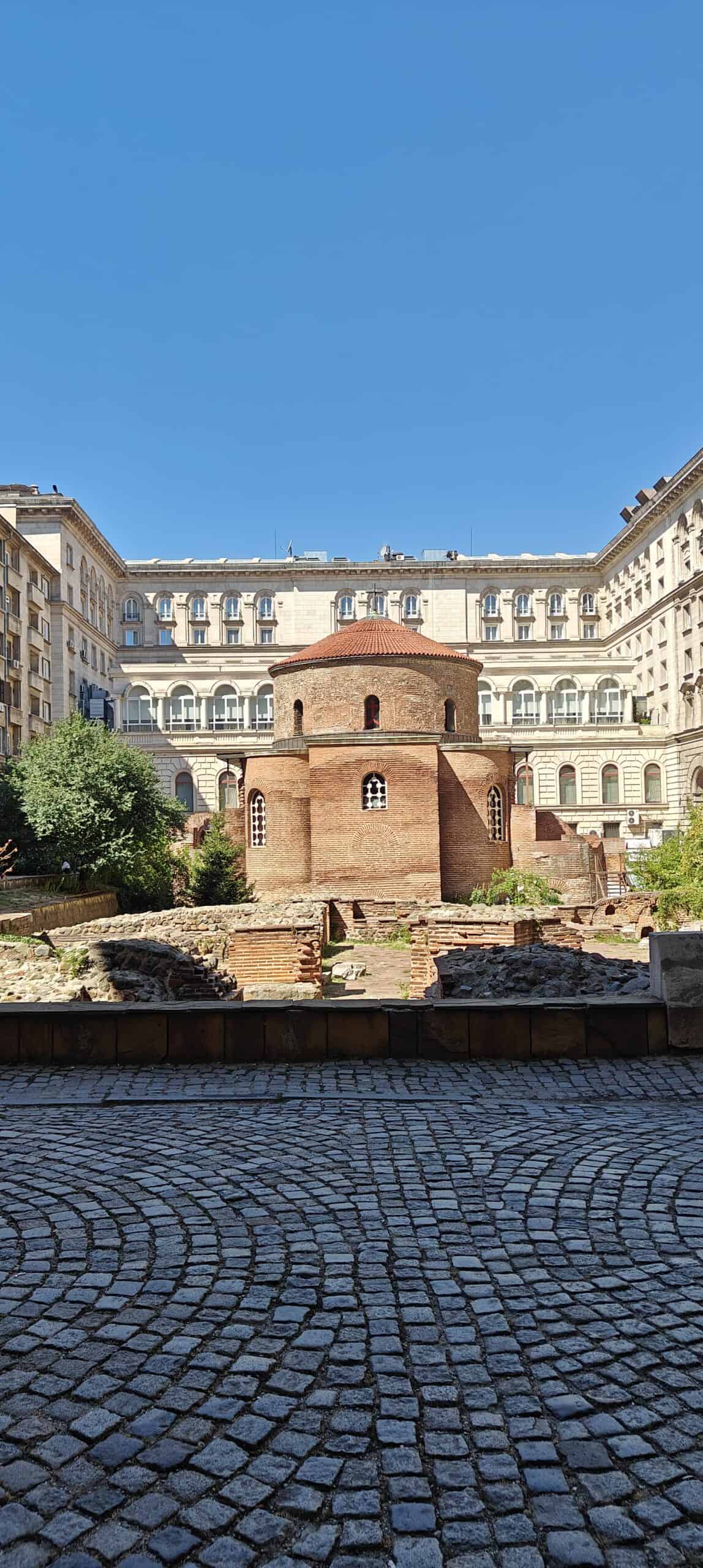
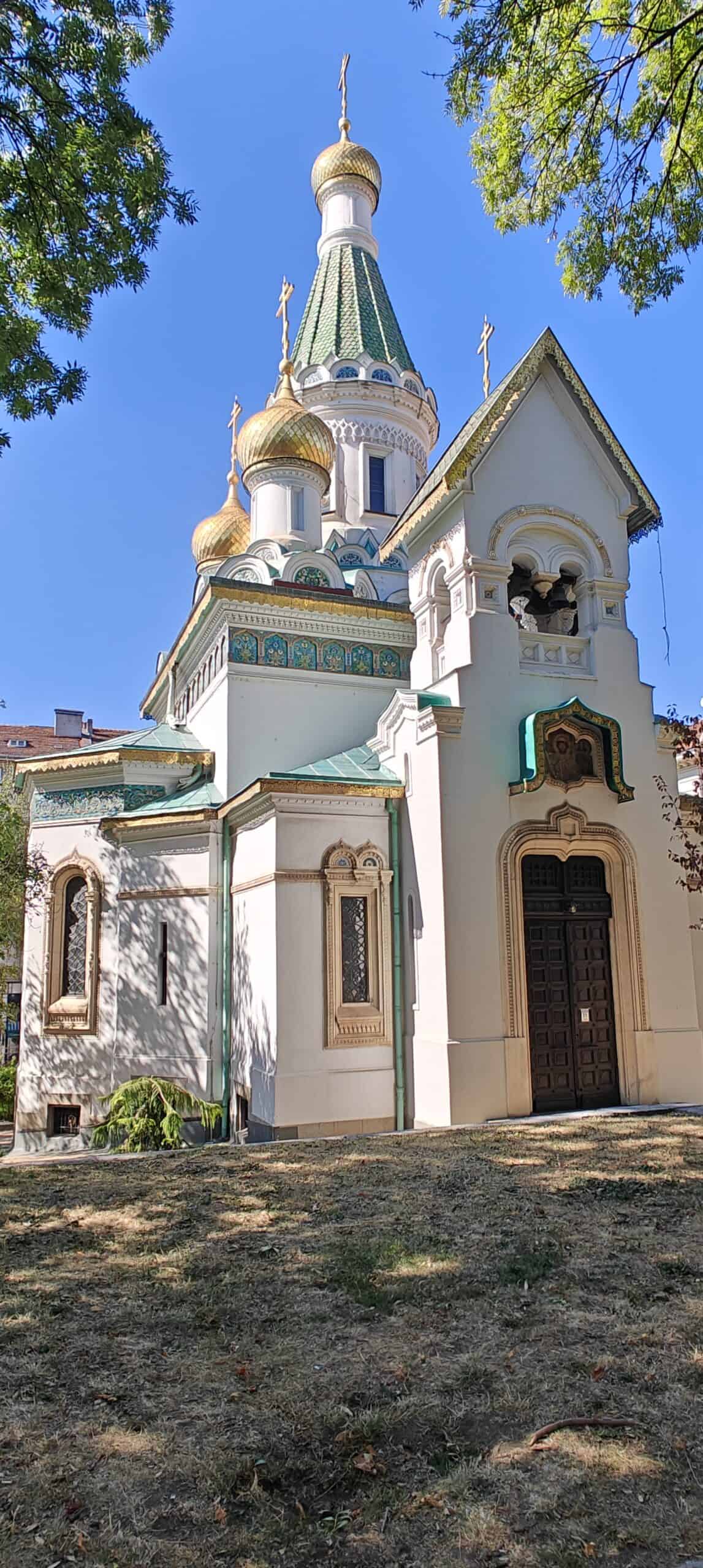
What makes me feel uneasy here in Sofia are my interactions with people in restaurants, here at the hotel, and wherever I encounter them. Any hint of friendliness seems to unsettle the city dwellers here. At first, I had slight flashbacks to Morocco, with the difference that everyone here speaks English very well. So, unlike in Morocco, having a conversation would theoretically be no problem at all. While I’d used my first weekend to explore Sofia’s beautiful old town (about half an hour away from me by public transportation), I wanted to use the other weekends to get to know Bulgaria outside the city. So I’m entering all the suggestions my Bulgarian client sent me via Teams into Claude and letting it plan my weekends.
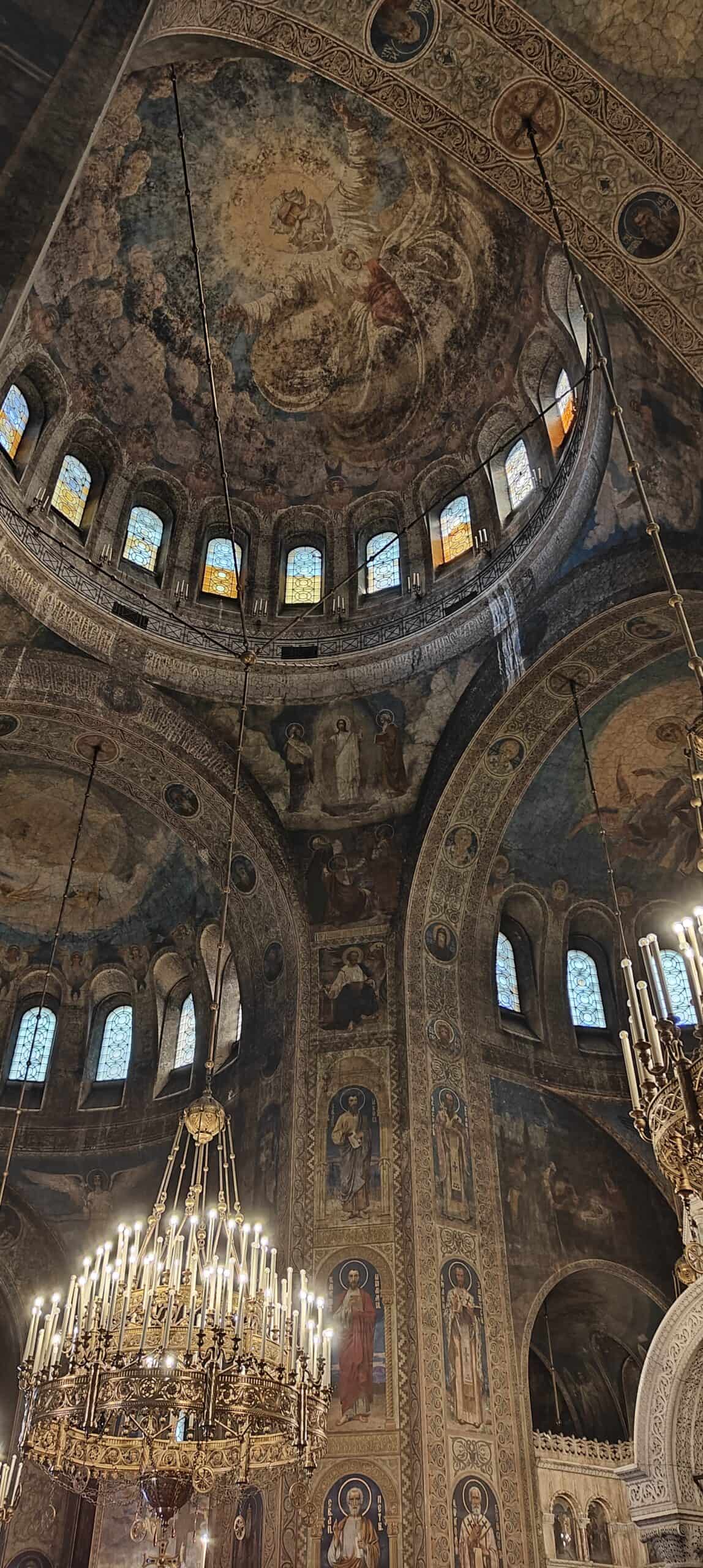
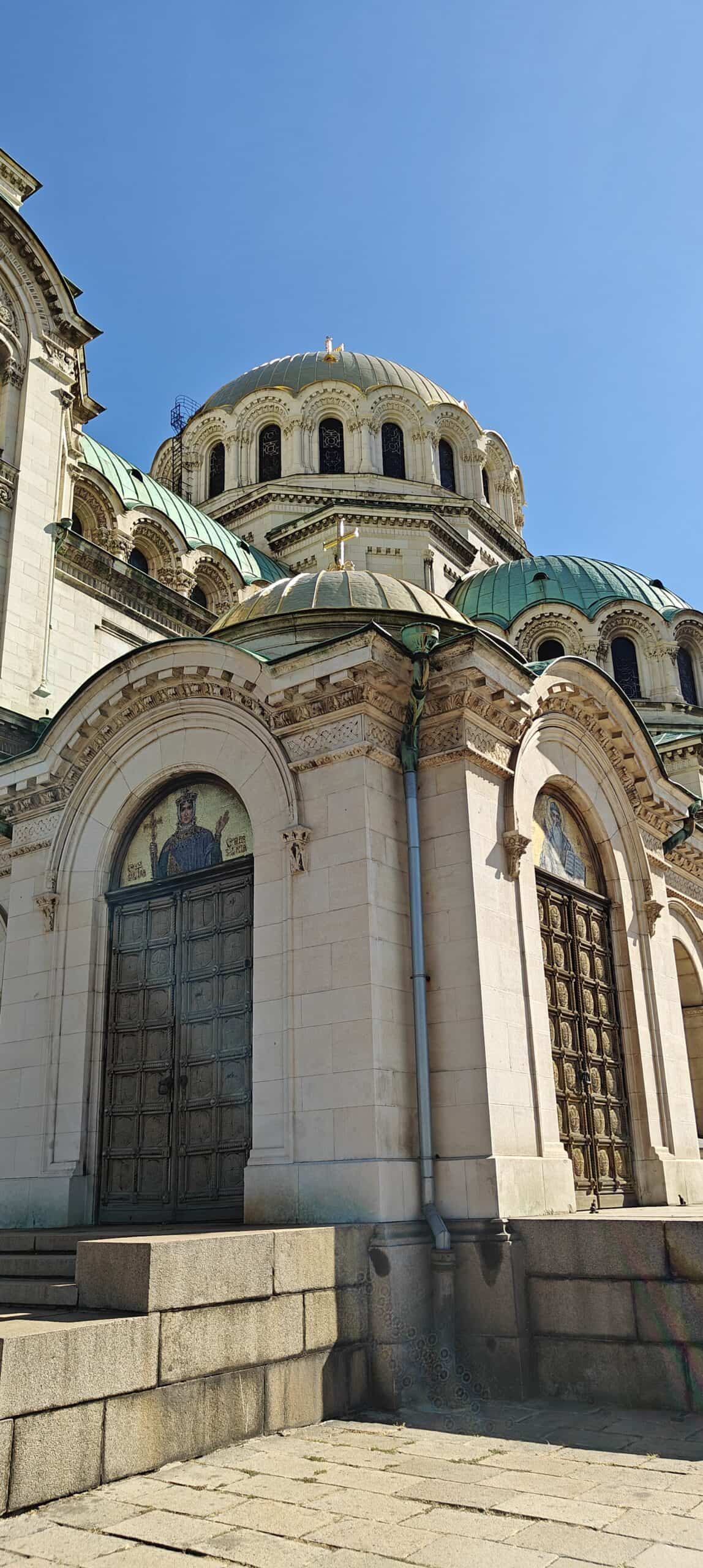
It’s 8 a.m. on Saturday. I ordered a taxi to the airport to pick up my rental car. A “Kia Picanto or similar” is waiting for me. As if by fate, the taxi driver is probably the friendliest Bulgarian I’ve met here in the past two weeks. From here on out, on a friendliness scale of 1 to 10, things can only get better.
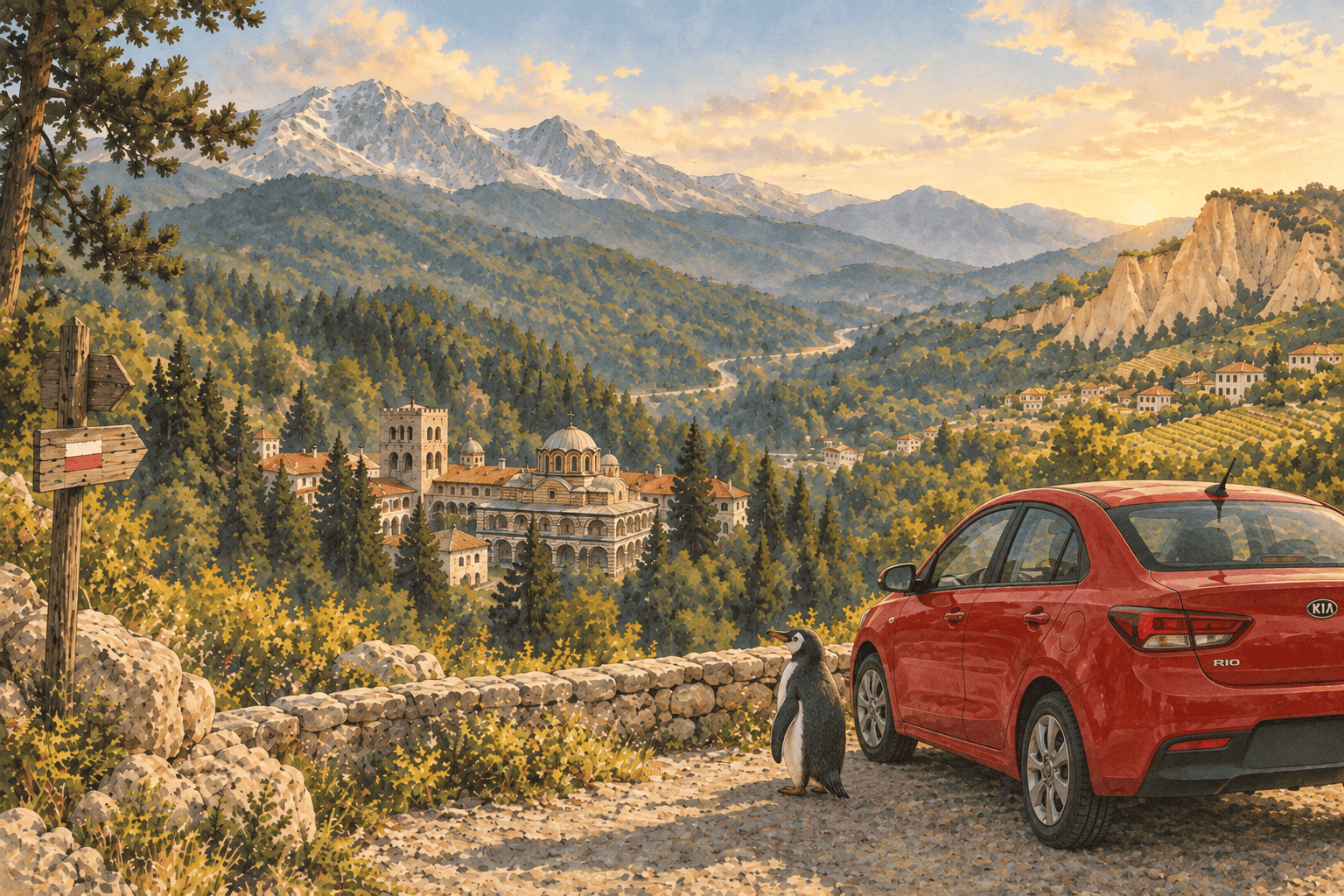
When I arrive at the Europcar counter, the next friendly Bulgarian greets me and asks how I’m doing. Now I’m suddenly unsure why he’s being so friendly. I reply, “Very well, and you?” And we strike up a nice, brief conversation before he hands me my paperwork and the key to the rental car. I get a Kia Rio. What at first sounds like Brazilian joie de vivre quickly turns out to be a solid 5-speed transmission that’s already been through quite a few adventures. Reverse gear is acting up a bit, but I know a thing or two about temperamental cars, I think to myself. After all, the car is bright red—a very life-affirming color—which might give it a bit of that Rio vibe. Admittedly, a Kia Piccanto wouldn’t exactly have been “spicy” either. Maybe Kia should rethink its model names.
I leave the airport parking garage and set off. Just as I was beginning to think I was already on the outskirts, I realize—as I drive out of the city—what it really means to live on the city’s outskirts. The houses get smaller, there’s more trash lying around, and the people seem somehow more weathered by life than in the image of Sofia I’d had up to that point. Basically, I’ve already noticed here—and in Bucharest as well—that women, in particular, all share a similar concept of beauty. It’s probably no coincidence that there are so many beauty clinics and salons offering advice and, above all, practical help here and there for anyone who deviates from the norm.
After about 45 minutes and numerous different speed limit signs, I leave the city. I’d notice this later—the Bulgarians apparently love to regulate speed in both directions. And so you drive at 50, 40, 60, 30, 70, 140, 110, 120, 90. Even my Google Maps speed display is confused. It usually just shows 90 km/h, even when the traffic signs say something different. So I decide to drive somewhere in the middle and hope for the best. Once out of the city, I’m mostly on the highway. To the left and right are hills covered in green forests. I wonder how that’s possible—after all, it hasn’t rained here since I arrived two weeks ago. On the contrary, the thermometer reads an average of 30° and the sun is beating down as hard as it can. A few kilometers later, I start seeing more and more signs warning of reduced speed limits due to ice and wet conditions. So it seems there’s precipitation, I think, as I keep my foot on the gas. After all, everything here is bone-dry. The radio keeps cutting out and crackling. The fact that you can’t hear any music at all as soon as you enter a tunnel takes me back to the old days. I keep skipping through the available stations and get to enjoy a variety of musical styles.
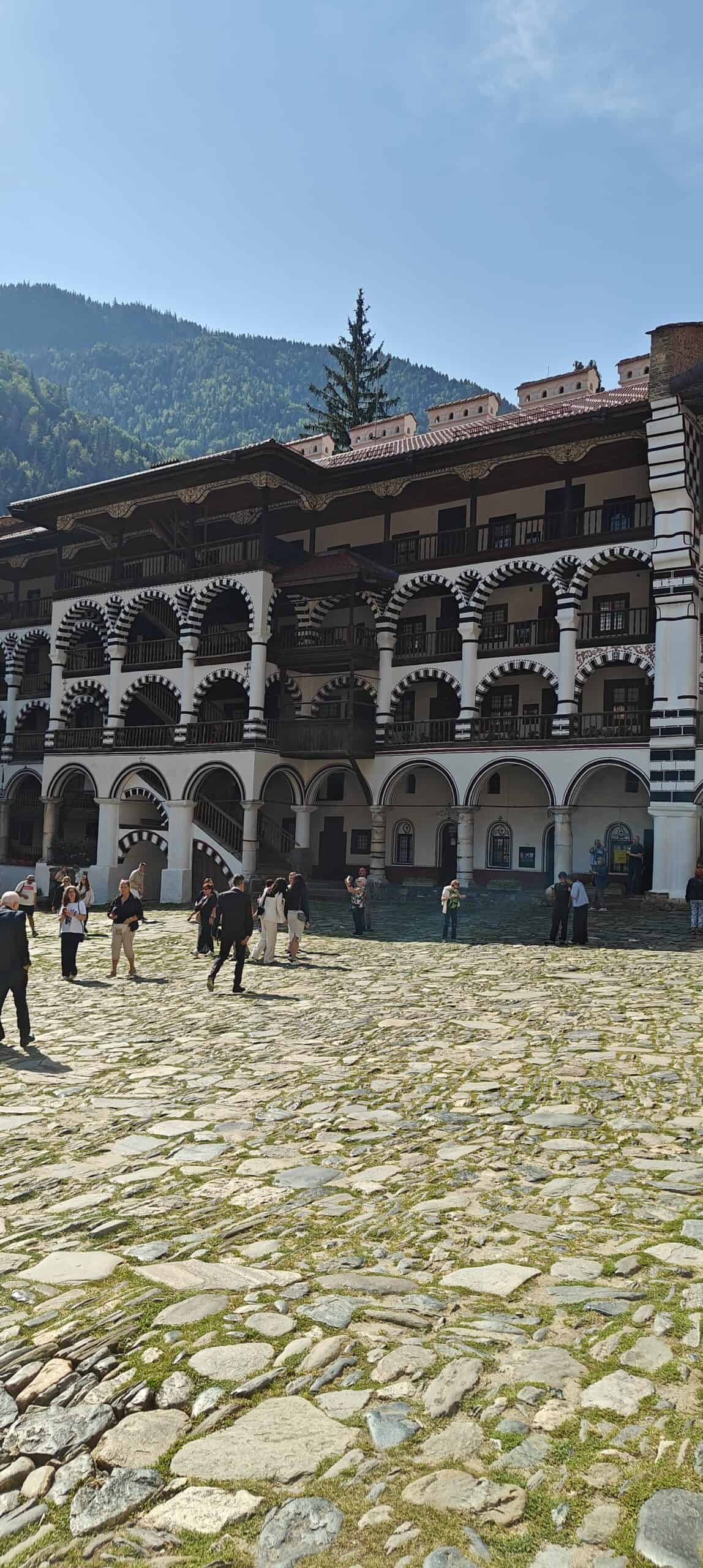
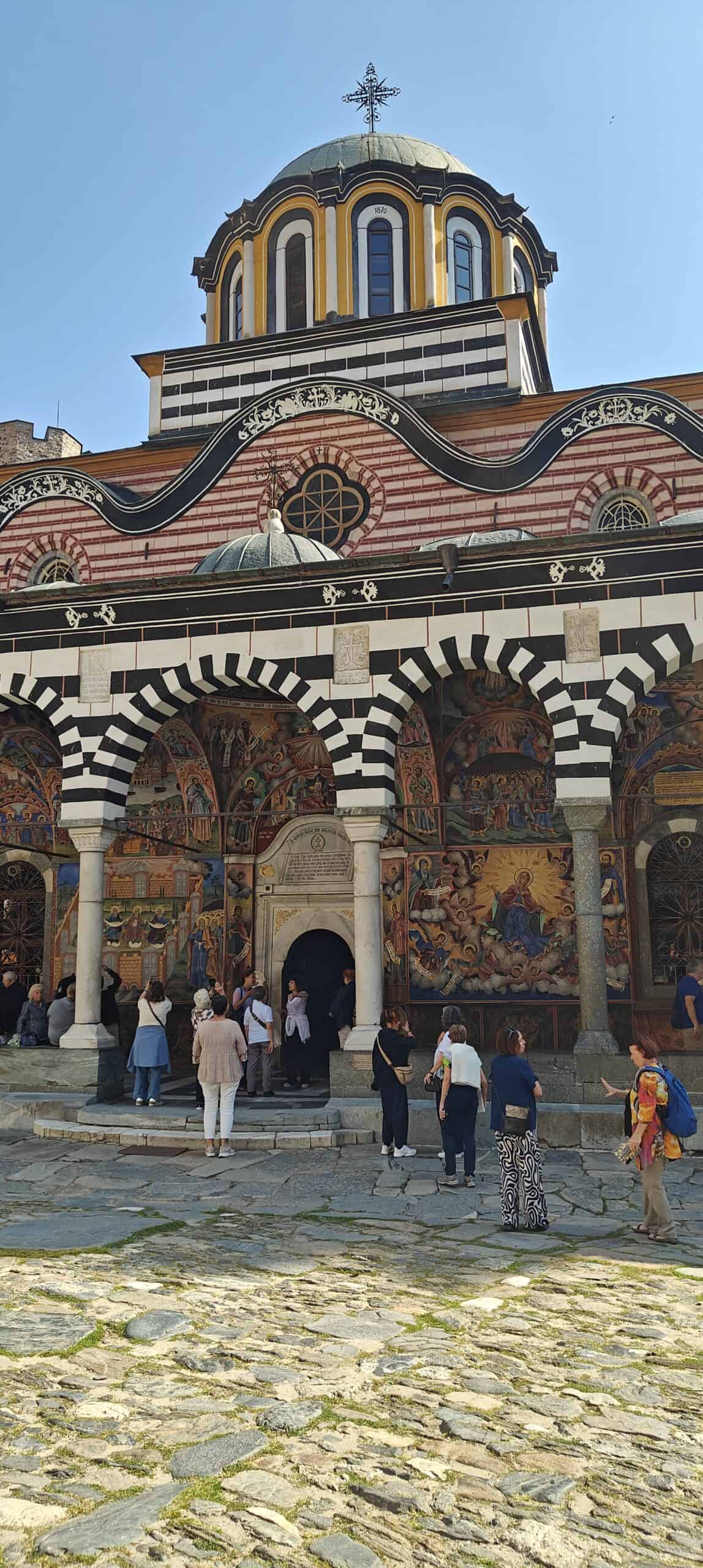
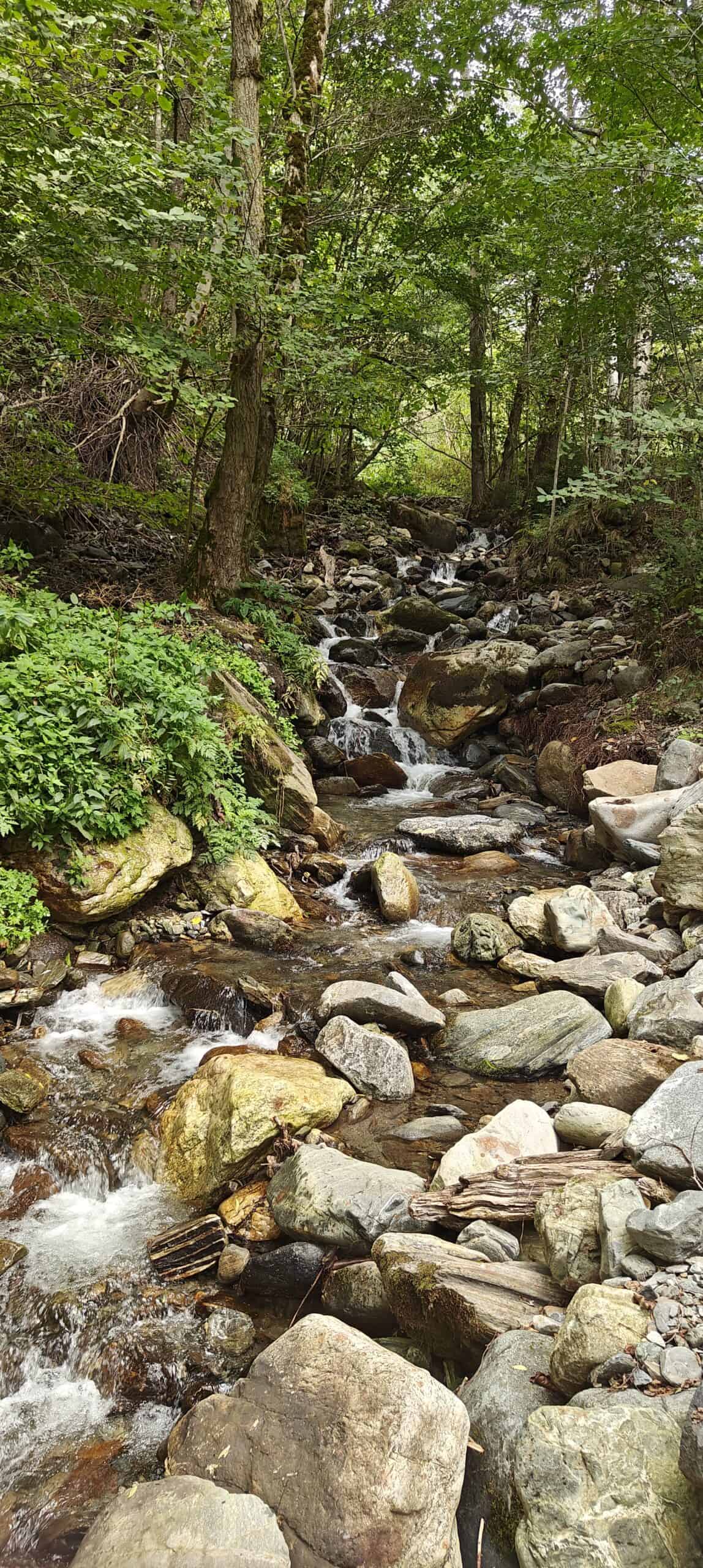
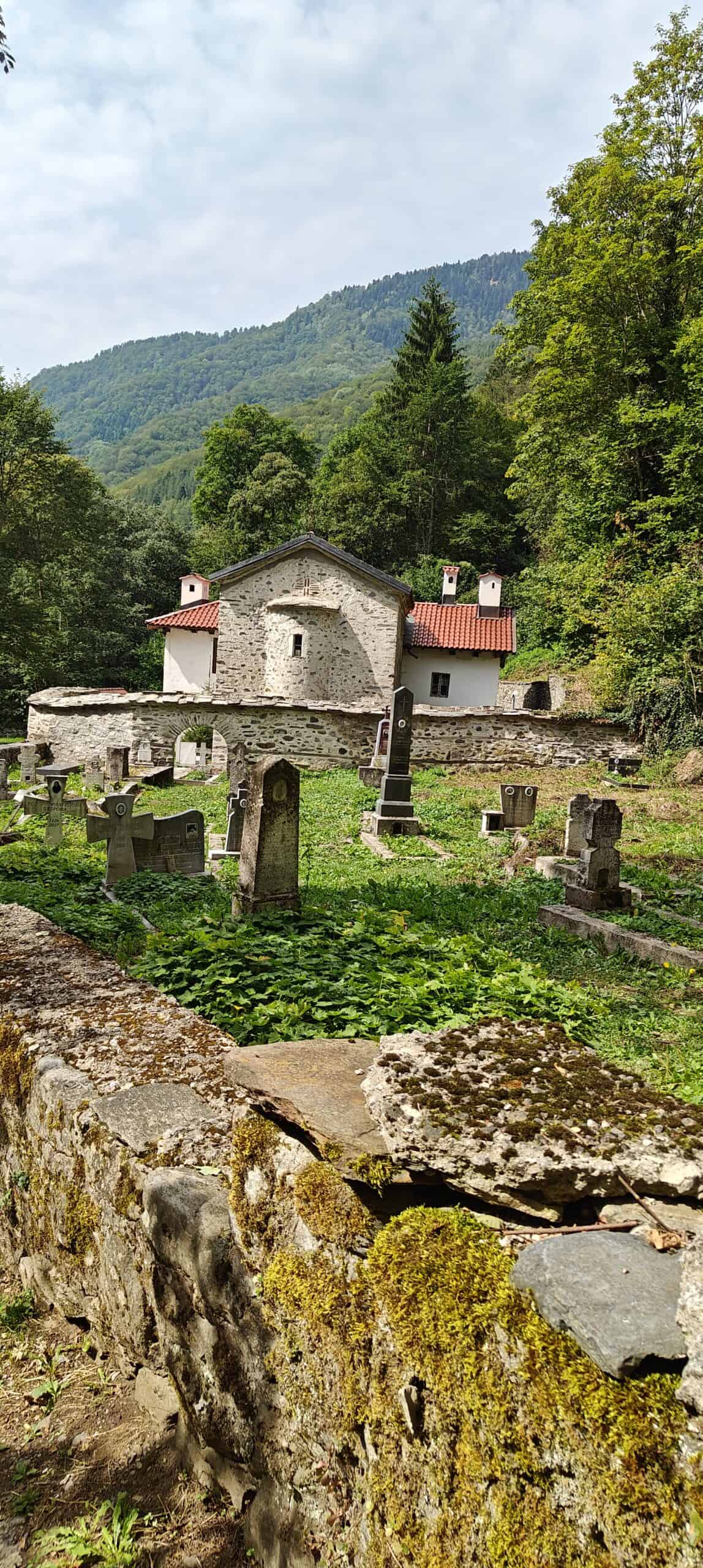
After an adventurous Google Maps route that had sent me down one of those roads designed so that, ideally, no one comes toward you, the climb to the Rila Monastery begins for me. It is Bulgaria’s oldest and most significant monastery, built in the 10th century at an altitude of about 1,200 meters and now a UNESCO World Heritage Site. By this point at the latest, my Rio is occasionally reaching its limits, which I try to accept with my God-given calm—after all, I’m headed to the monastery too. By now, the climb is somehow giving me Madeira vibes. Not just because I’m creeping up the switchbacks—just like I did in the underpowered Fiat Panda from the coliving space—but also because of the densely forested green vegetation on the rocky slopes.
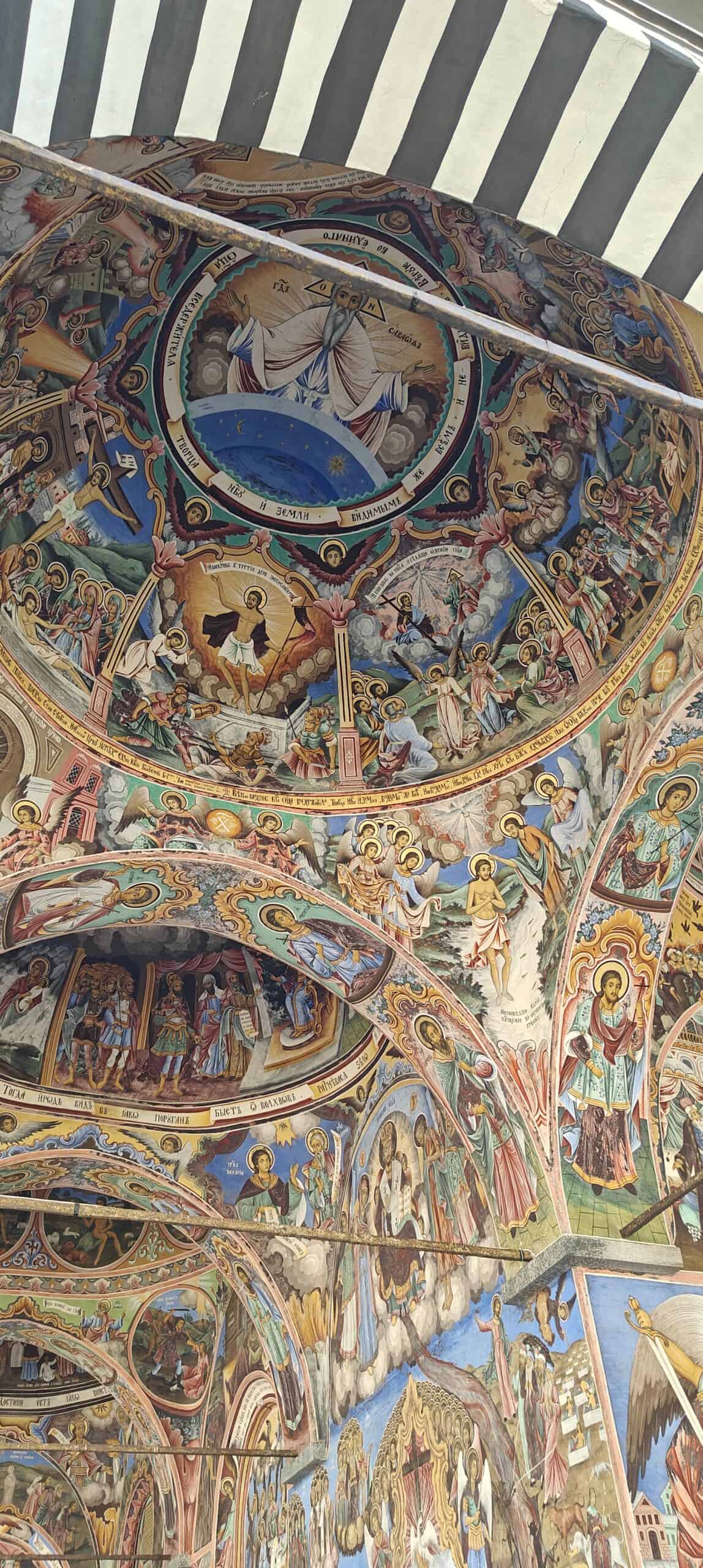
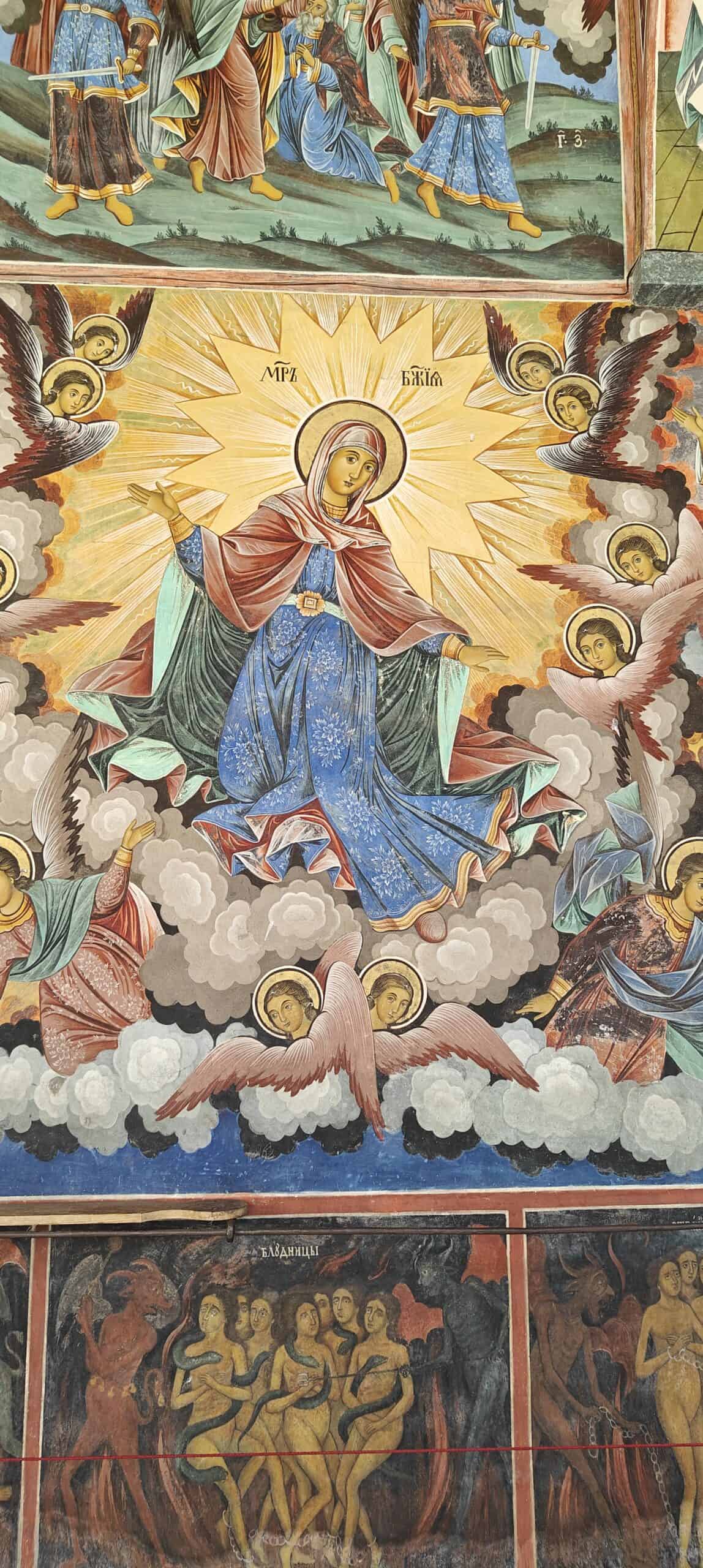
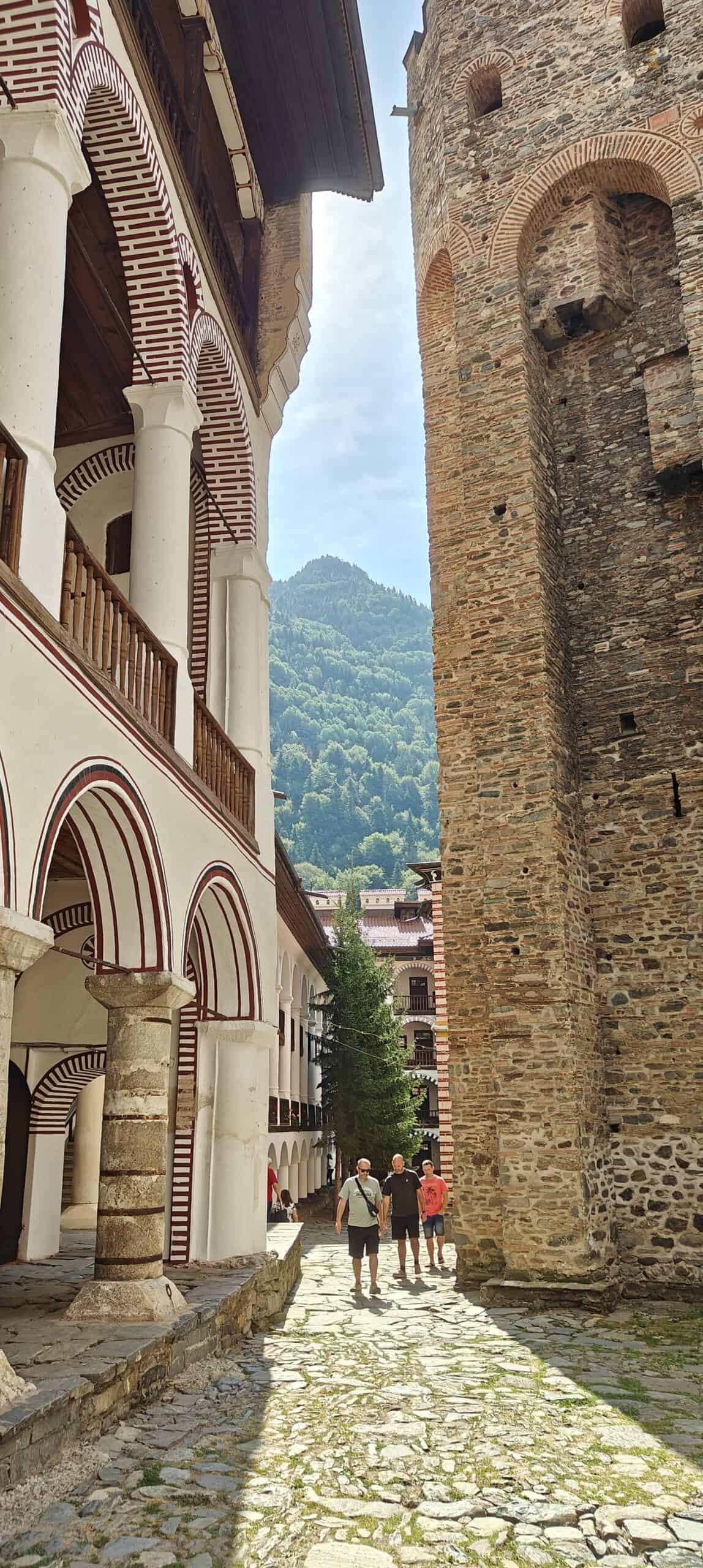
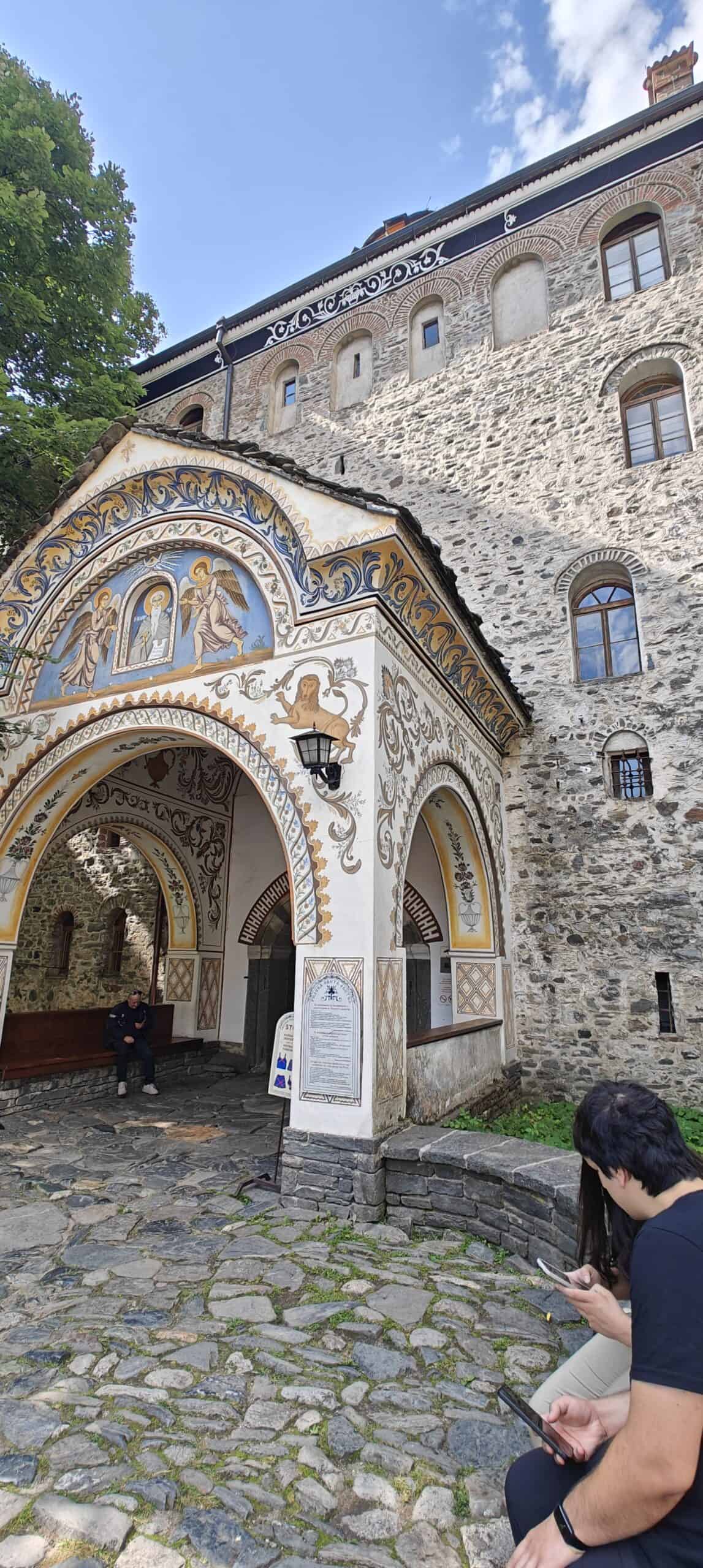
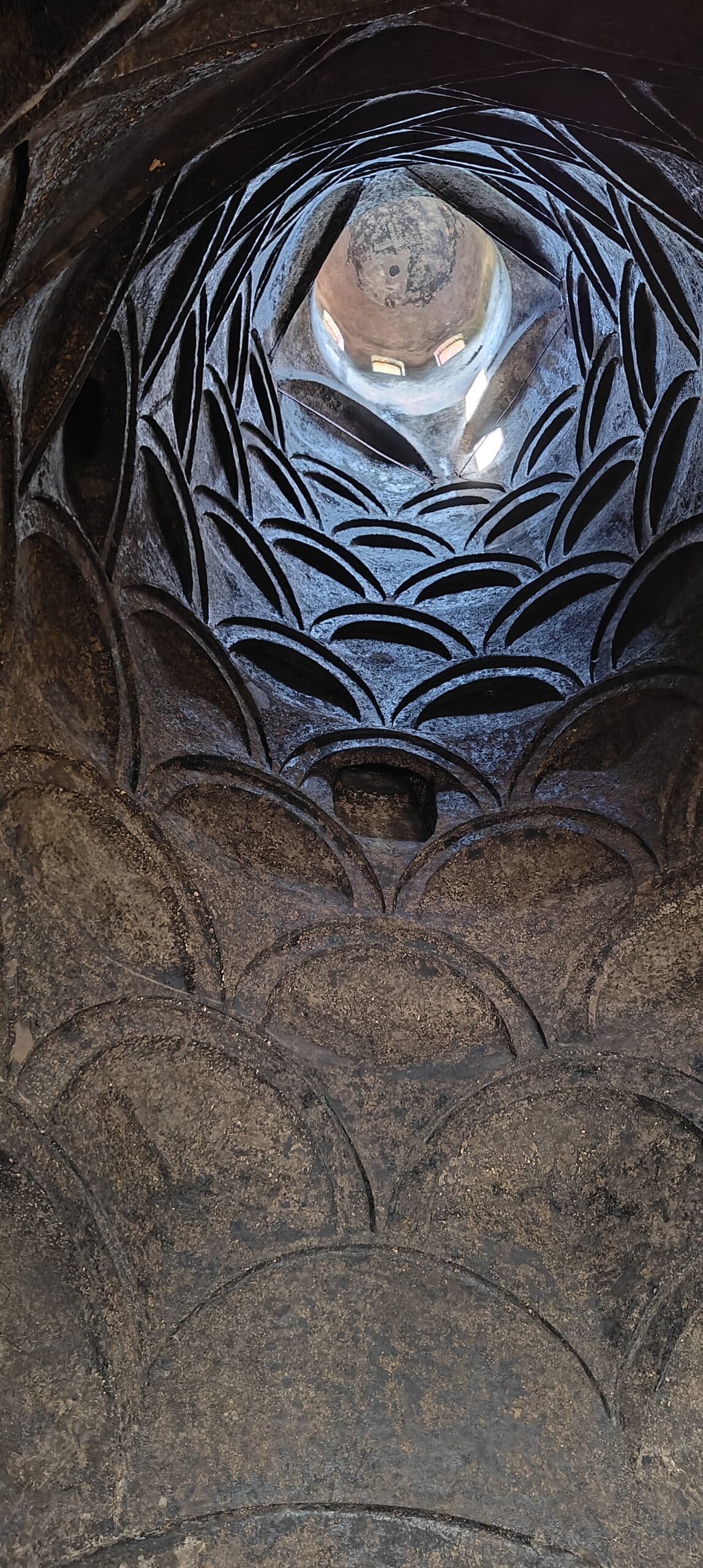
I arrive at the monastery, which is hidden behind thick walls. The best parking spots are already taken. I’m “lucky” to find a spot in a steeply sloping parking lot, whose cobblestones—chunks of rock—were probably quarried by hand when the monastery was built. Even as I’m driving down, I’m already worried about getting back out, but I put off thinking about it until later. A few minutes later, I’m standing in the monastery’s forecourt. The atmosphere suddenly shifts completely—from the hustle and bustle of souvenir shops, restaurants, and tour buses letting their passengers out in front of the monastery to a contemplative silence. It’s not that there are fewer people in the courtyard, but it seems as though everyone is just as impressed by the sight inside as I am. I take photos wherever I’m allowed. Inside the monastery, as in so many churches here, photography is strictly prohibited. But some personal impressions often can’t be captured in pictures anyway. Two and a half hours, a short hike, and a missed meal at the restaurant later, I set off again. After all, Claude had planned my itinerary with a relatively tight schedule.
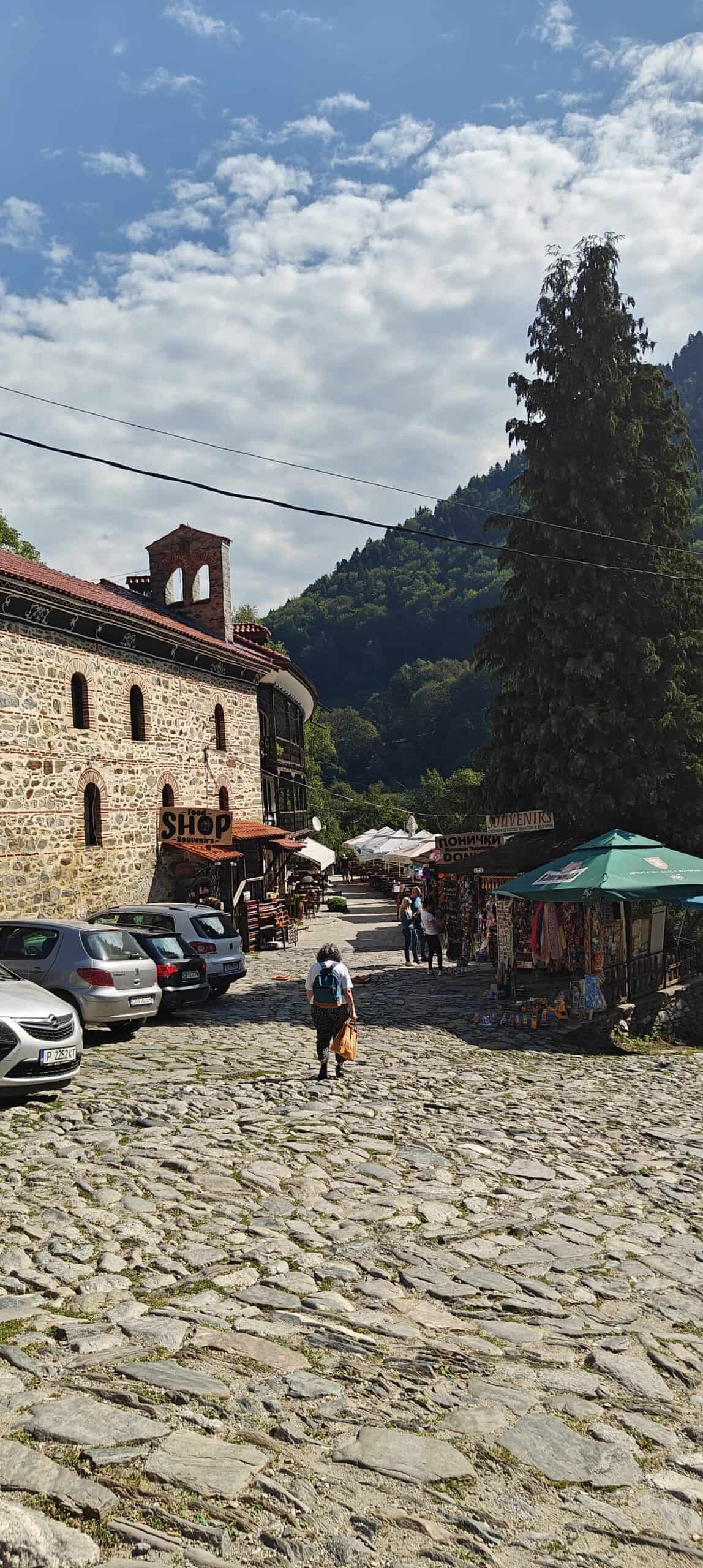
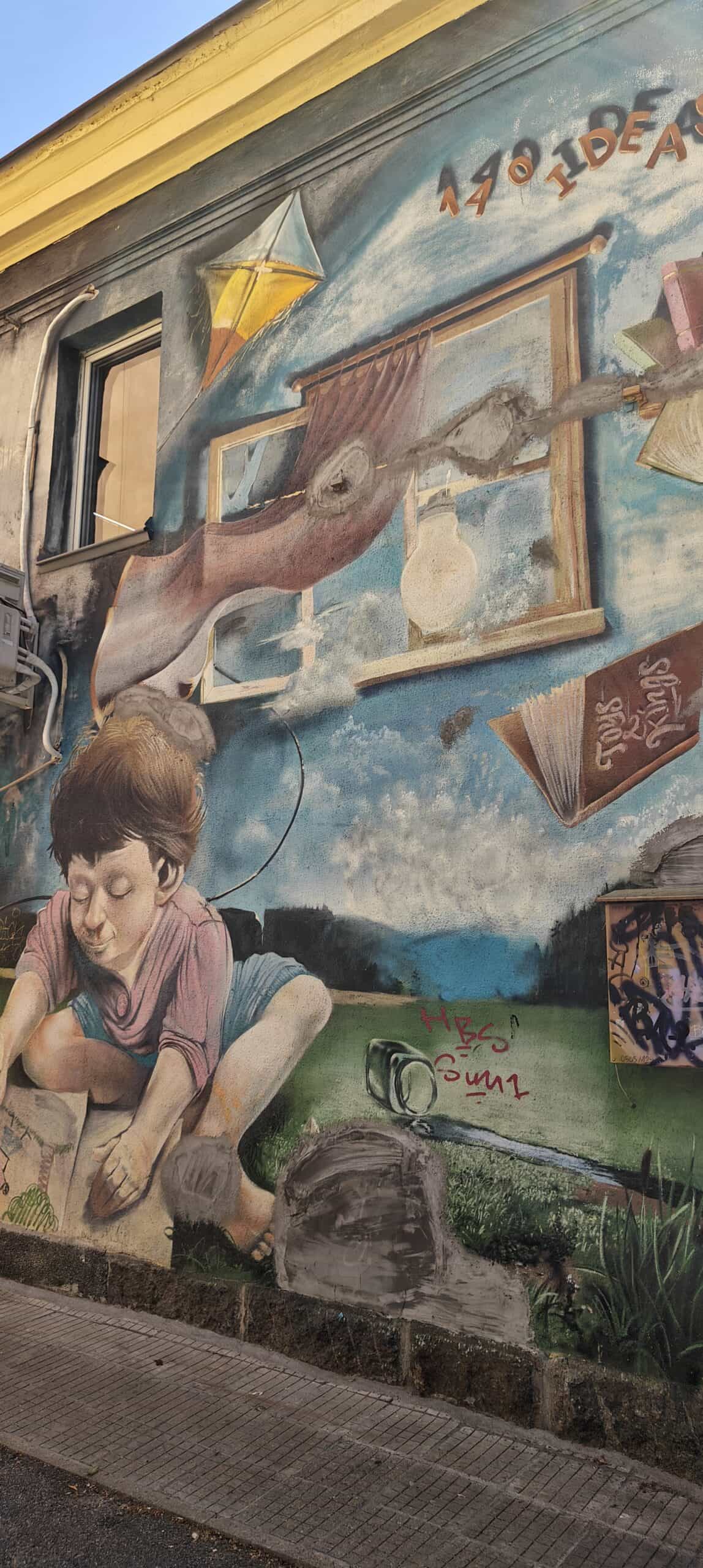
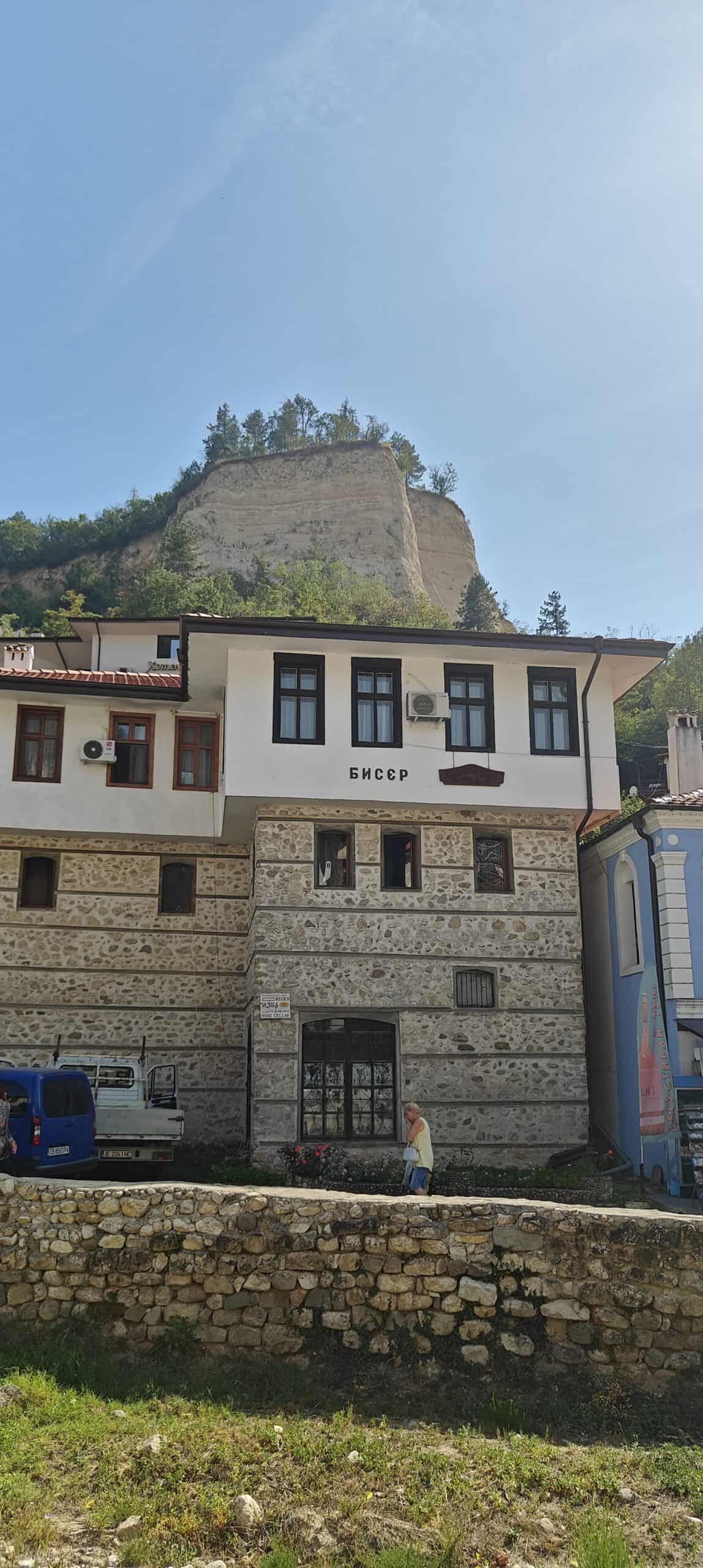
I’m heading on to Melnik. It’s a small mountain town in one of Bulgaria’s largest wine-growing regions—though I don’t realize that until I arrive. While I felt like I was in Madeira just a short while ago, the drive to Melnik suddenly gives me a strange sense of being in Tuscany. Relatively low trees, vineyards as far as the eye can see, and even the houses have a certain Mediterranean feel to them. Once I arrive in Melnik, I’m amazed by the very distinctive architecture—which is why Claude sent me here in the first place. It’s too late now to do anything spectacular. I decide to grab a bite to eat—traditional Balkan cuisine, I’d say: lots of grilled food, eggplant, tomatoes, feta cheese, and garlic. Those are, roughly speaking, the basic ingredients here, and what can I say—I love it. Now that I know I’ve ended up in a wine-growing region, I order a glass to go with my meal. I don’t drink red wine, but I don’t let on just yet. I hold the glass between two fingers, swirl it around like crazy a few times, take a whiff, and take a sip. The bouquet reminds me of red wine. So does the taste. I don’t like it, I think to myself, and order a large draft beer next. The waiter is very nice, quick, and attentive.
The next morning, over breakfast, I figure out my plan for the day. Much like on my trip to Ouarzazate, I hadn’t really thought much about my itinerary beforehand and had instead left it up to Claude. I realize that my next destination, Bansko, is about a 2-hour drive from Melnik. From there, it’s another two hours to Sofia, where I have to return my car that evening. It’s 10:00 a.m. I decide to take a leisurely stroll through Melnik and skip the nearby monastery, a long hike through the sand pyramids, and a visit to the oldest museum house with its large wine cellar. Otherwise, I simply won’t have enough time to see anything of Bansko.
Note to self: Plan more time for fewer places. Period.
I’m back on the road. Before leaving, I tried to pair my cell phone with the radio via Bluetooth. Everything’s in Bulgarian, and once I got into the menu, I pressed every button I could see. Nothing happened. Instead of figuring it out, I switched back to the radio. I’d actually had good experiences with that before. It didn’t take long before I got stuck in stop-and-go traffic. Energy doesn’t broadcast here. By chance, I stumble upon the station “VALENTINA.” The music can best be described as electronic Balkan pop. Balkan pop? Anyone who followed my Corona diary on Facebook back then might remember my former Balkan-pop neighbor. The music sounds somehow familiar to me, and I start moving to it in a way that’s completely out of rhythm. I clap my hands as if I were at a long Balkan wedding. In oncoming traffic, I spot a police car. Hands on the wheel, I think to myself, and limit myself to those out-of-rhythm movements.
I’m just outside Bansko. The terrain is getting more and more mountainous, and while I’d already questioned the Rio’s capabilities on my way to the Rila Monastery, I’m now realizing what “truly mountainous” really means. Impatient Bulgarians whiz past me, seemingly oblivious to both the incline and speed limits. I’d already noticed on the highway that some drivers are very impatient and, when in doubt, simply pass on the far right before swerving back to the far left. The area turns out to be a large ski region, and I’m glad I’m not here in the winter. In any case, I don’t have snow chains on the car, and my outfit certainly isn’t suited for a ski resort.
That's fine with me.
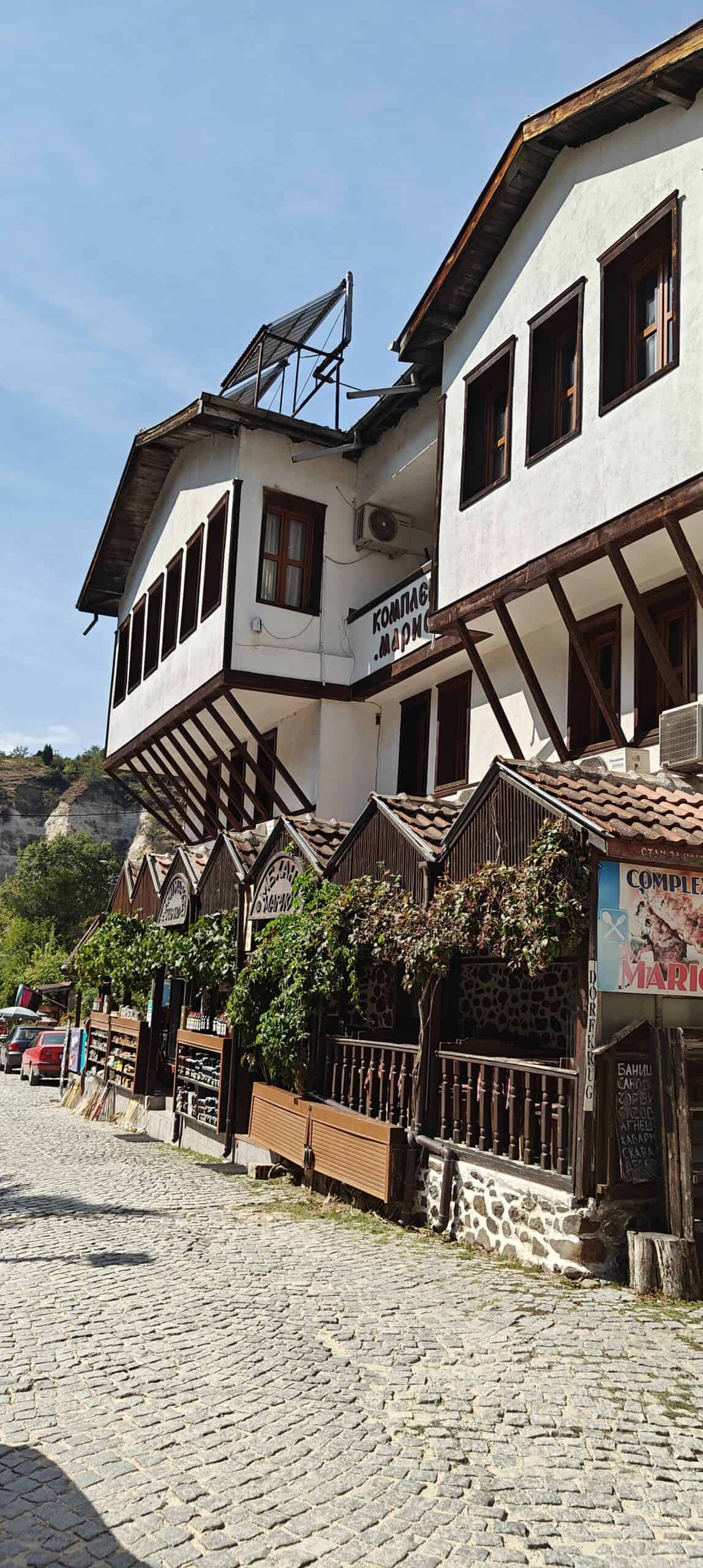
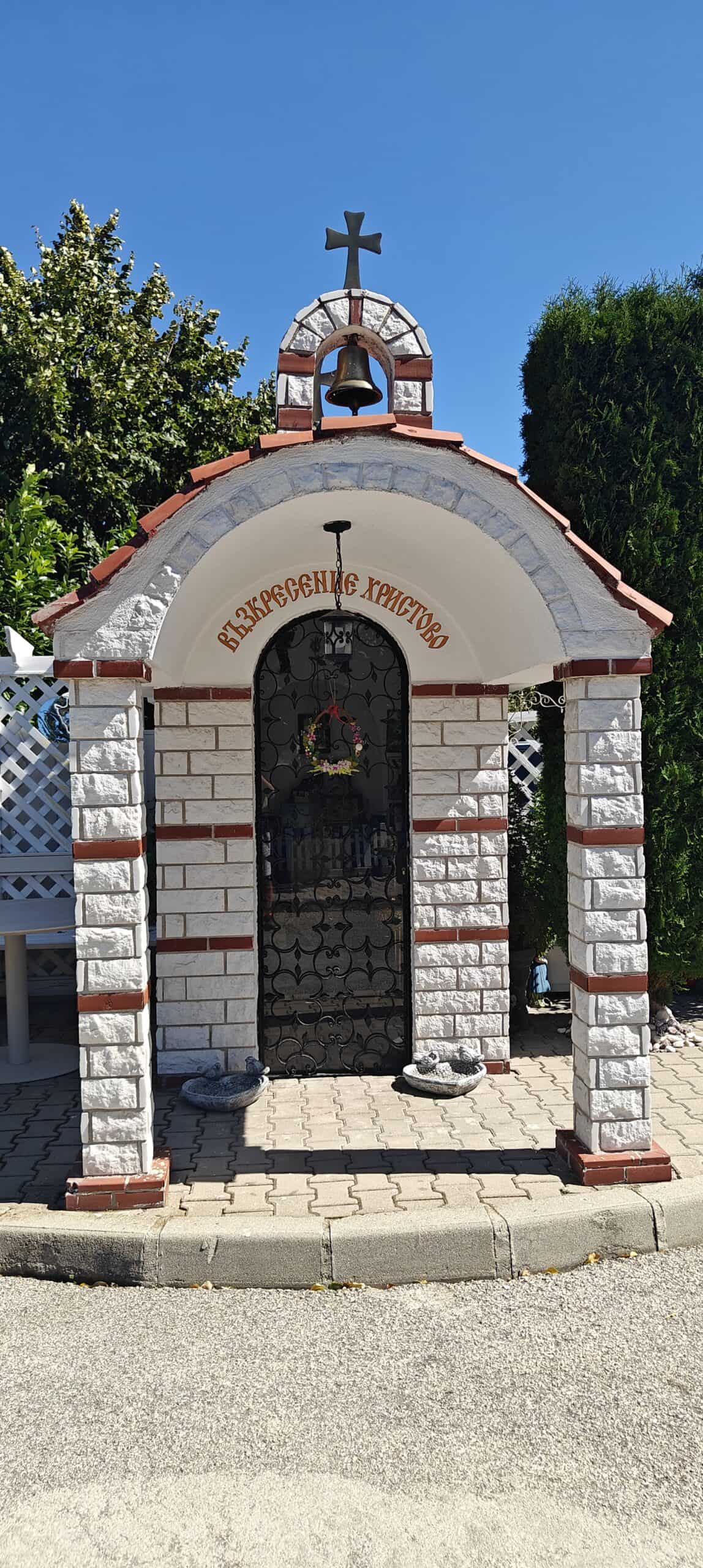
Upon arriving in Bansko, I get out of the car. The wind is howling around my ears as if I were standing on a mountaintop. Yet I’m only at 1,000 meters—even lower than the Rila Monastery, where there wasn’t even a gentle breeze. I walk toward the city center. The further I venture into the heart of the city, turning left and right into the narrow alleys and looking around, the more I realize just how beautiful it is here. Here, too, everyone is so friendly and courteous that I’m now convinced Sofia must have been an anomaly.
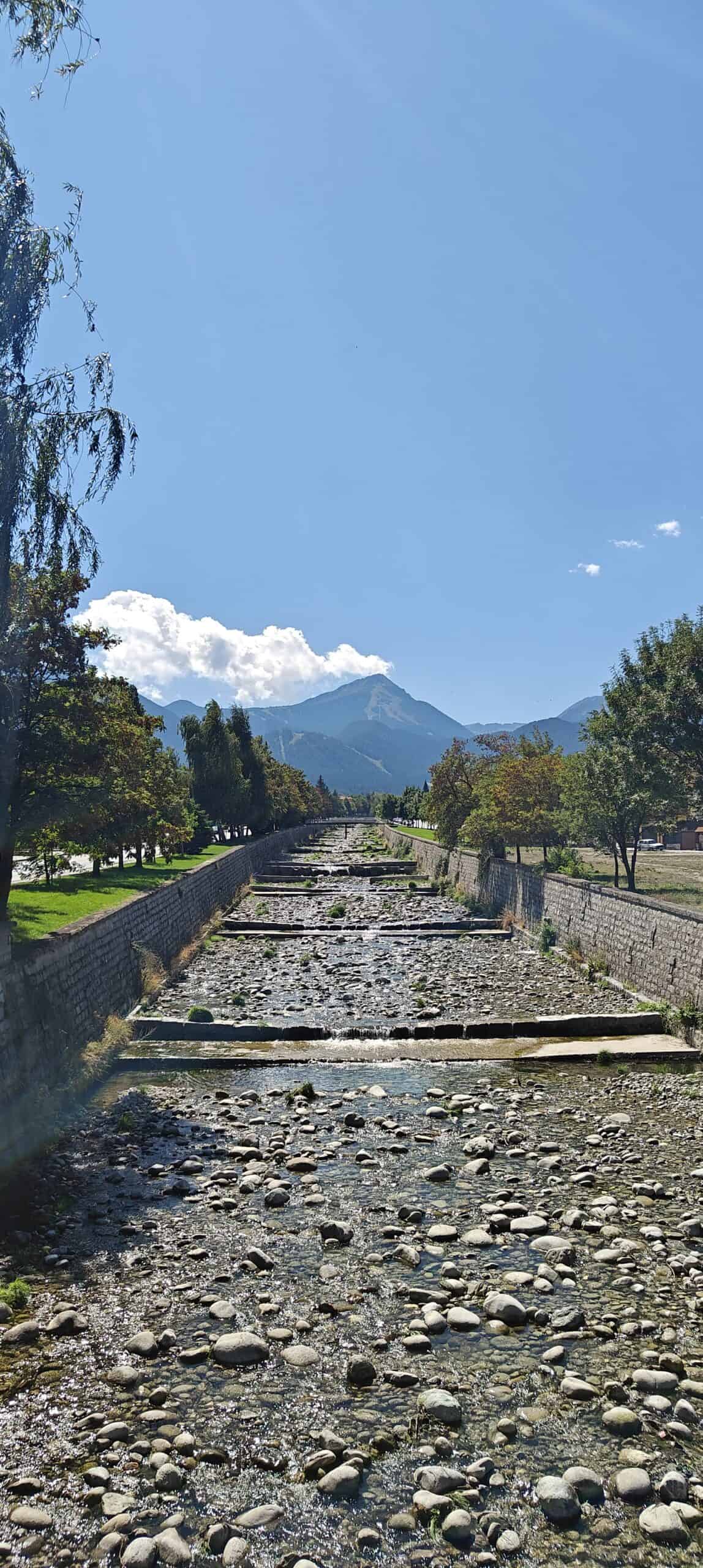
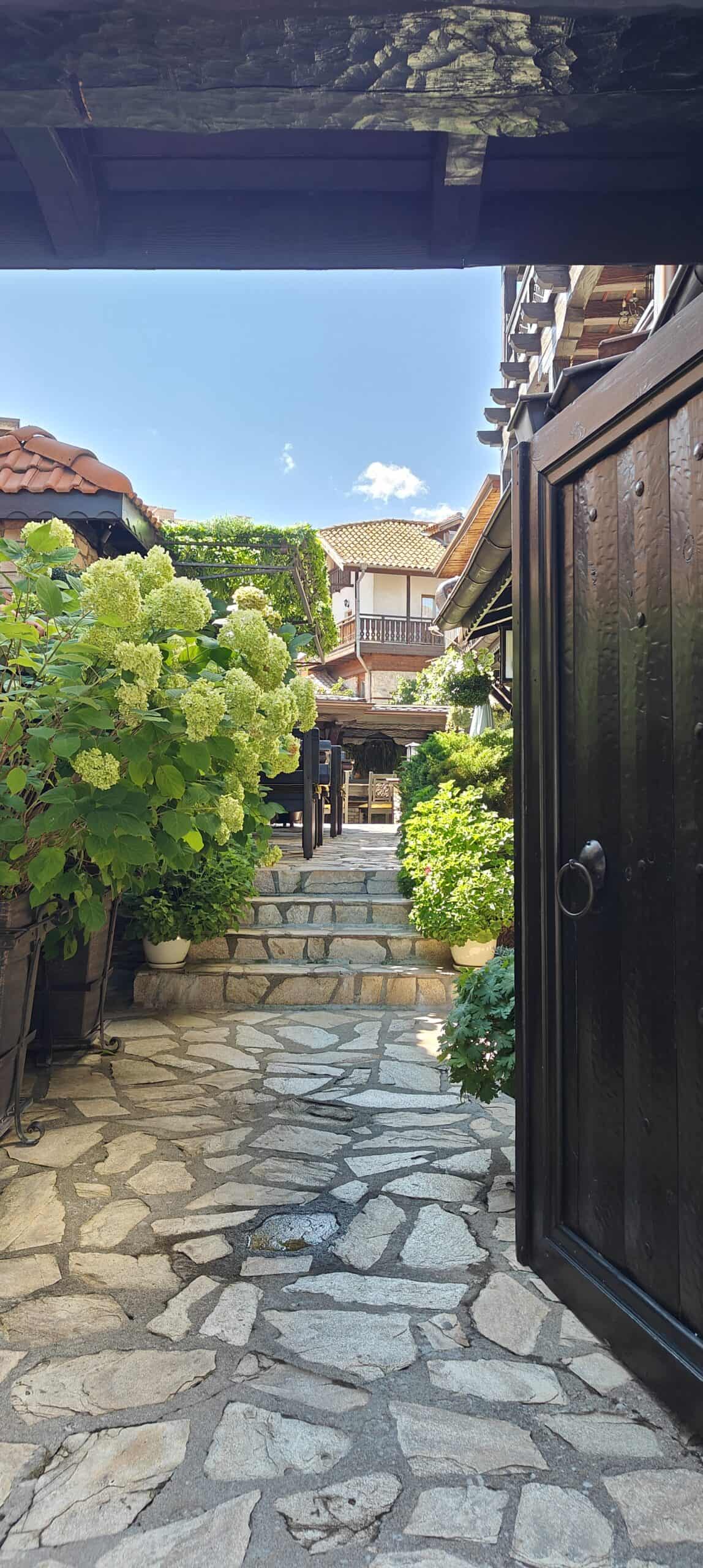
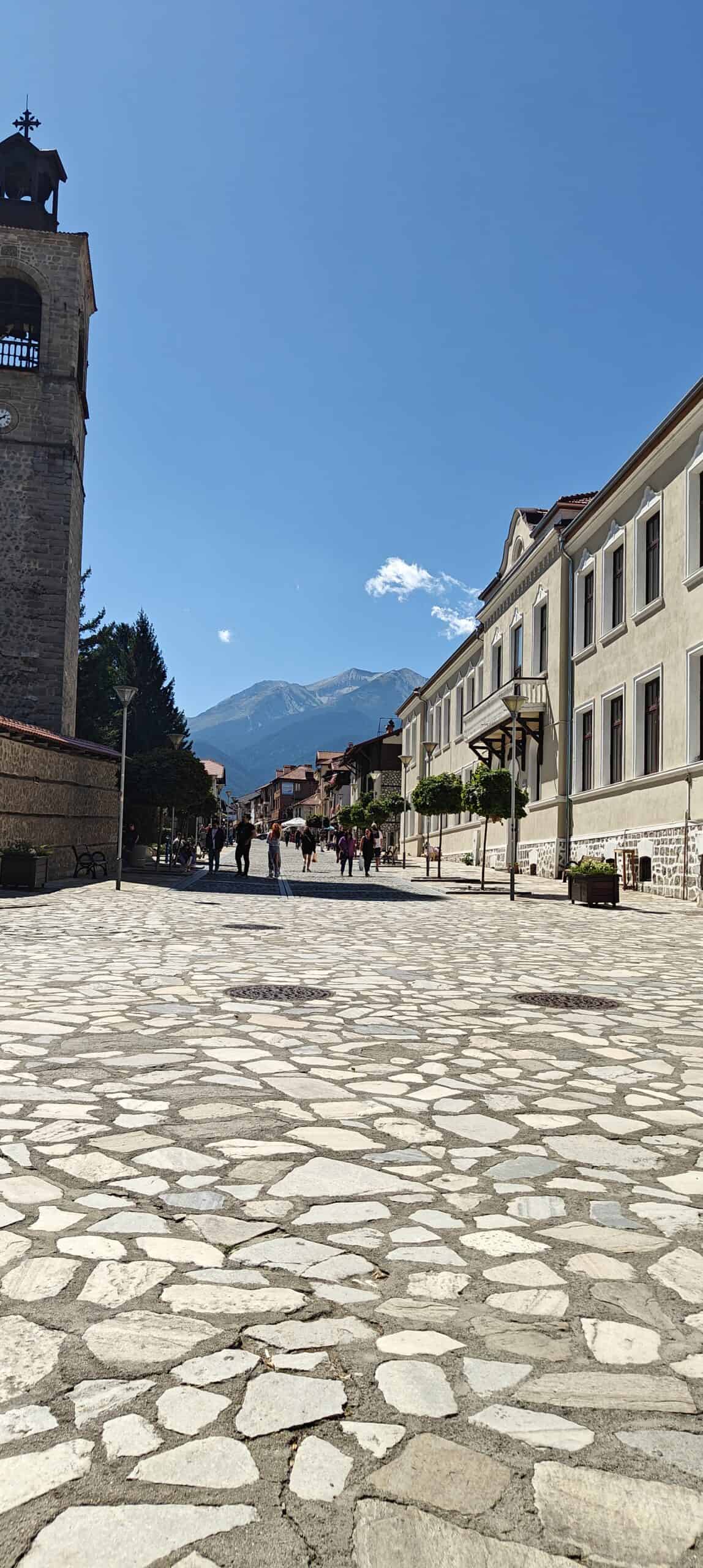
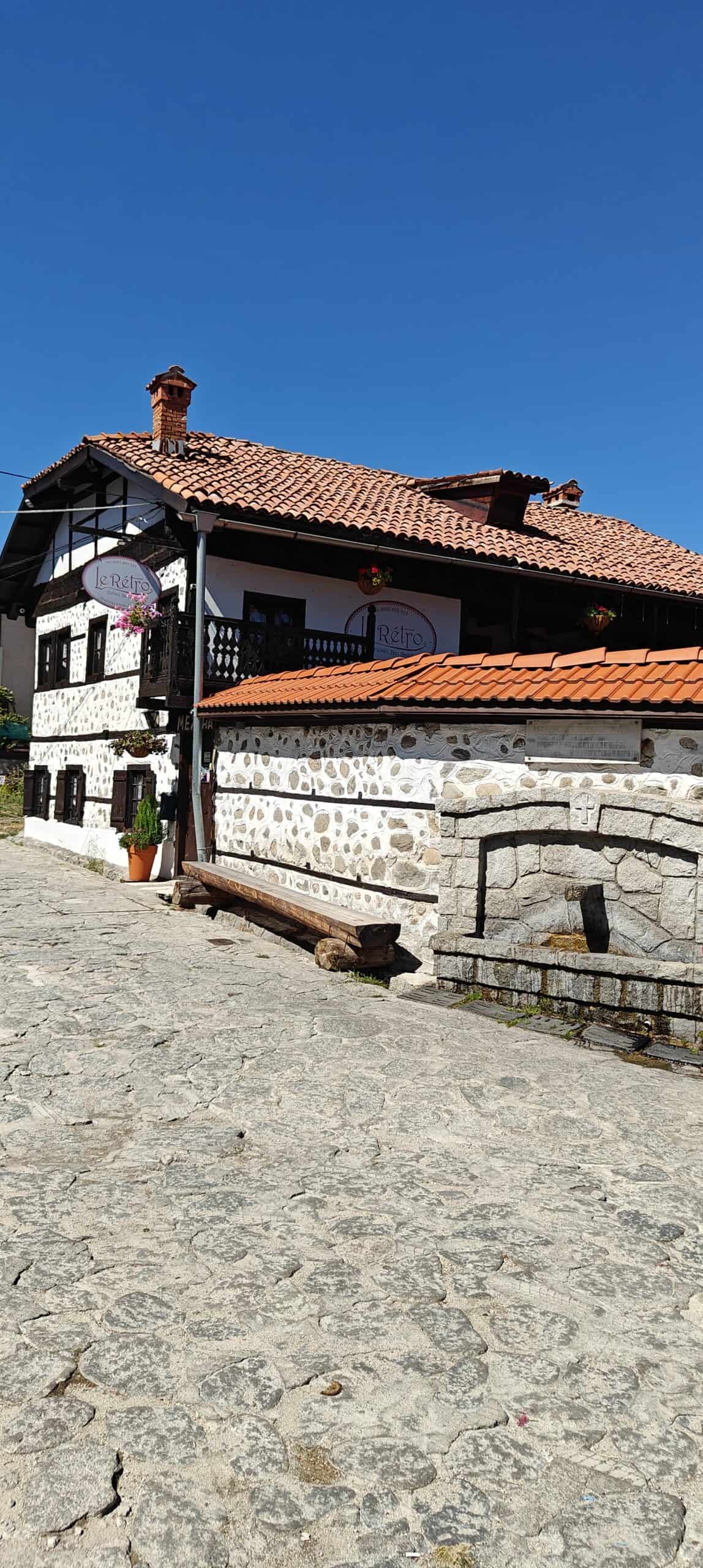
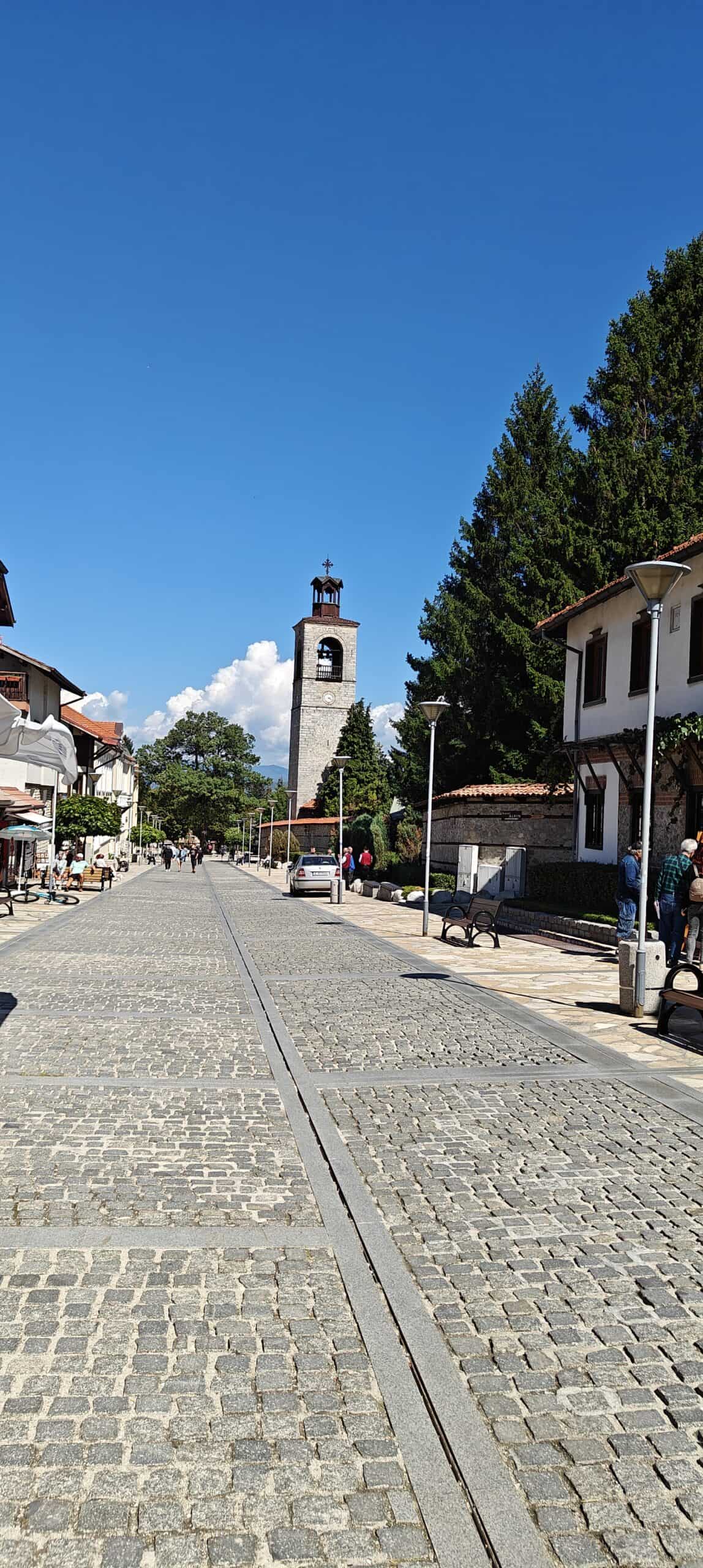
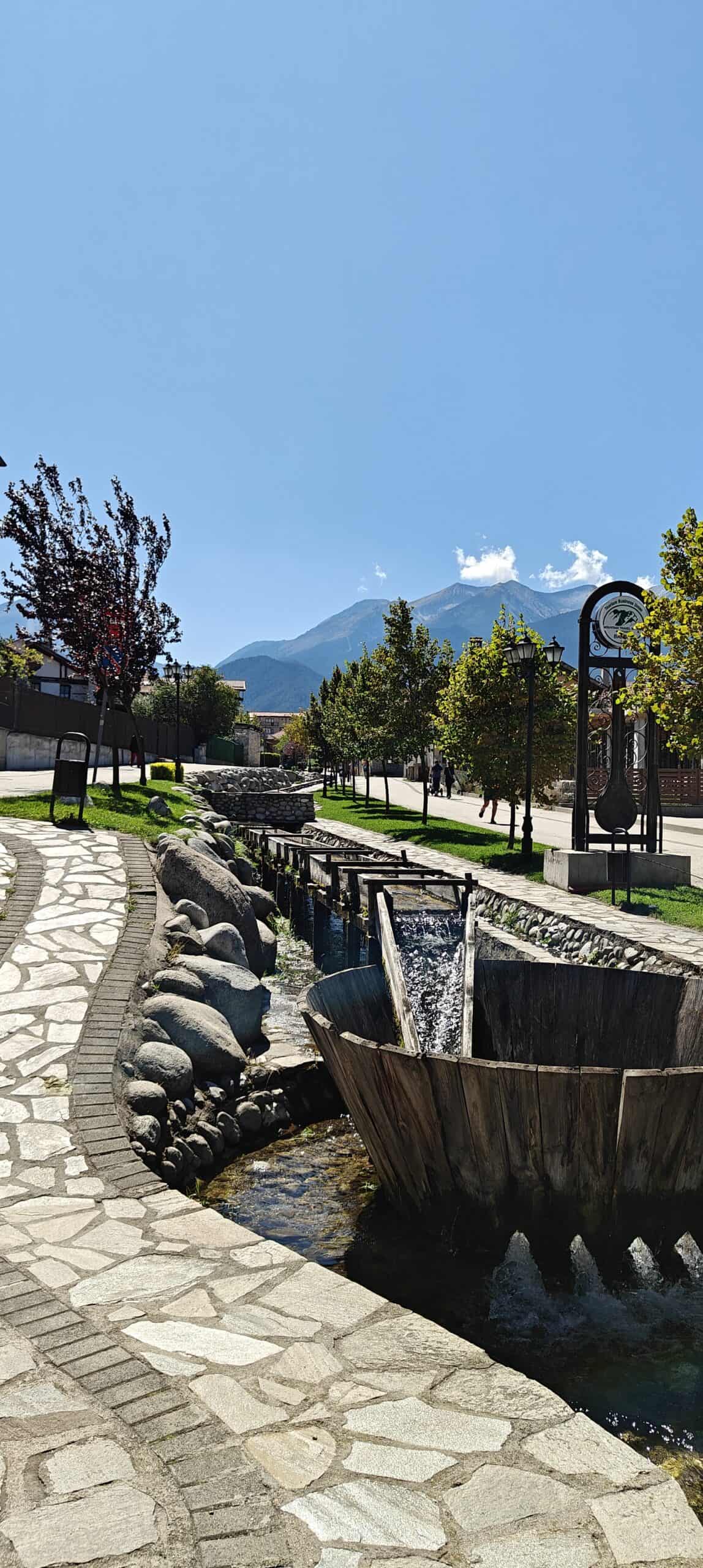
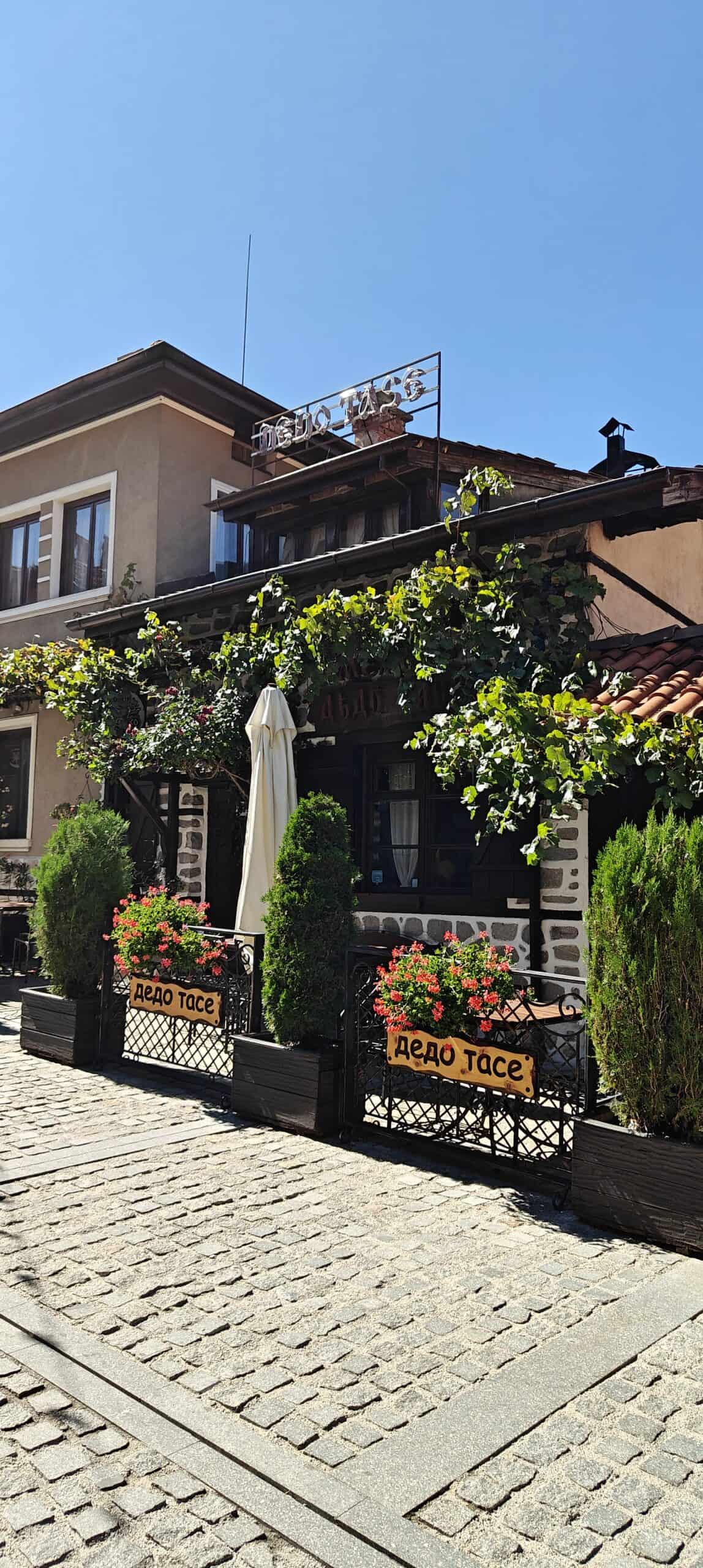
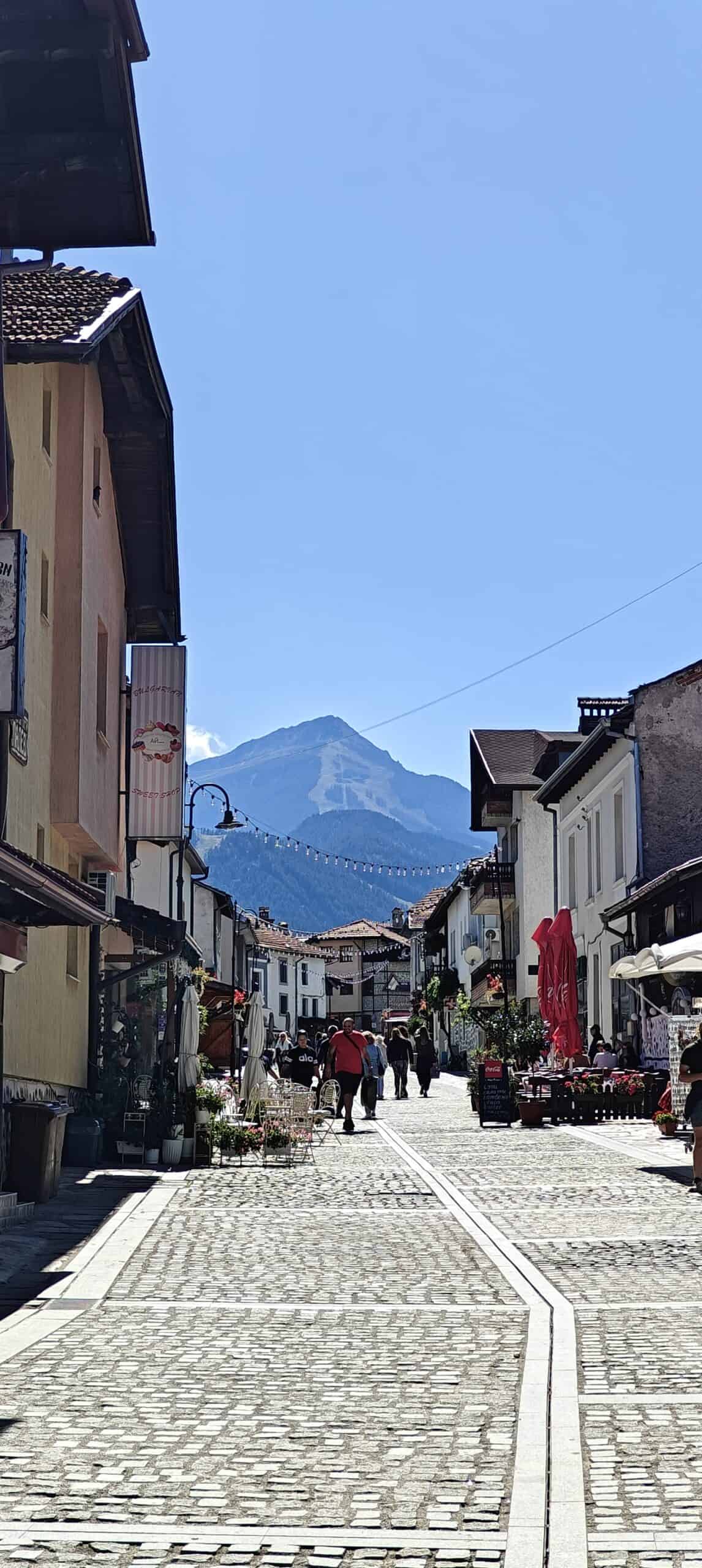
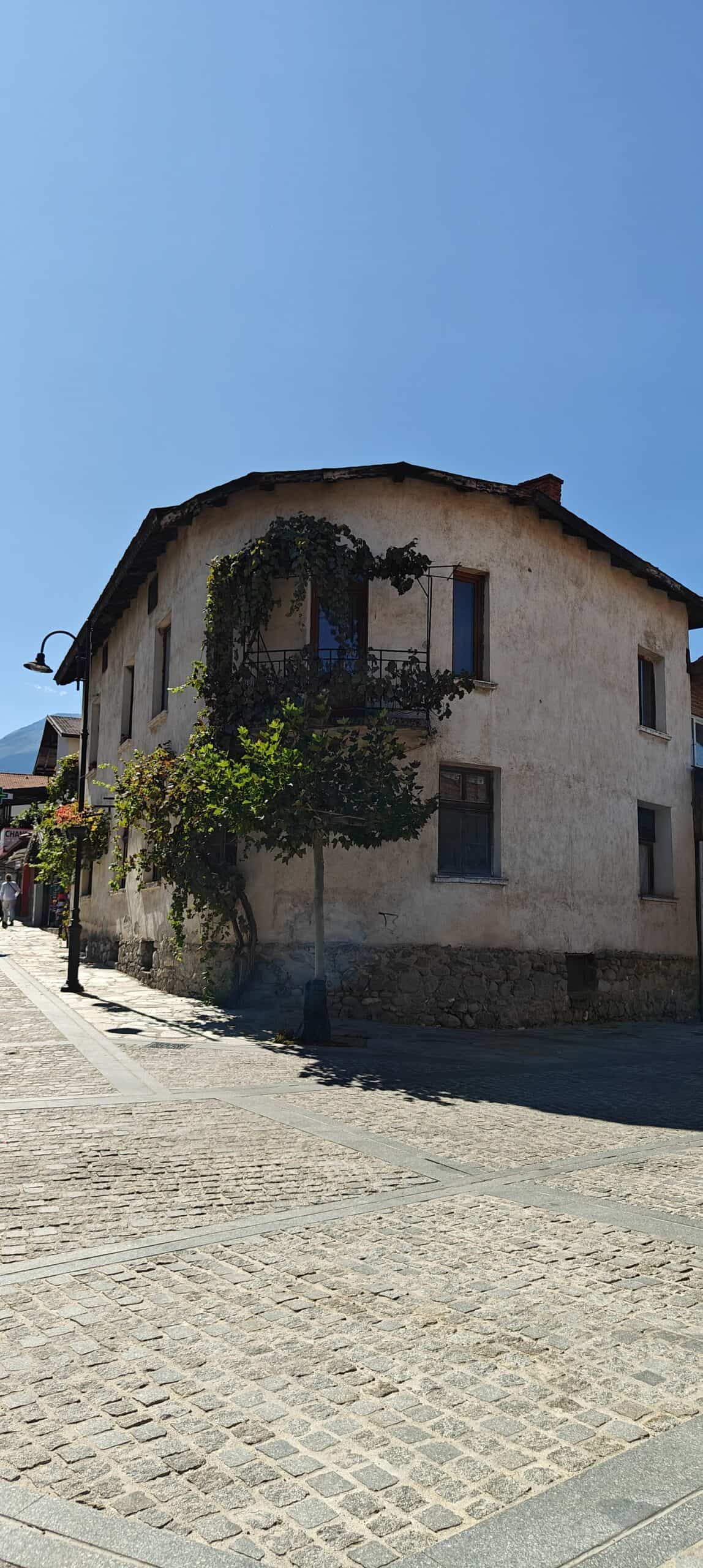
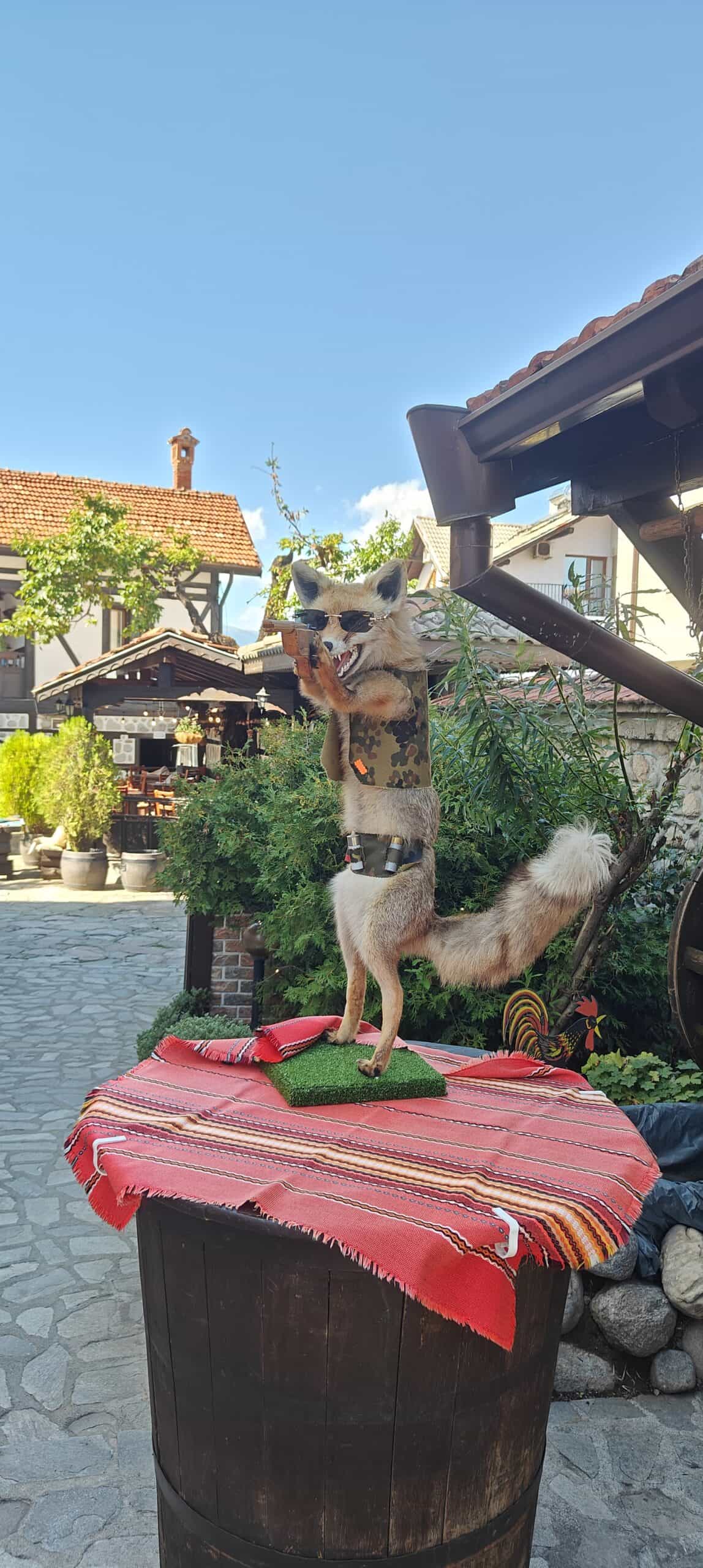
If only I had more time.
It’s enough time for a long walk, an unexpectedly delicious midday snack, two cappuccinos, and a family-sized slice of Napoleon cake before I slowly have to head back to the car. As I stroll back, I reflect on just how beautiful Bulgaria really is. I’ve fallen in love with this country, knowing full well that there’s still so much more to see. If I were ever to truly fall in love with another person again, I’d probably wish for exactly the same thing.
I wouldn't know anything about her or expect anything from her, and yet it would feel as if I had found everything...