People often say that plans change. I can confirm that. Instead of continuing on to Slovenia from the Baltics—as I’d originally planned—I’m writing to you from Sofia. After a long weekend in Bucharest, I moved on to Sofia, where I’ll be spending September. I can’t really say exactly why I ended up there of all places. I indirectly took advice from a client who lives and works here in Sofia. Somehow it sounded exciting, and now I’m looking forward to exploring one of the oldest countries in Europe.
Stage 1: Fun in Tallinn
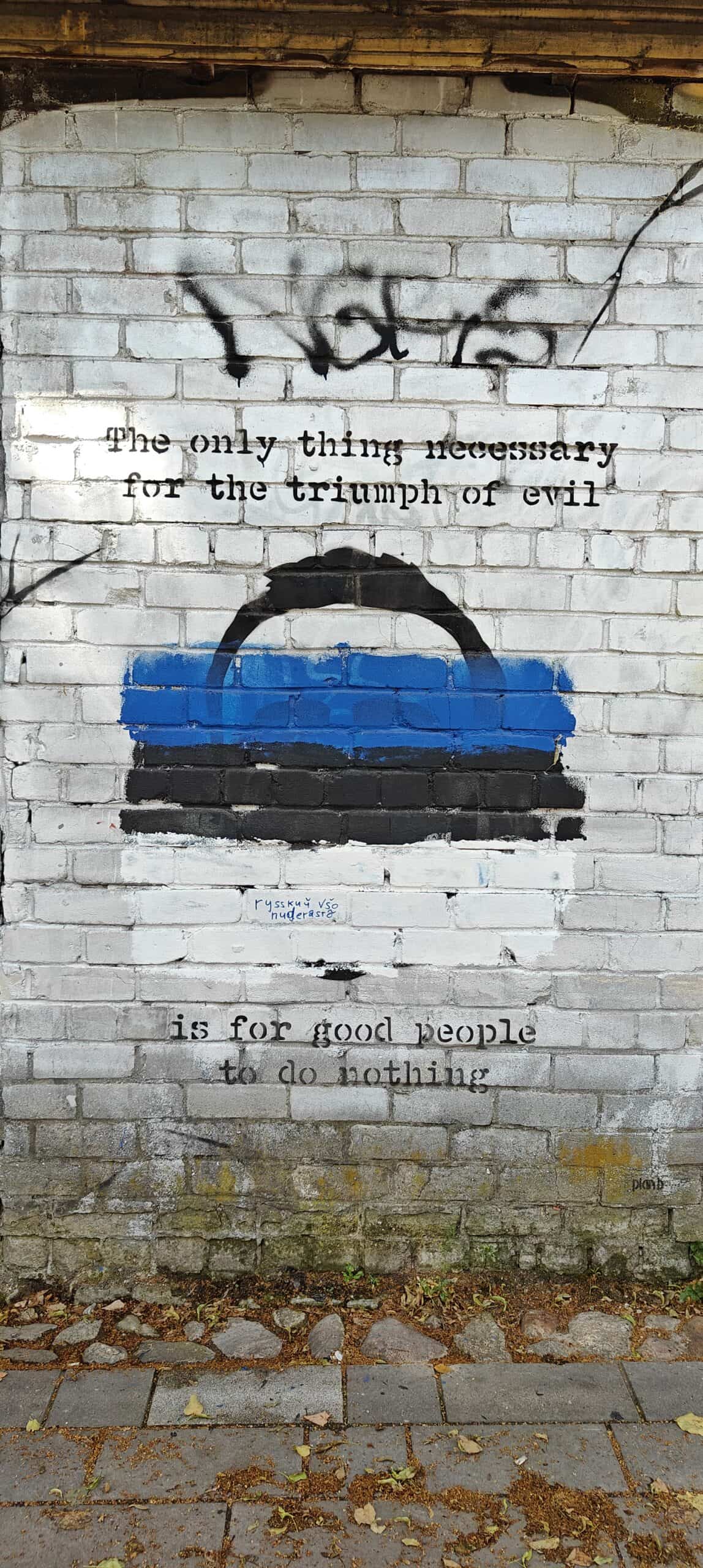
Now that a new chapter of my journey has begun, it’s high time for an update on my 1.5 months in the Baltic States. To get one thing out of the way right away: The fact that we always lump all three countries together into one large region—the Baltic States—doesn’t do justice to either the people or the individual countries. Sure, Estonia, Latvia, and Lithuania have things in common, but they’re at least just as different. That’s why, in my opinion, the term “BalTRIkum” best captures the whole picture if you really want to lump all three together.
My trip was set to begin in Estonia—in Tallinn, to be exact. This city is a wild mix of Lübeck’s Old Town, Swedish wooden facades, and Soviet concrete monstrosities, just as it says on page 13 of the textbook. My Airbnb is in Kalamaja, a former rough neighborhood that has blossomed into a hipster district. From here, it feels like everything interesting is within a 20-minute walk, which also says something about the size of the city.
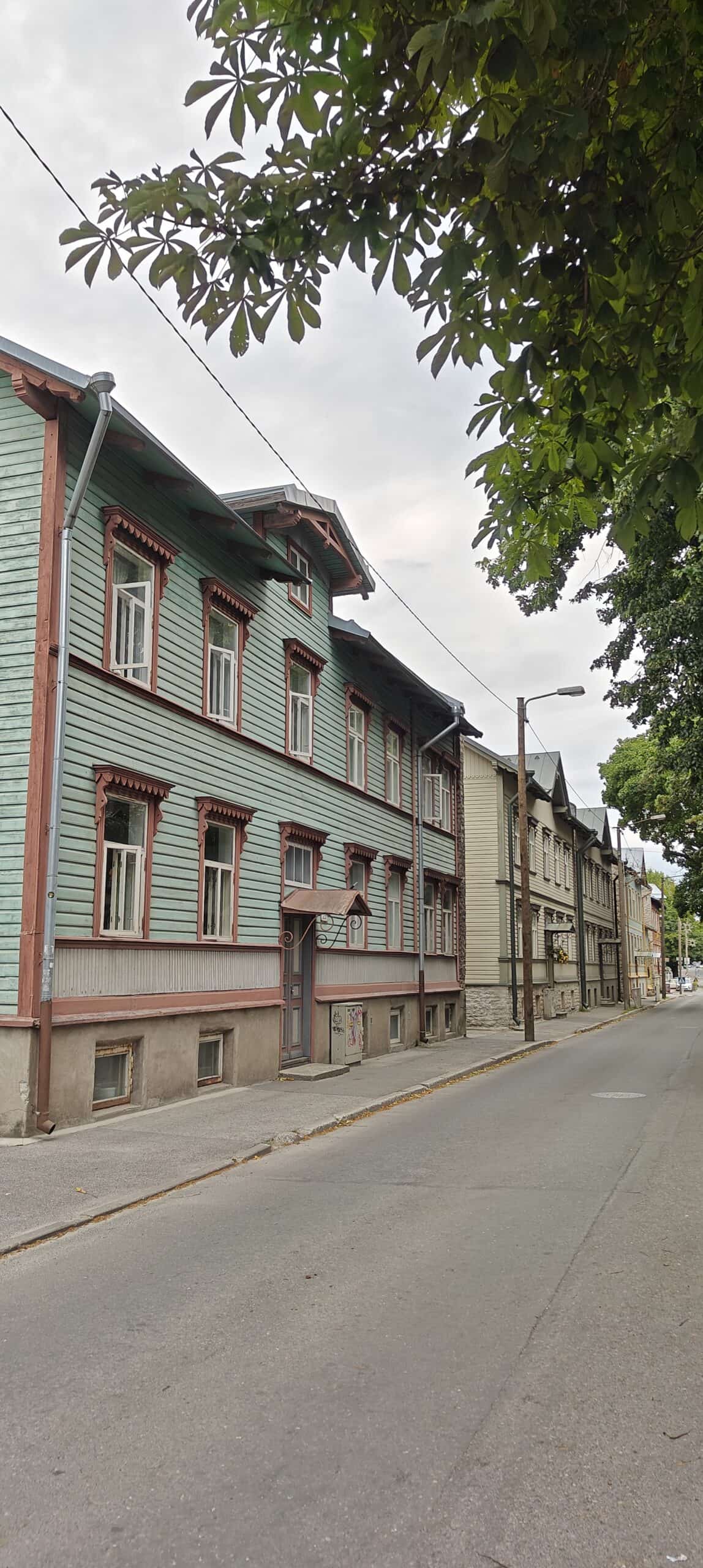
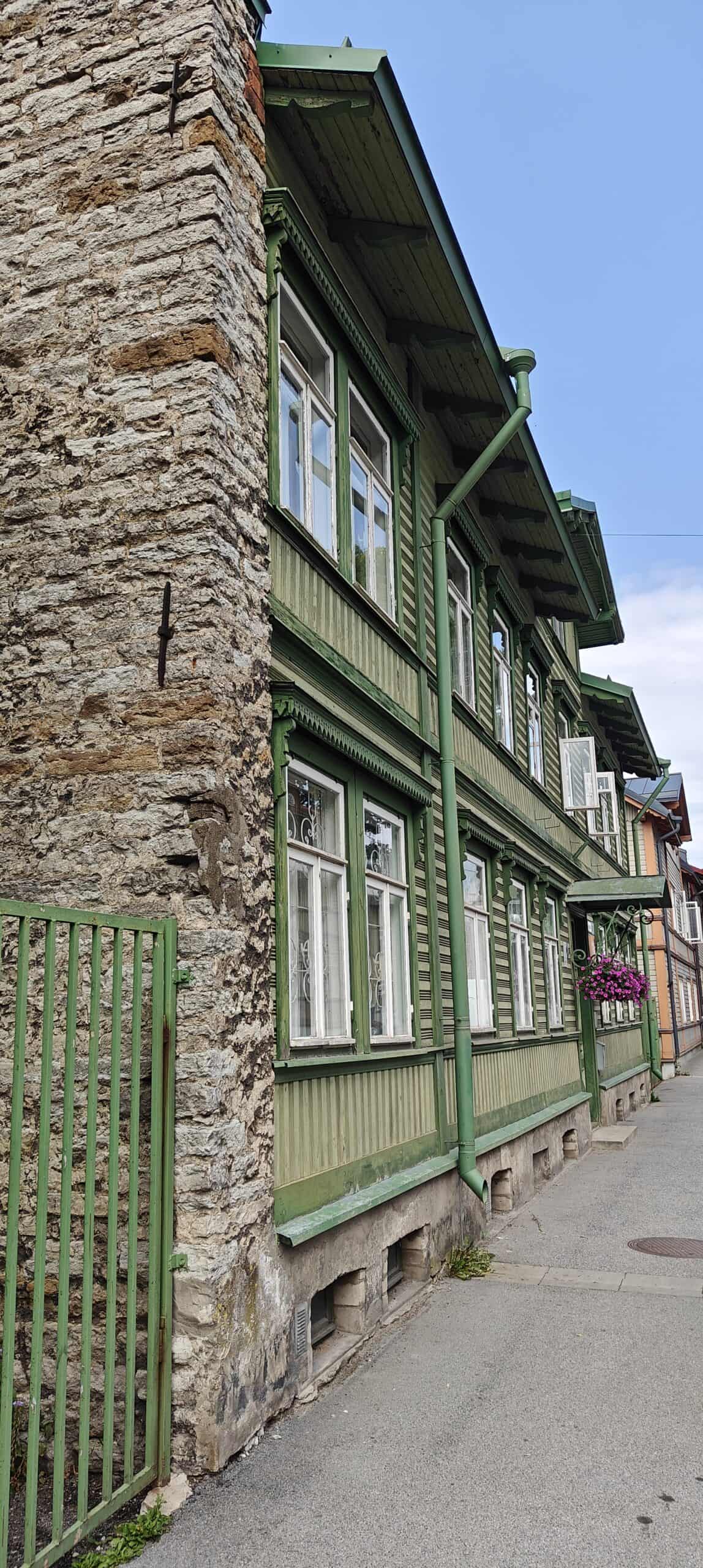
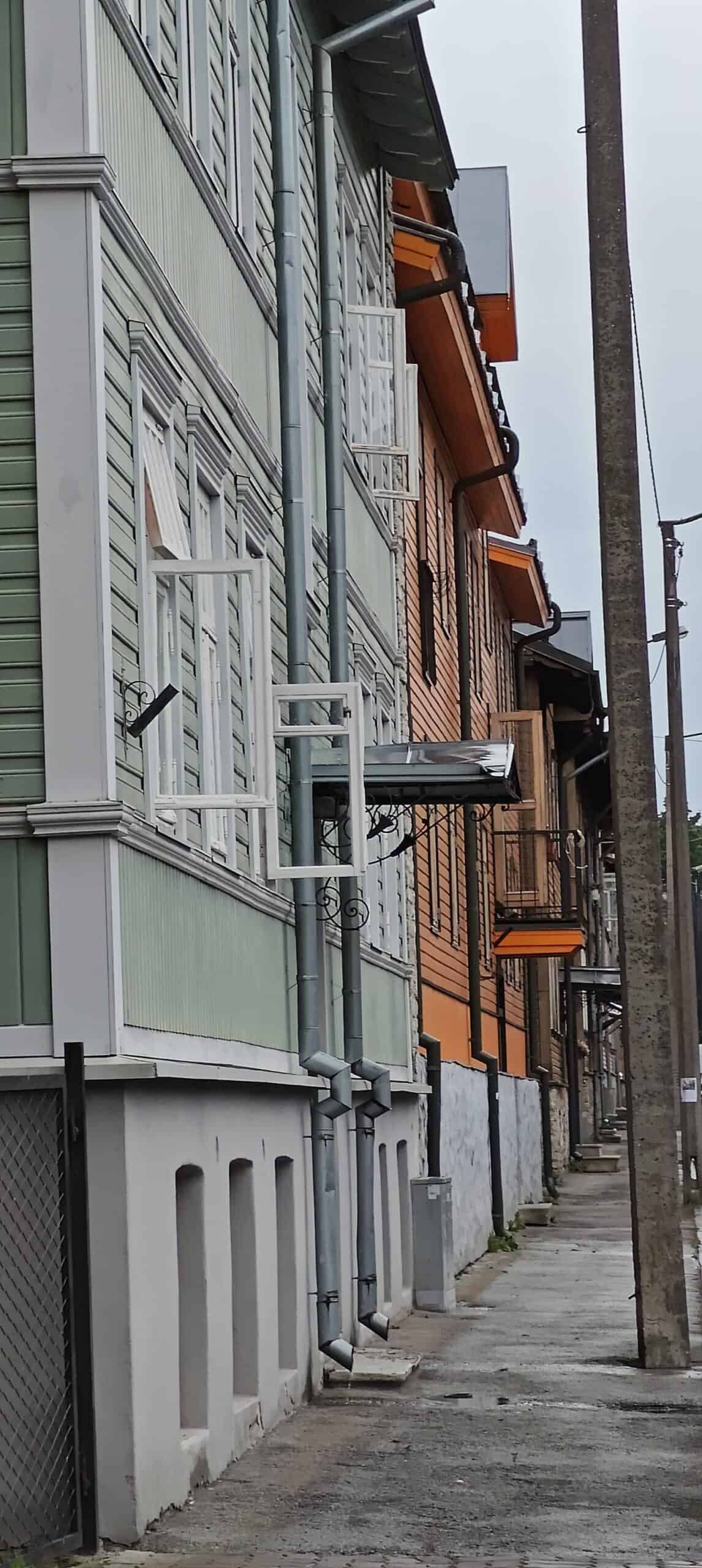
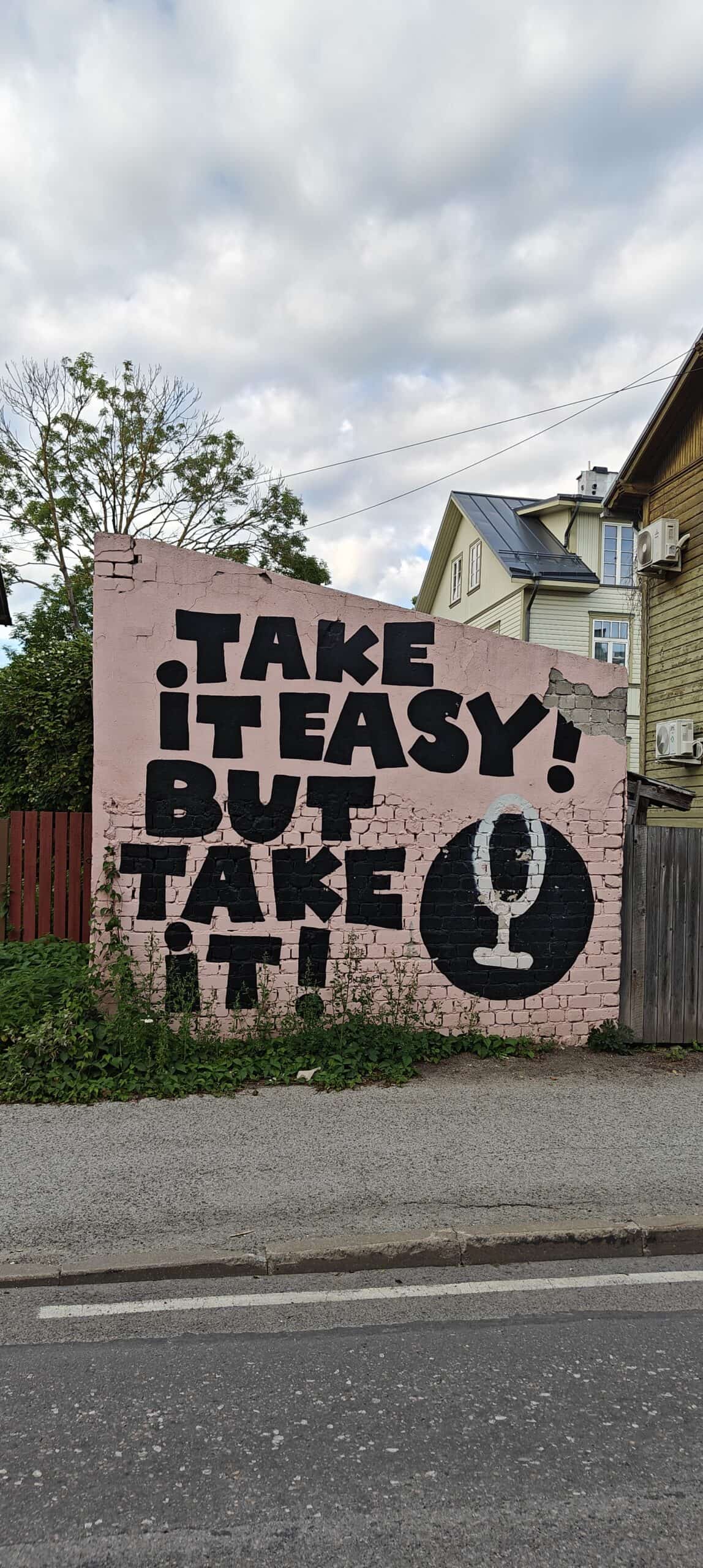
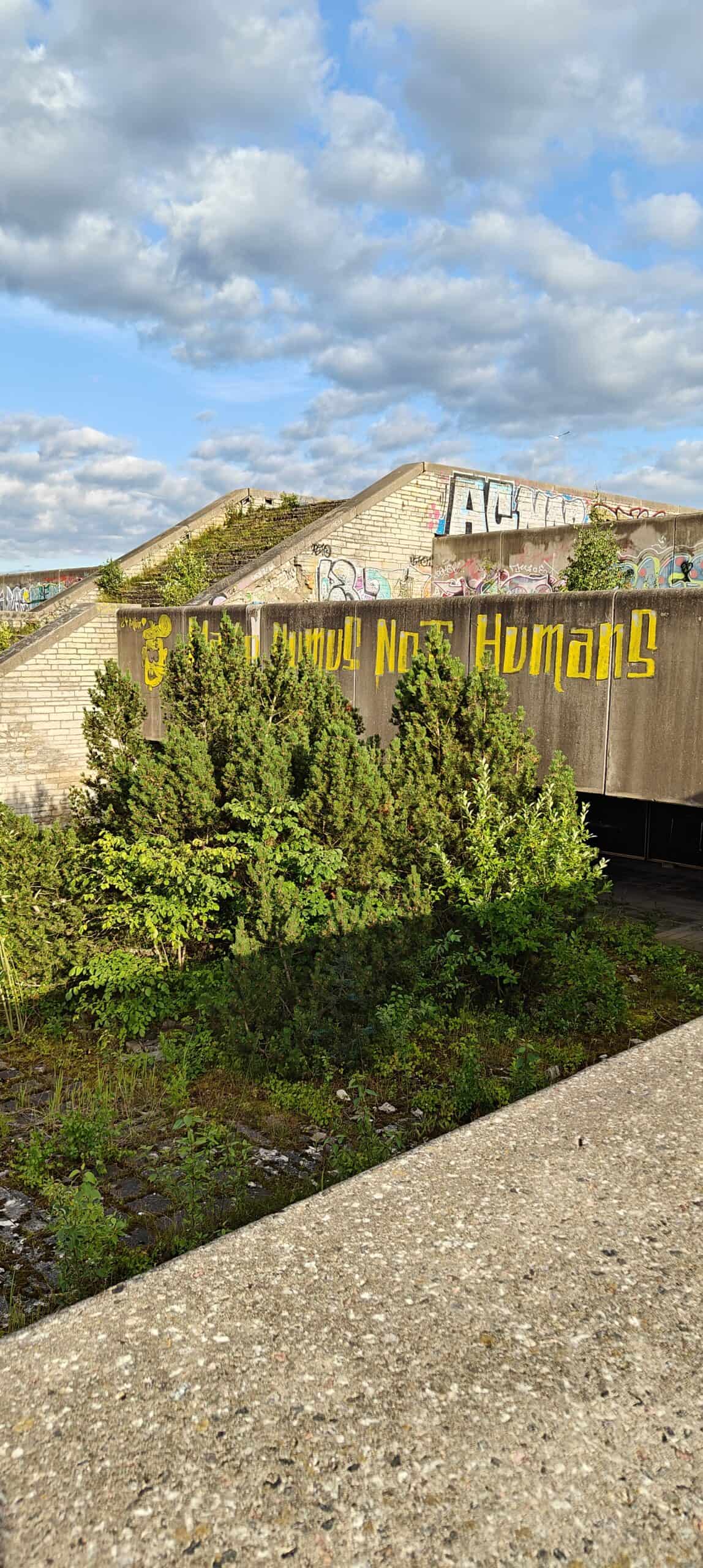
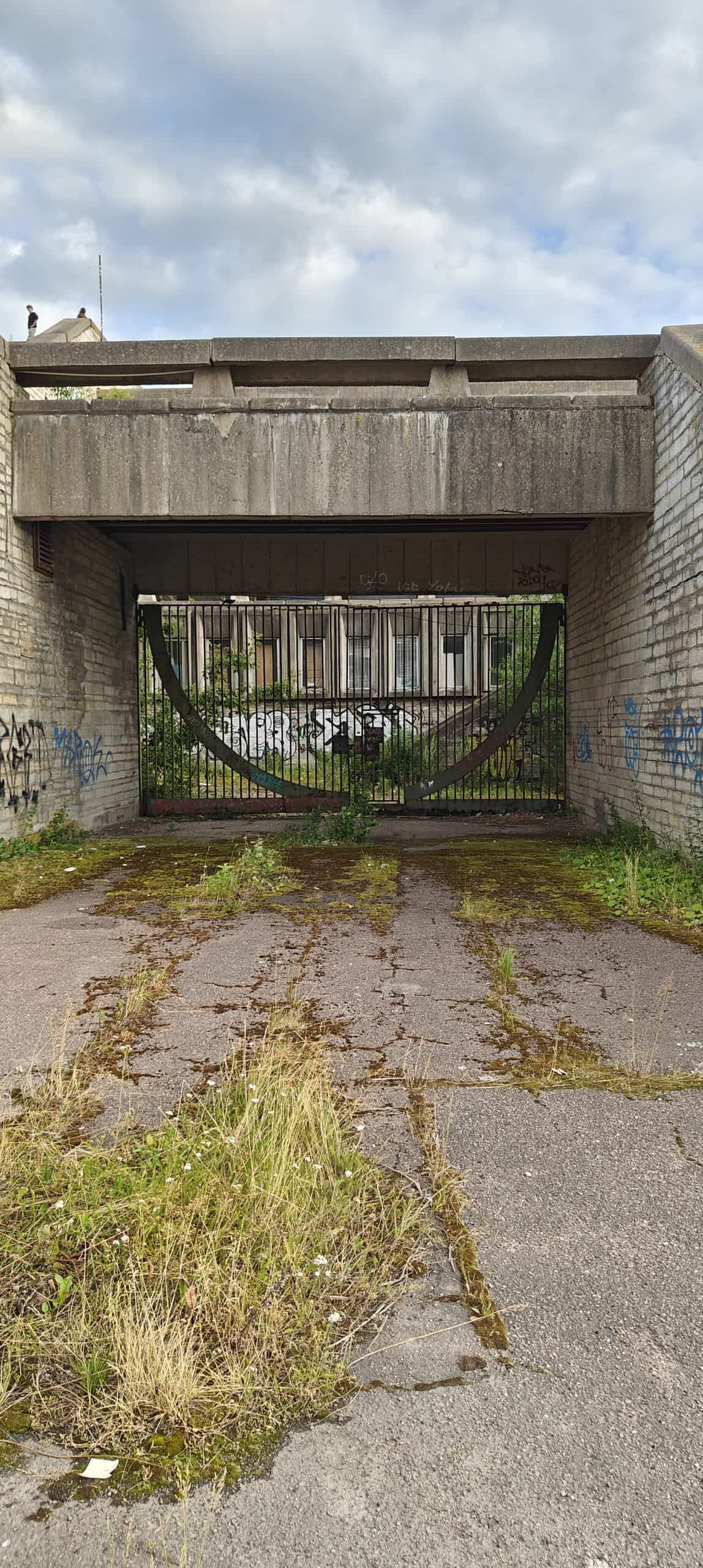
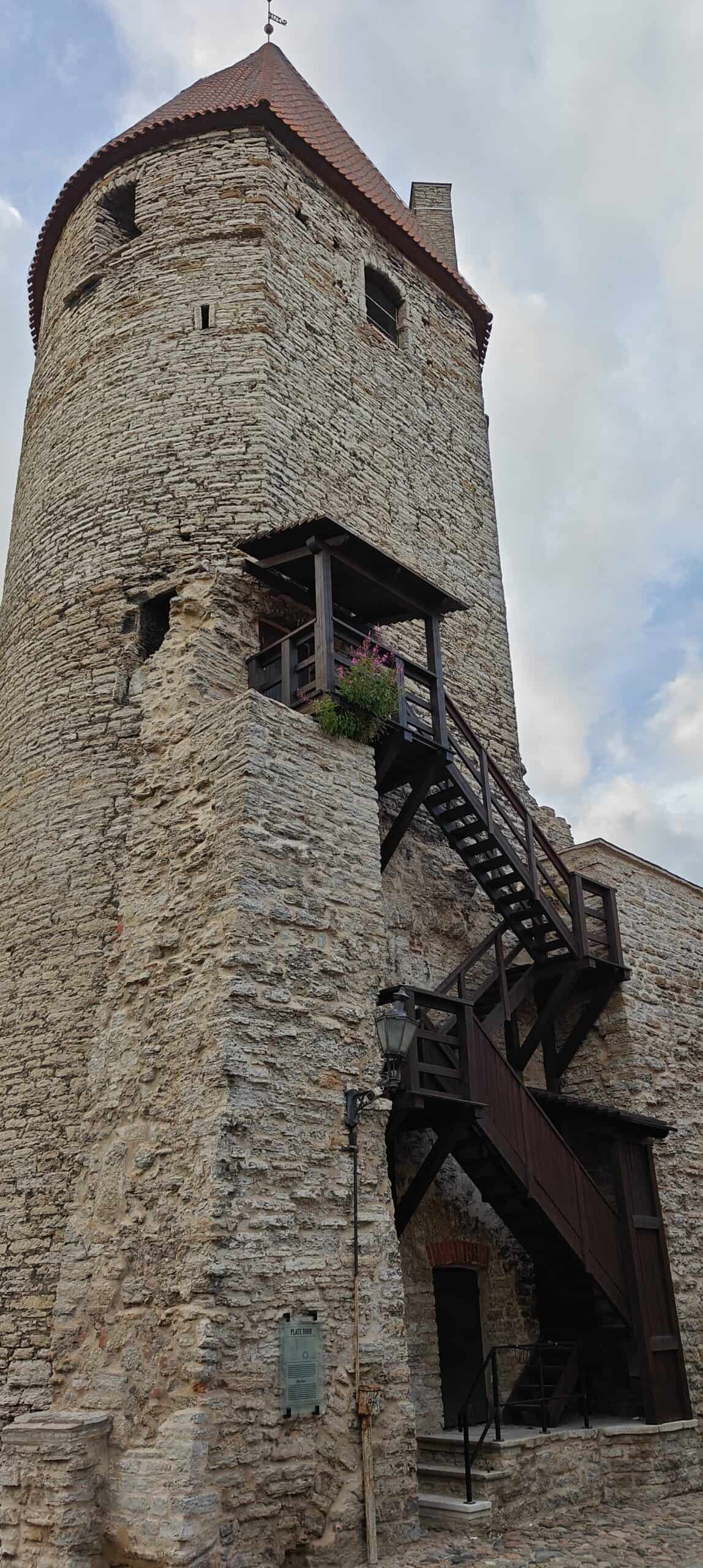
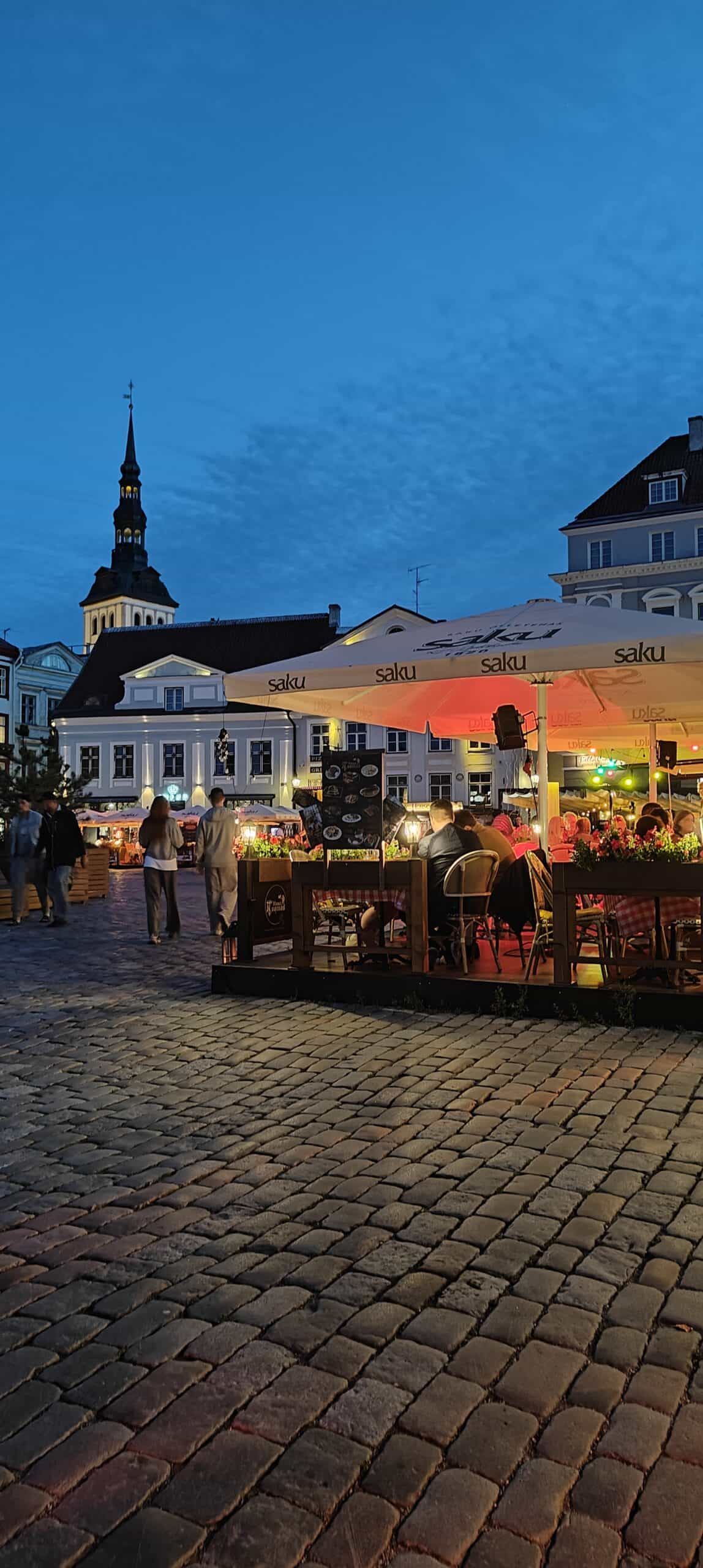
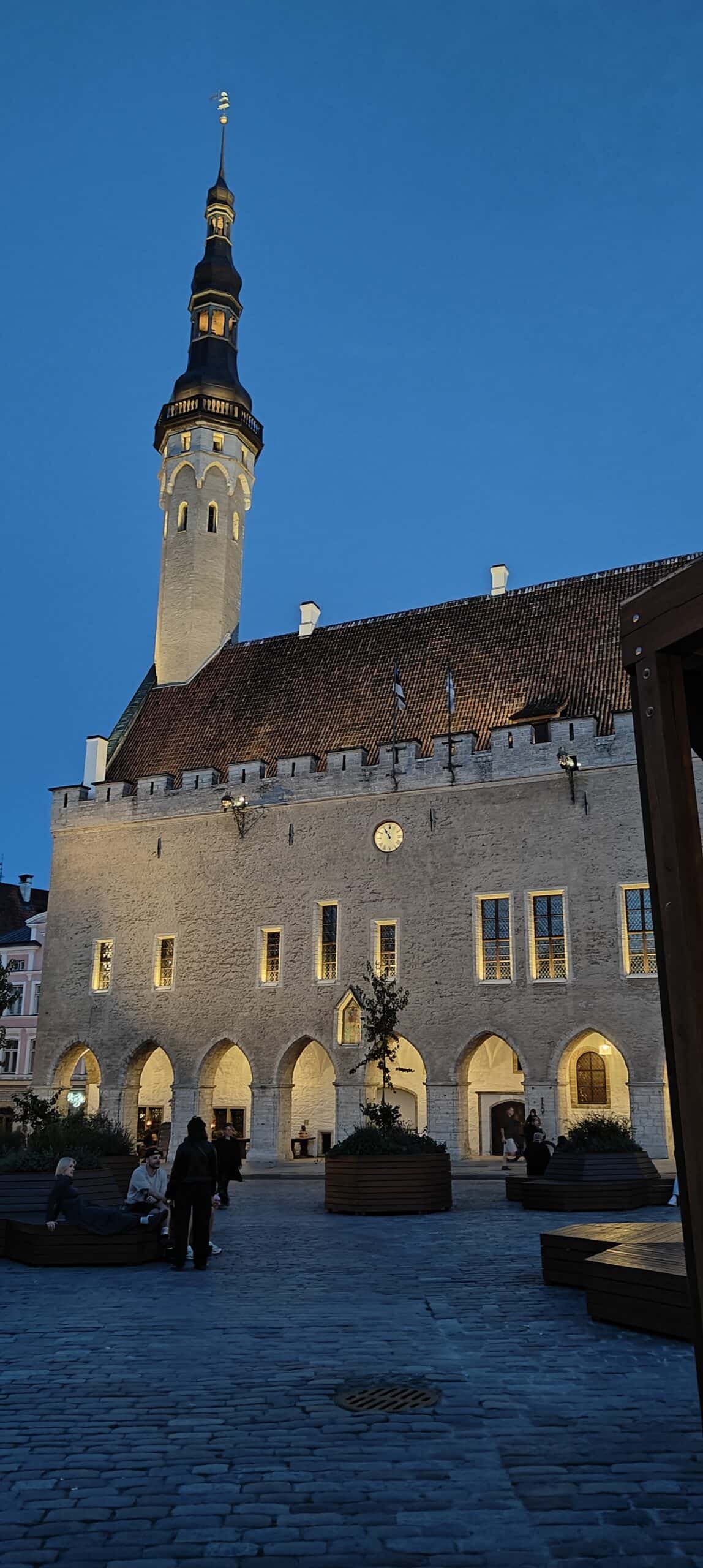
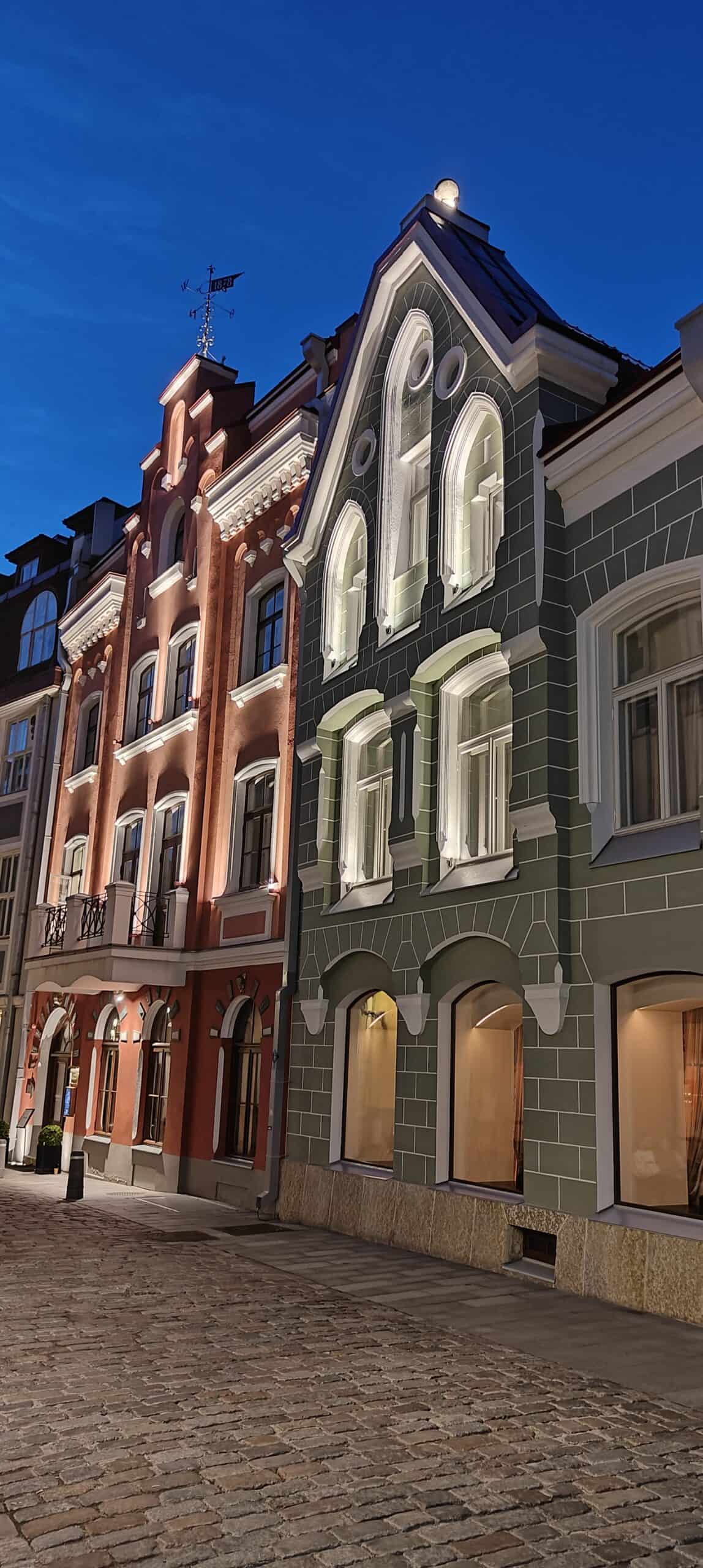
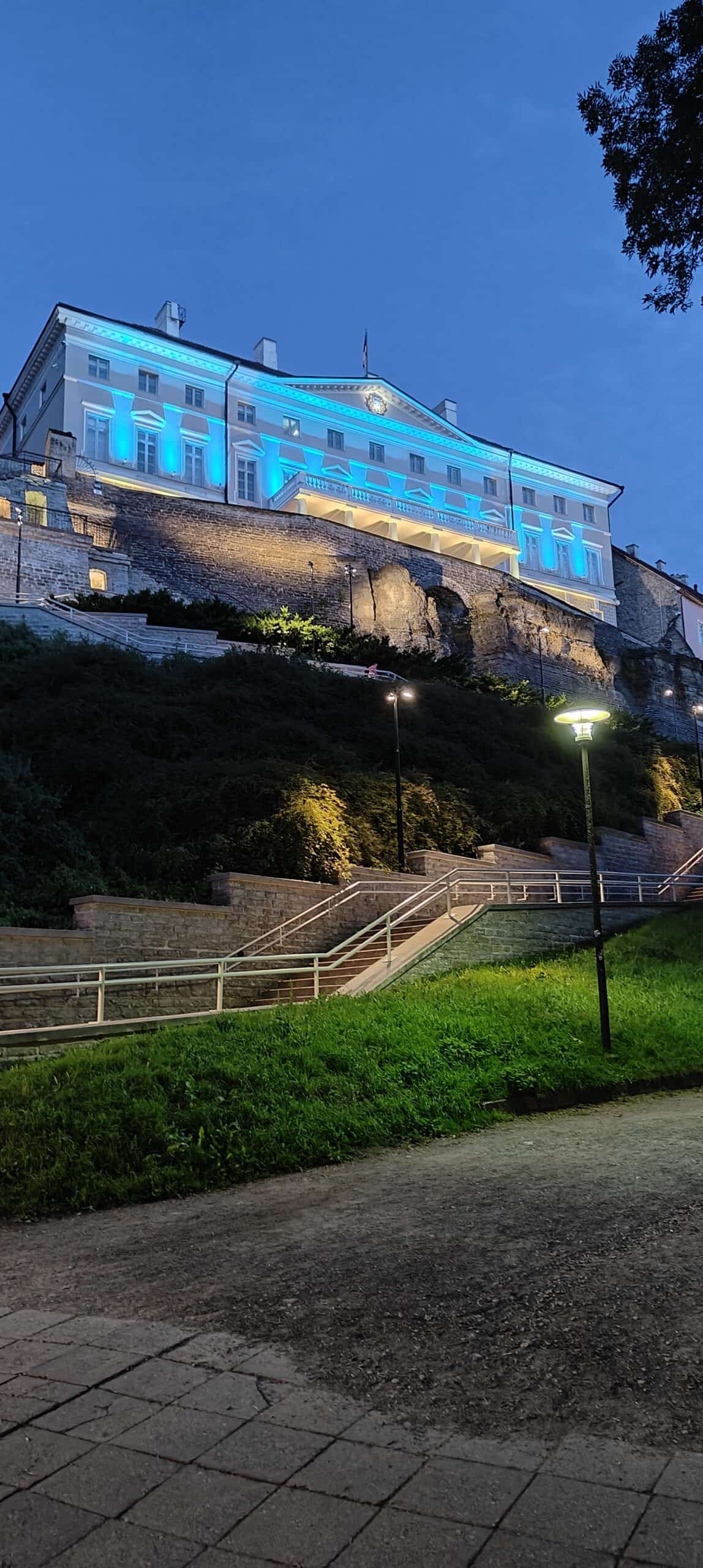
When I say “from here,” I mean from my room in an esoteric shared apartment in one of those wood-paneled apartment buildings. Eeva, the 60-year-old owner who drinks nothing but spring water, felt an unusual sense of emptiness after her children moved out. So she decided to rent out three rooms on Airbnb, thereby creating an international Airbnb shared apartment. So I lived with Eeva, Hayley—a nomadic Canadian who had left her checked luggage behind and preferred to spend the 75 euros (which seemed like quite a lot to me) she would have paid for the suitcase on clothes she could buy locally—Franz, a laid-back Austrian religion teacher who was enjoying his vacation, and Barbara, a Swiss woman who does something in the field of personal development.
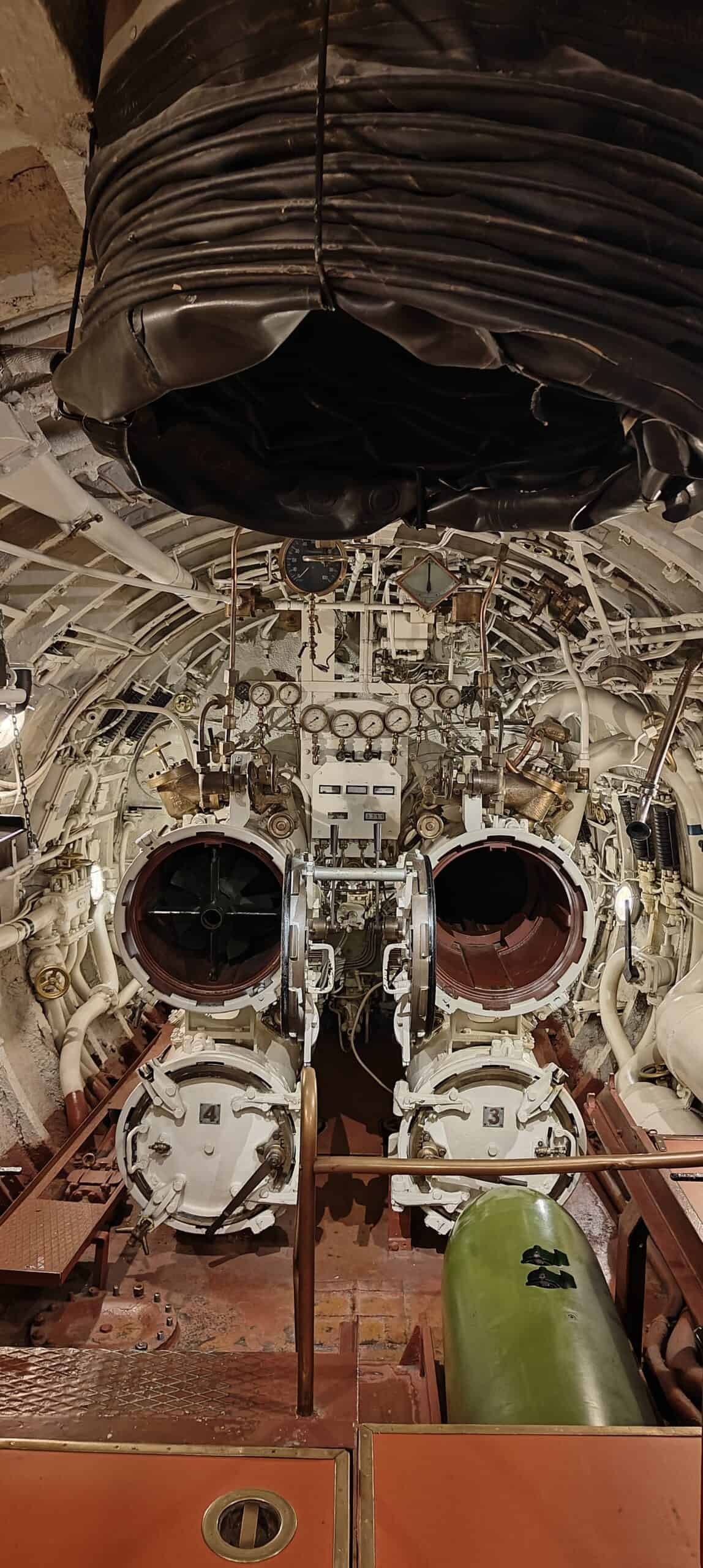
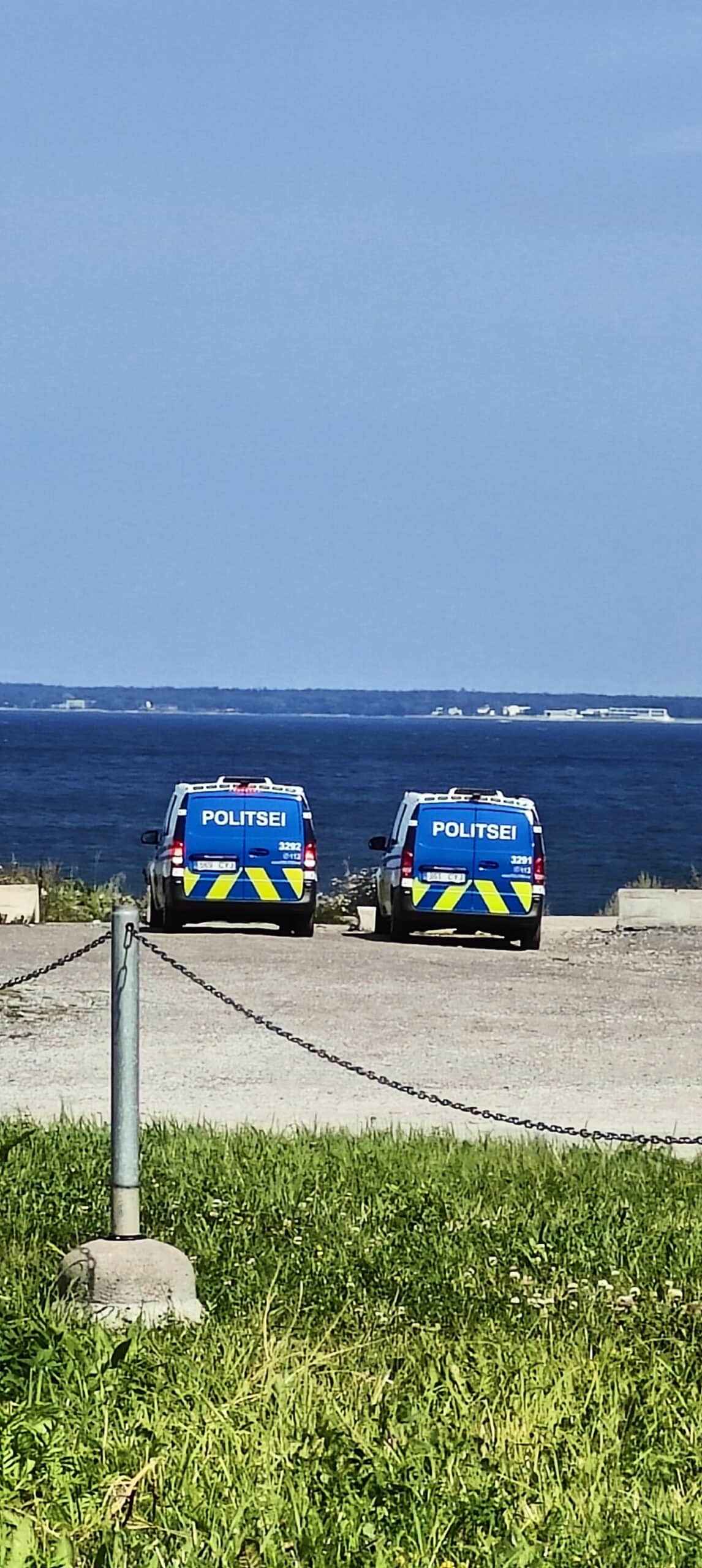
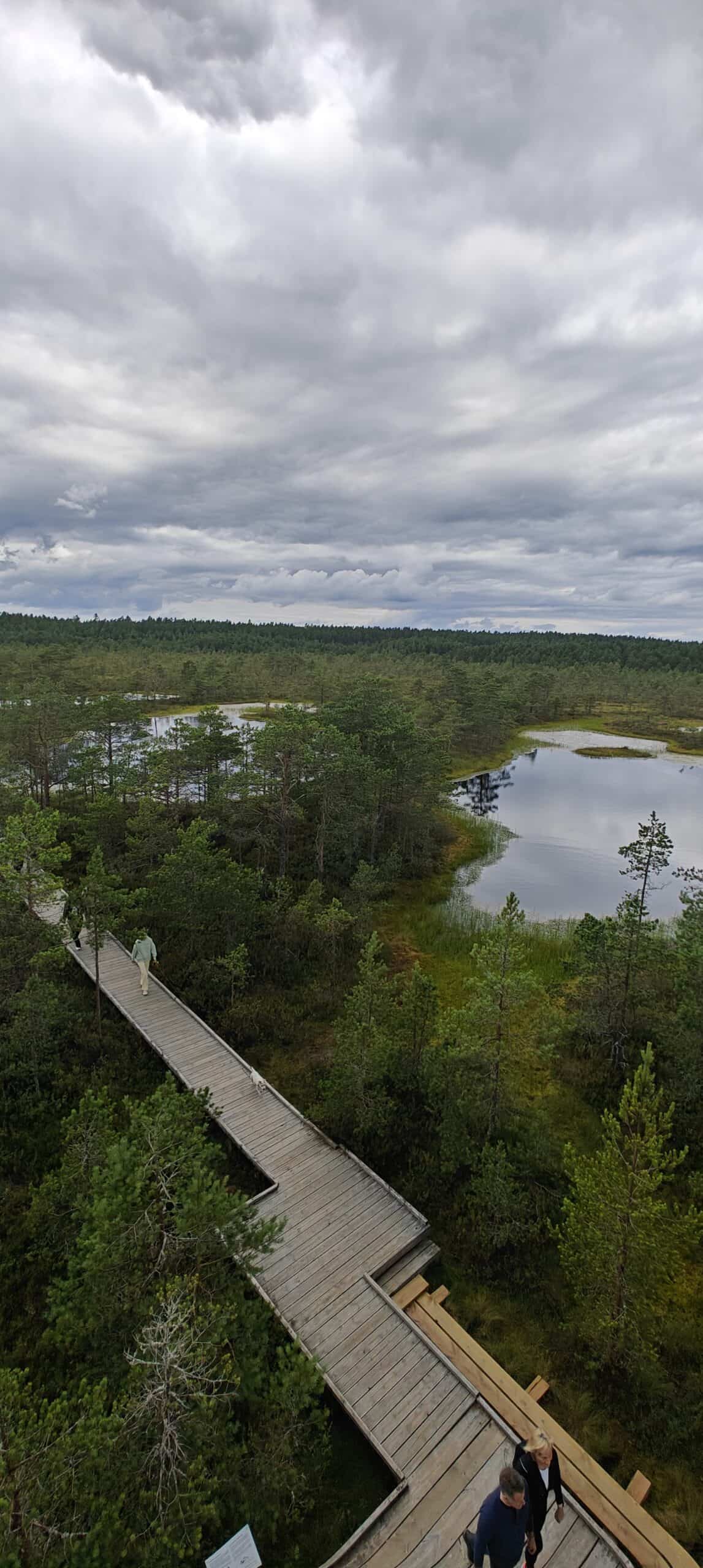
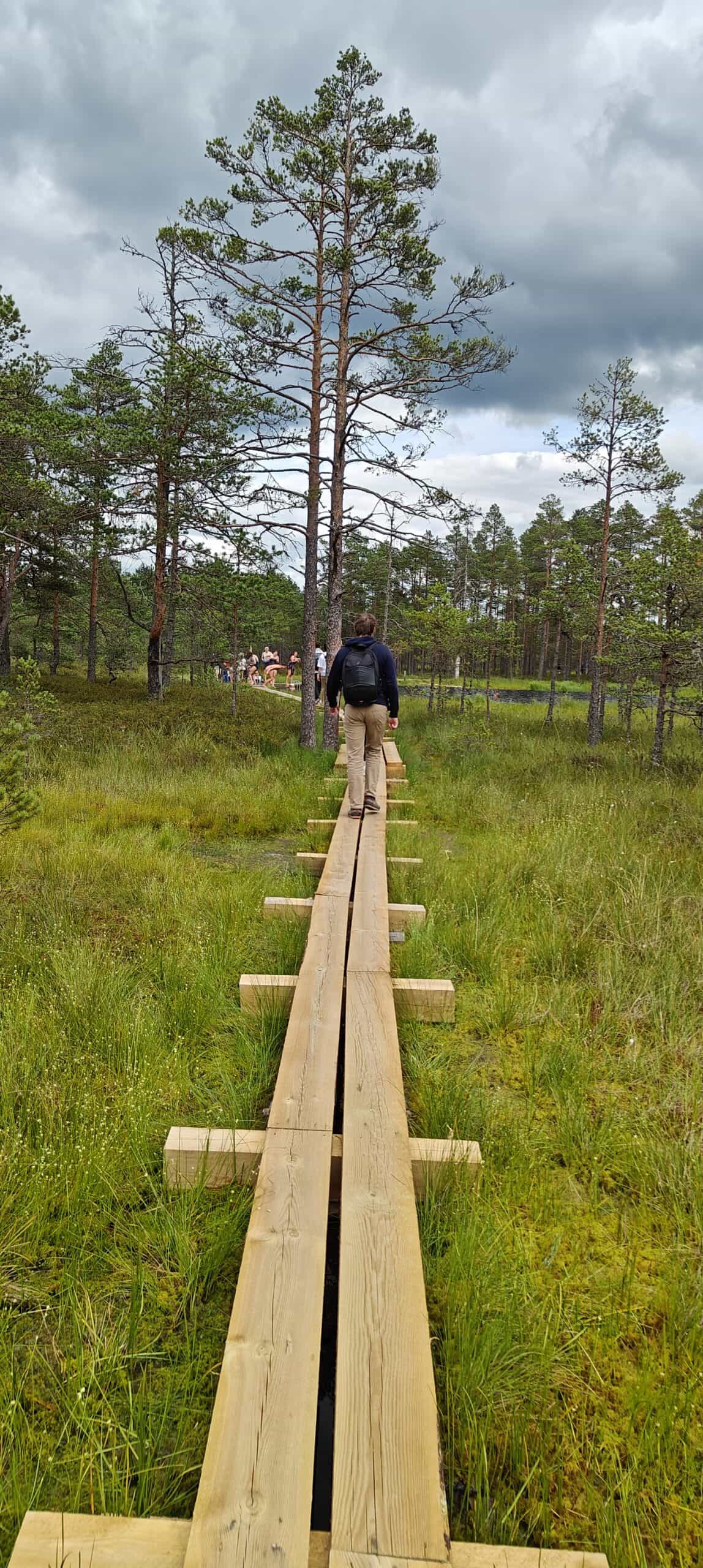
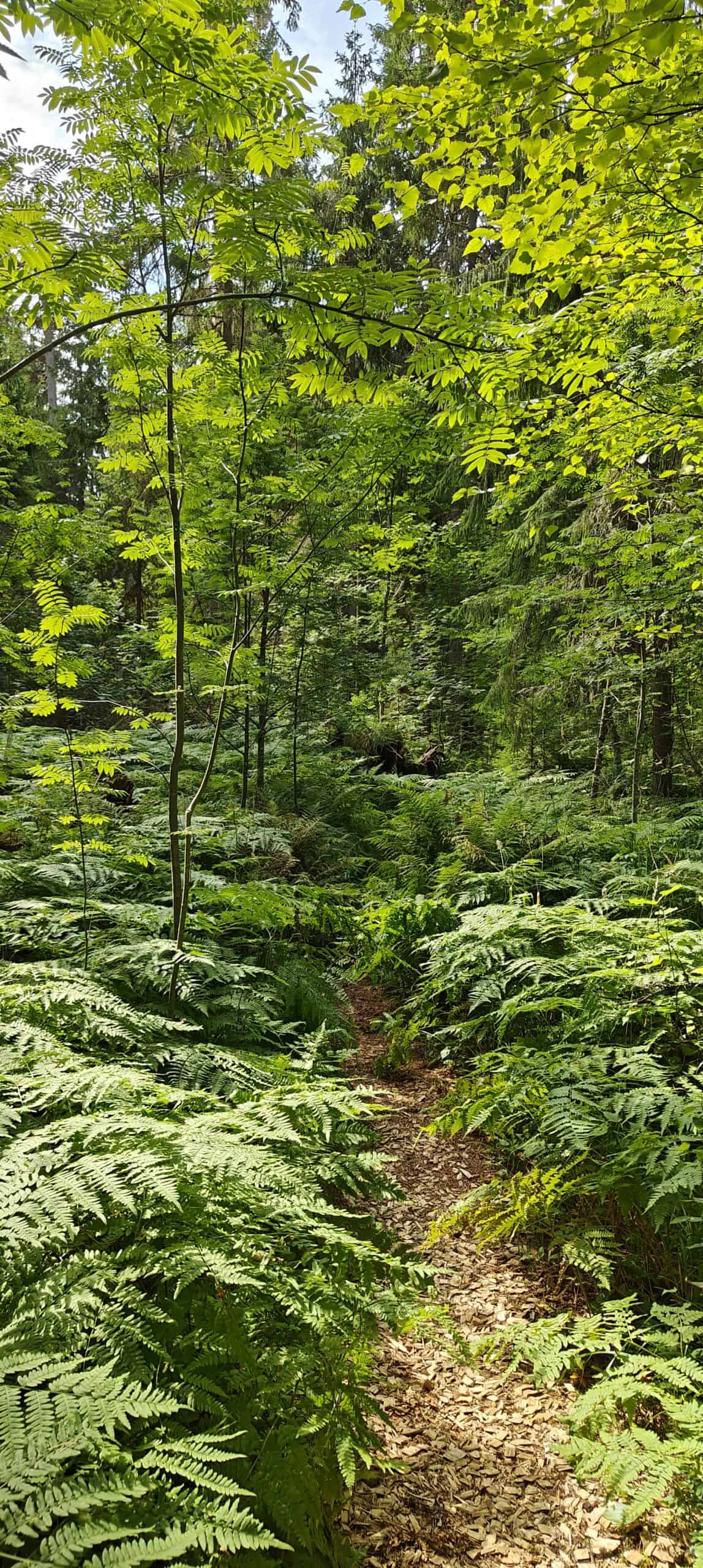
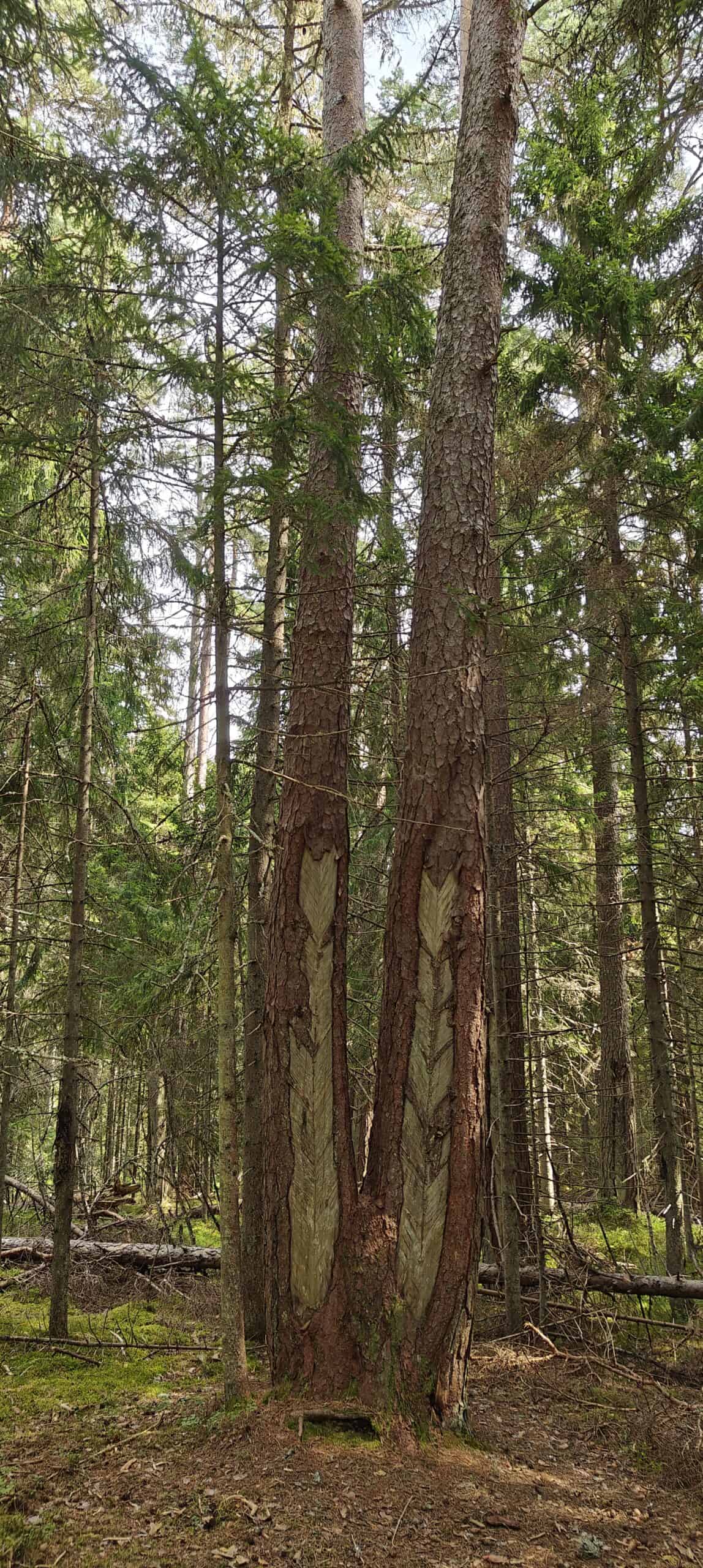
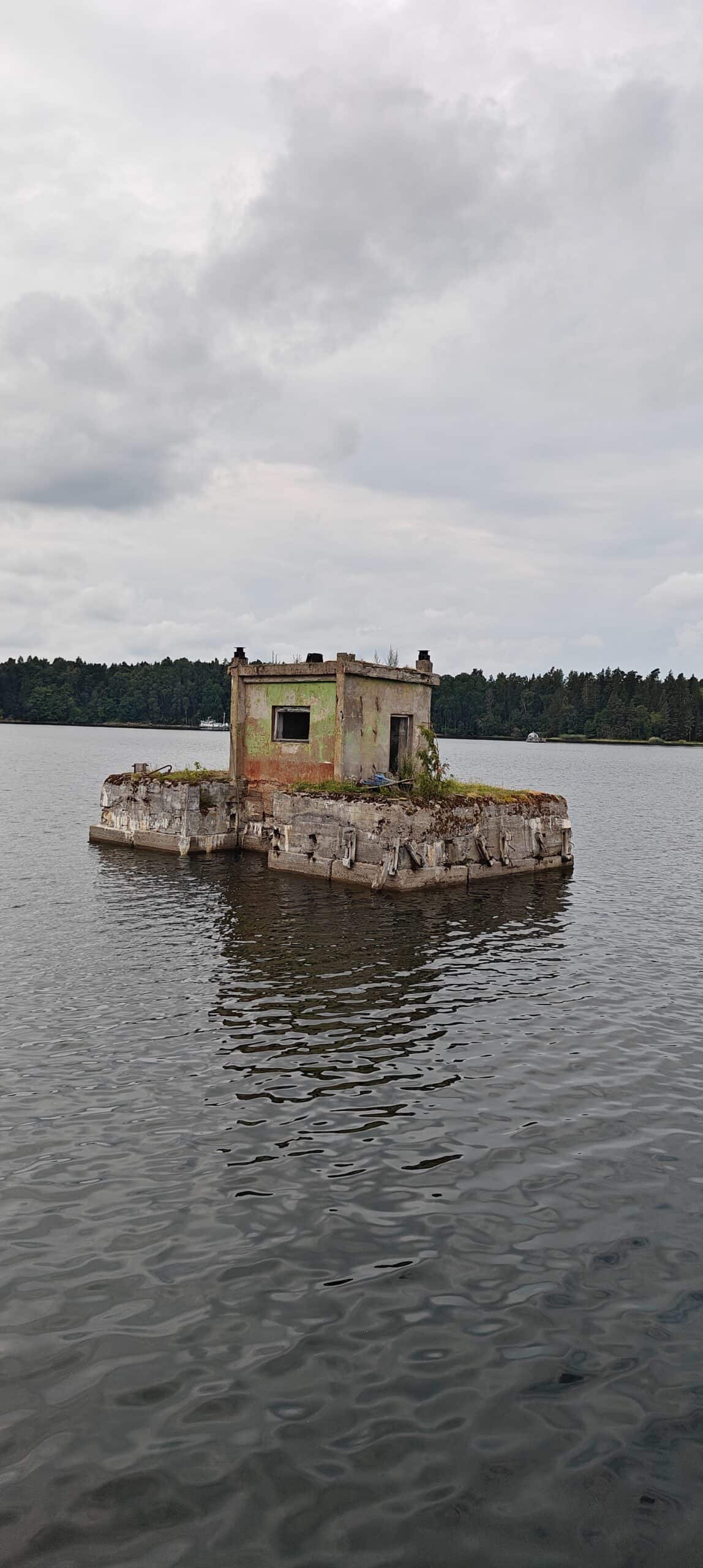
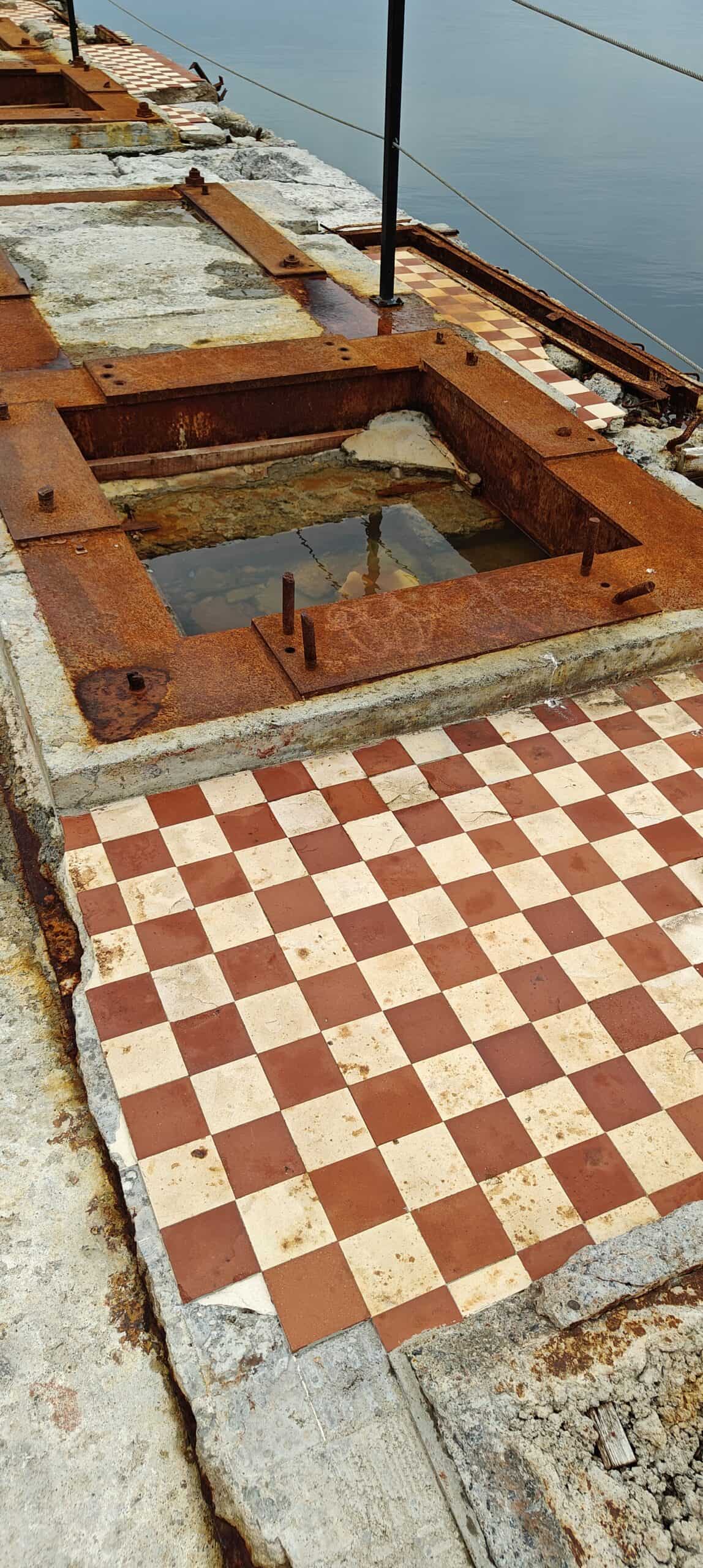
Still full of energy, I rent a car in Tallinn and drive to Lahemaa National Park. A natural paradise unlike any other, I’d say. My tattoo artist, who tattooed the three Baltic national birds on me, had warned me beforehand about bears (yes, with an “ä”). Apart from lots of forest, bogs, Estonians jumping into the last bit of brackish bog water, and even more forest, the whole experience was relatively unspectacularly beautiful and uneventful. Not even the former Soviet submarine base exudes any sense of danger anymore.
But what strikes me along the way is just how pragmatic the Estonians are. In addition to being able to make a U-turn on the left side of the highway (yes, you read that right—there’s a turning lane specifically for making U-turns on the highway (!!!)), I suddenly find myself driving on a freshly paved road that, despite the lack of (!!!) lane markings, was opened to traffic over the weekend. After all, everyone knows roughly where they’re supposed to drive, right?
Stage 2: Giga Riga
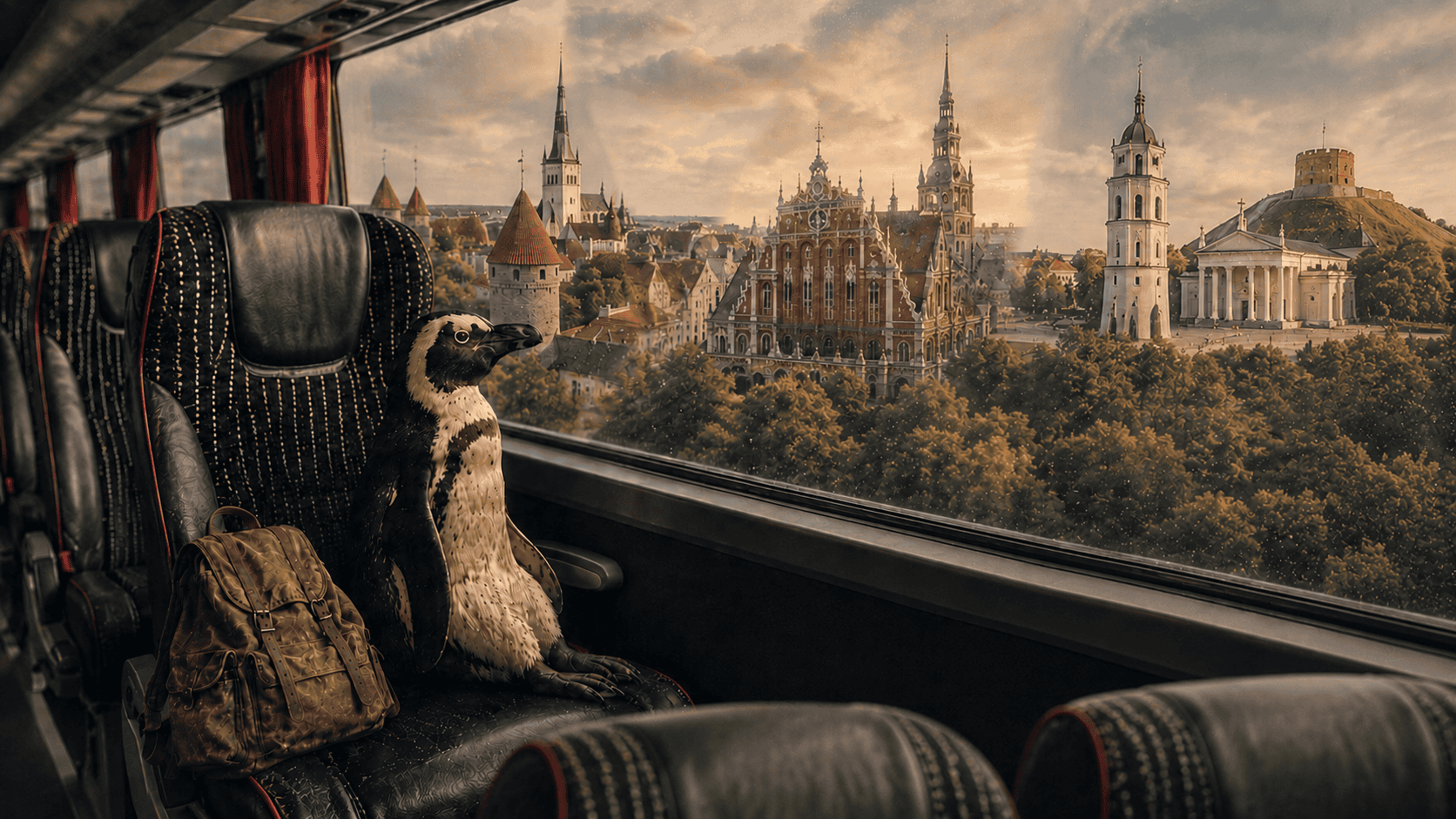
I'm taking the Lux-Express to Riga. It's THE bus company in the Baltics when it comes to comfort and value for money. In addition to comfortable leather seats that you can slide outward for more space, flat-screen TVs with movies, games, and music, there’s Wi-Fi, a working, pleasant-smelling (!!!) on-board restroom, and coffee. ALL INCLUDED IN THE TICKET PRICE. “Well, that’s just amazing,” my late Grandpa Max would probably have summed it up aptly, as he so often did.
The “X” in Lux-Express stands for luxury.
Upon arriving in Riga, I realize for the first time just how big the differences between the countries really are. My tattoo artist had already “warned” me. While the part of Estonia I had traveled through still had a predominantly Scandinavian feel, you can now sense a new vibe in Riga. What stands out are the many large, fast sports cars (which no one here can ever drive at full speed, since there’s a general speed limit of 110 on highways), the very attractive women with small brown toy poodles, and the numerous well-preserved Art Nouveau buildings that could just as easily be found in any other major European city.
My host this time is Dita. She’s tall, slim, very pretty, and—as we quickly discover—has a similar sense of humor to mine. It feels more like a real shared apartment than an Airbnb booking. Dita has a lot on her plate and often talks about the “friends’ duties” she has to fulfill. Strangely enough, she almost always comes in through the front door instead of her own bedroom door the next morning. I point this out once, we laugh, and it becomes a running gag.
Here in Riga, I’m already noticing that I’m somehow lacking energy and that I’m leaving the apartment much less often than I did back in Tallinn. That’s not because of the five flights of stairs I have to walk up and down every time, but because I simply have too much work to do. One of my colleagues is on vacation, the other has to take care of his family right now, and our student intern is in the middle of final exams. The work still has to get done. Admittedly, things were planned a little differently, but being self-employed also means taking on responsibility—for yourself, for your company, and for your clients. There are often enough times when things go exactly the other way around. But it also shows once again what most people have a hard time understanding: Just because I’m traveling doesn’t mean I’m on vacation. So it’s easy for two weeks in Riga—which is actually way too long for a city trip—to not be enough to see the whole city, let alone more of the country.
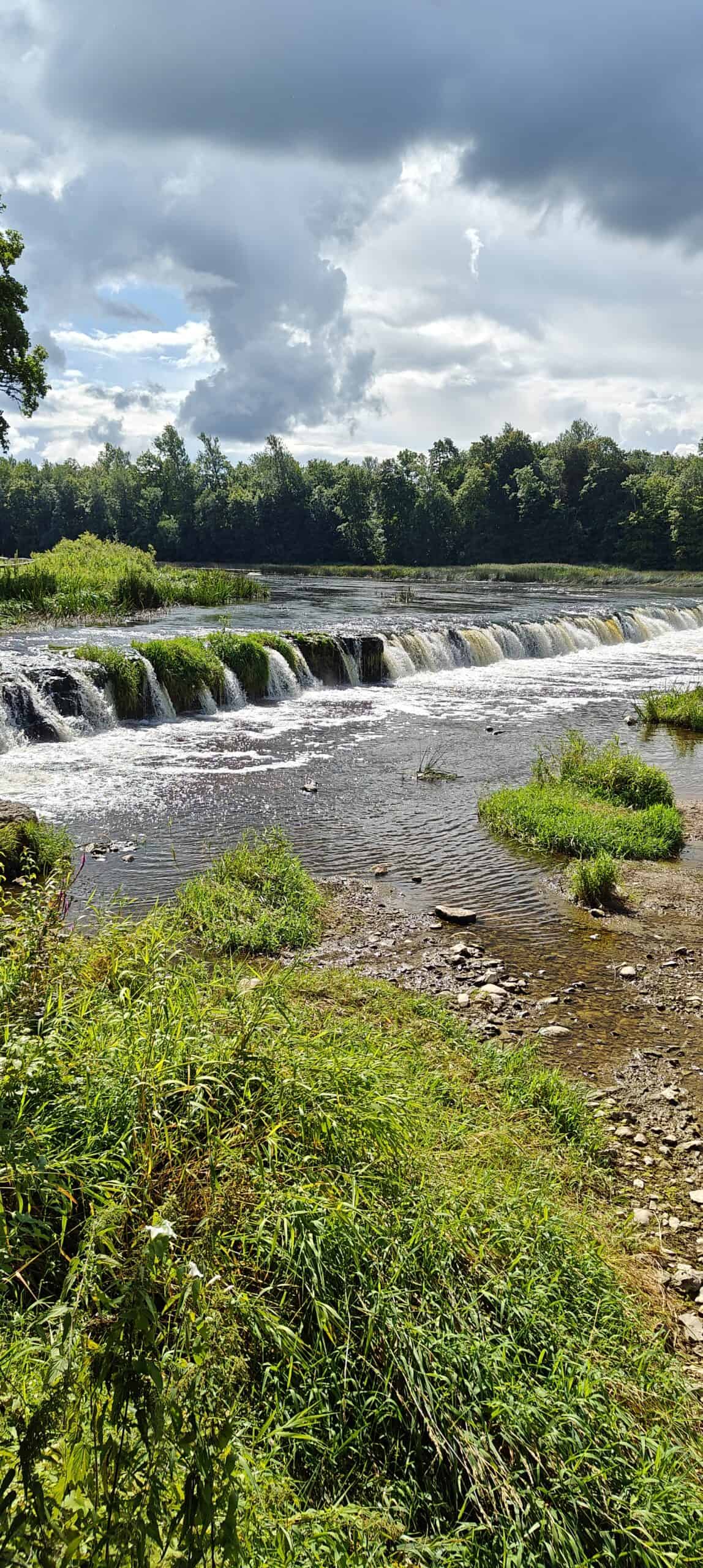
And so I decide to limit my weekend trip to a day trip and reserve my only Sunday in Riga for a more extensive exploration of the city. And that brings us to the biggest thing all three Baltic states have in common: a penchant for superlatives. Whether it’s the largest bog, the widest waterfall in Europe, or the world’s largest artwork made of televisions—here, people take pride in anything that sets them apart.
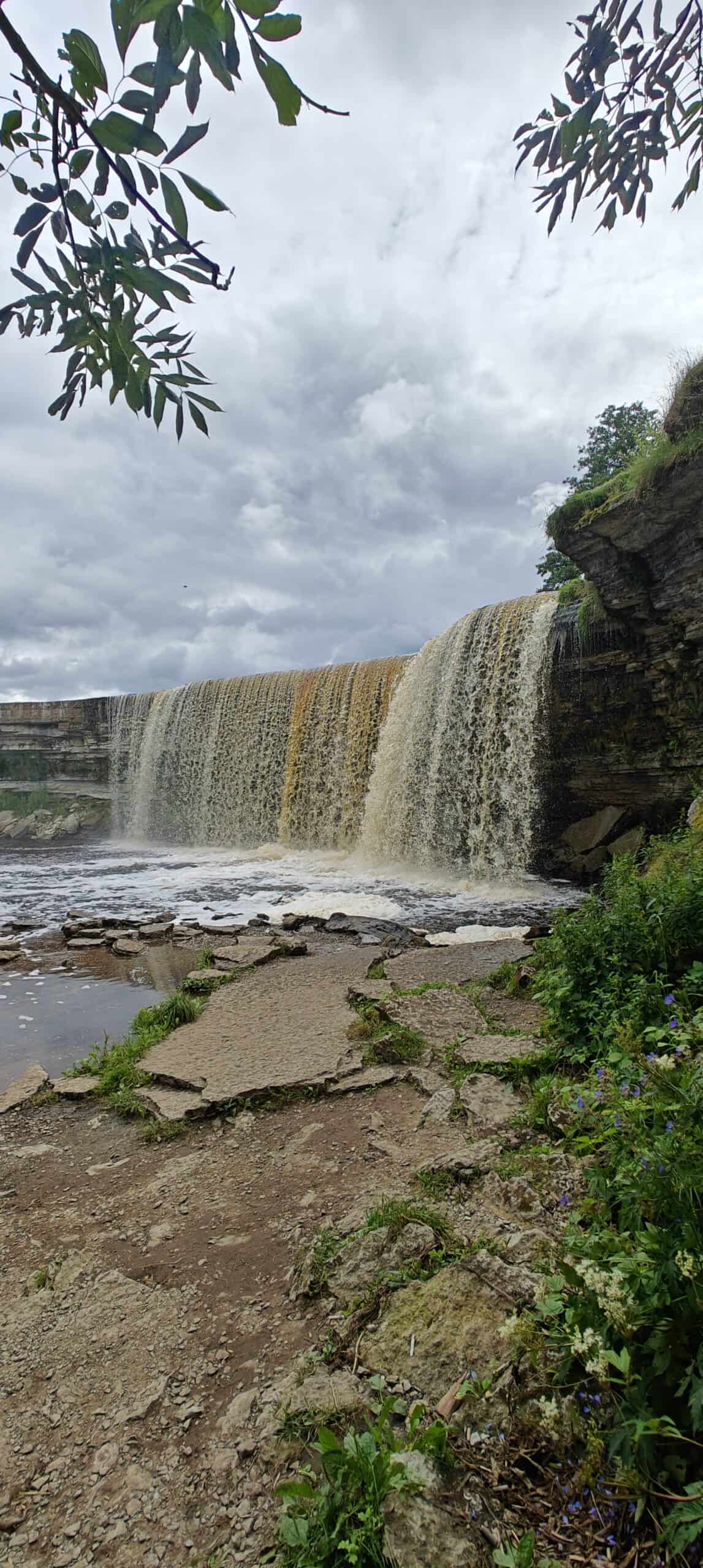
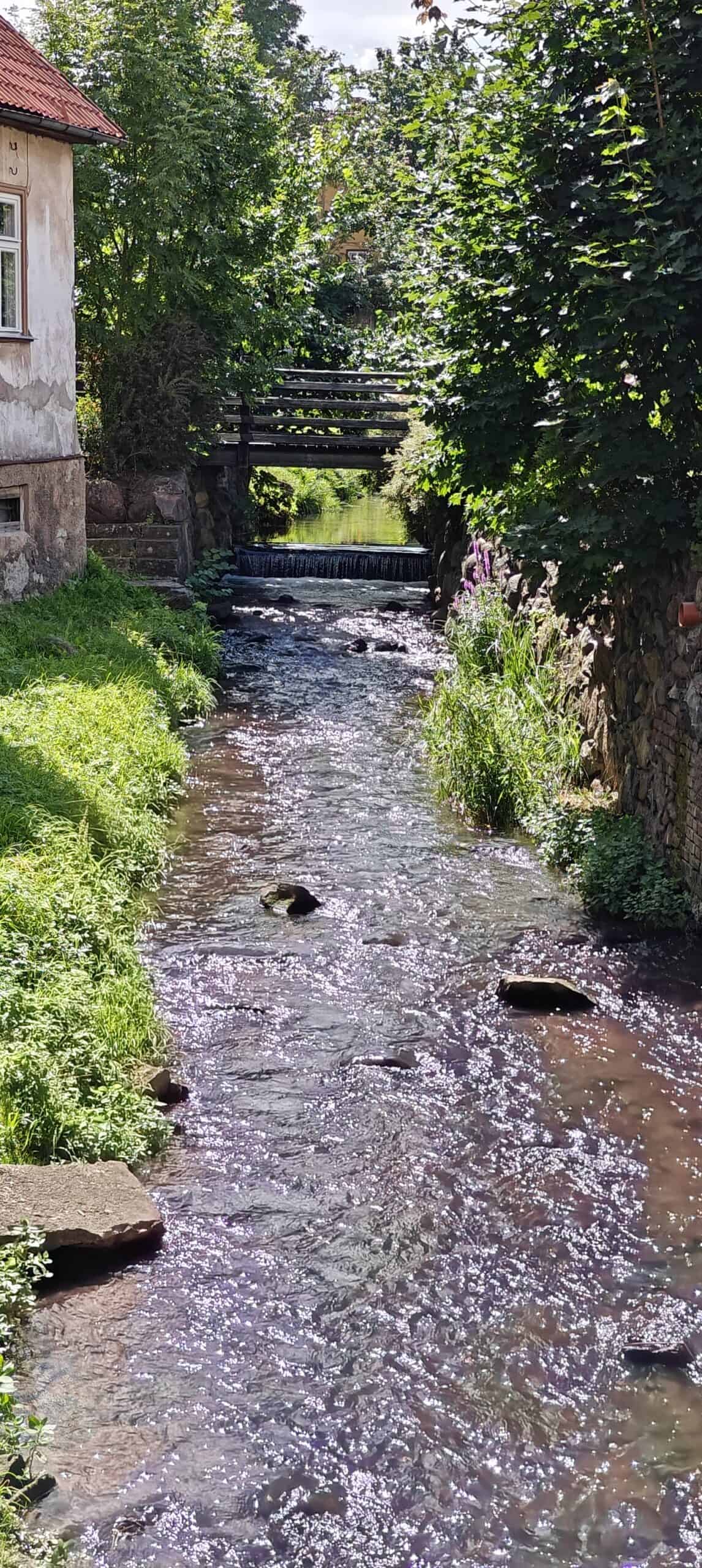
Europe’s widest waterfall has piqued my interest, so I set off in a Bolt automatic Toyota Yaris. The car steers itself, accelerates, and basically does everything else I’d normally be responsible for as a driver. Three cheers for autonomous driving. Not really. Boring. On top of that, I’m driving straight ahead the whole time—forest on the left, forest on the right—and the speedometer shows 90 km/h most of the time, rarely 110. I arrive in Kuldīga. A cute little old town that’s hugely popular thanks to Europe’s widest waterfall. When I reach the waterfall, I’m impressed. And disappointed at the same time. The waterfall is indeed very wide, but you can jump down from the top and at most your shoes will get wet. I’d somehow imagined it differently.
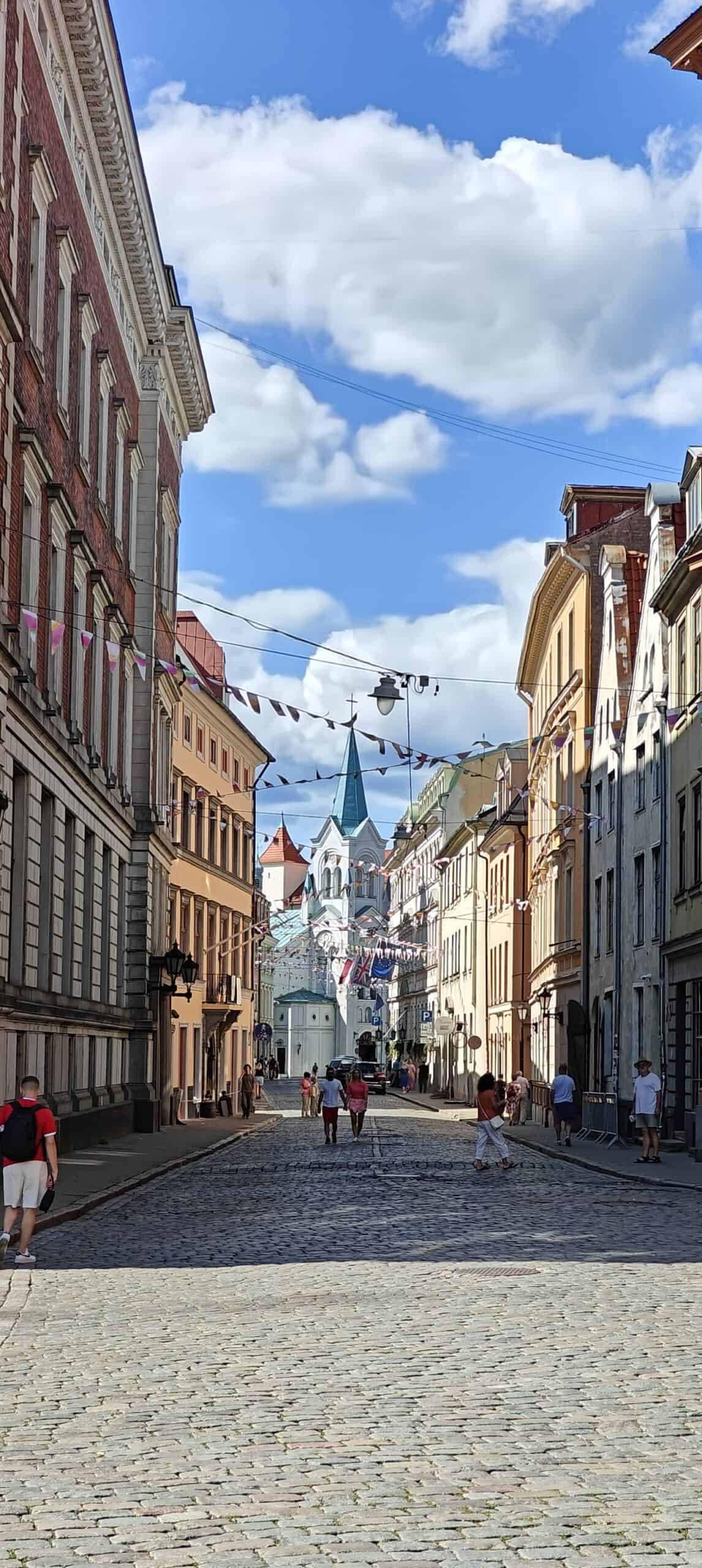
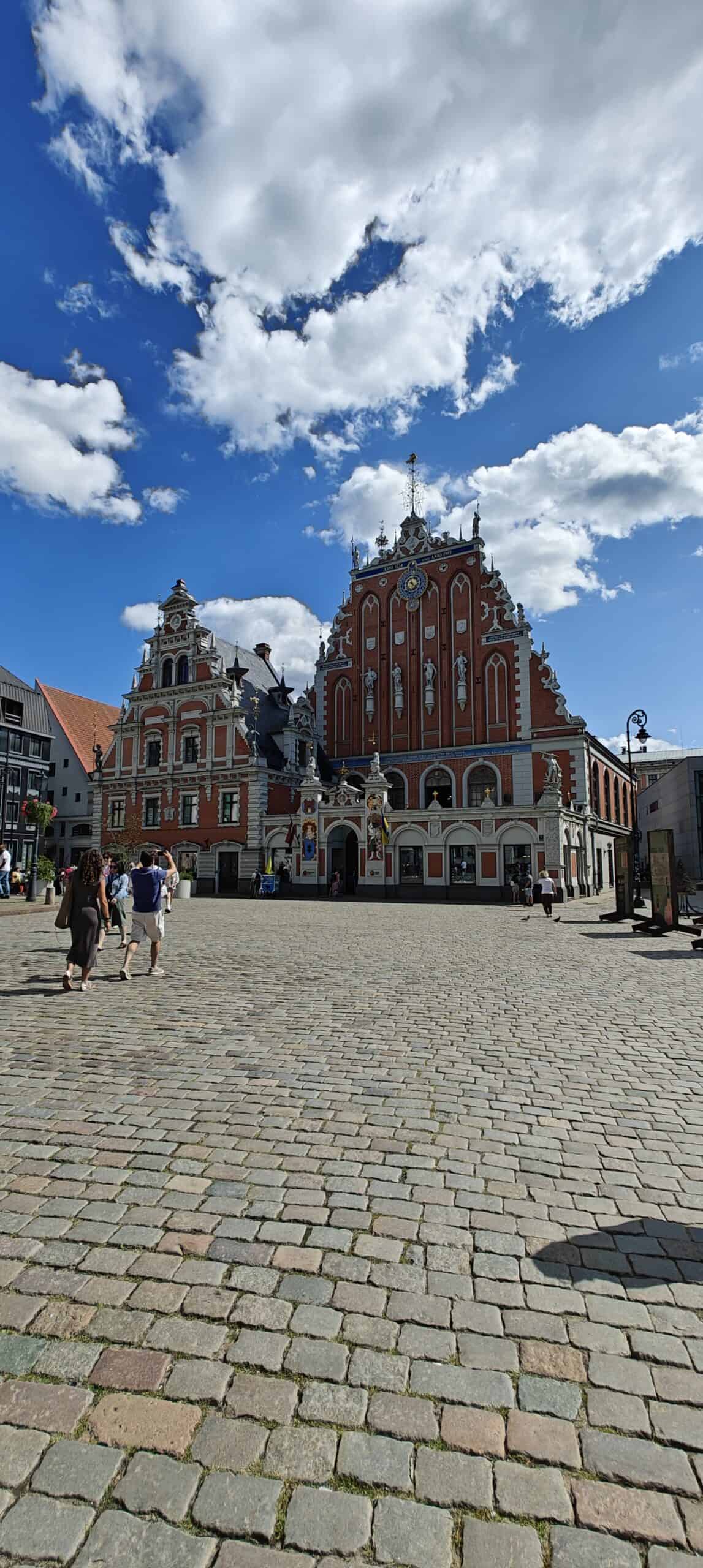
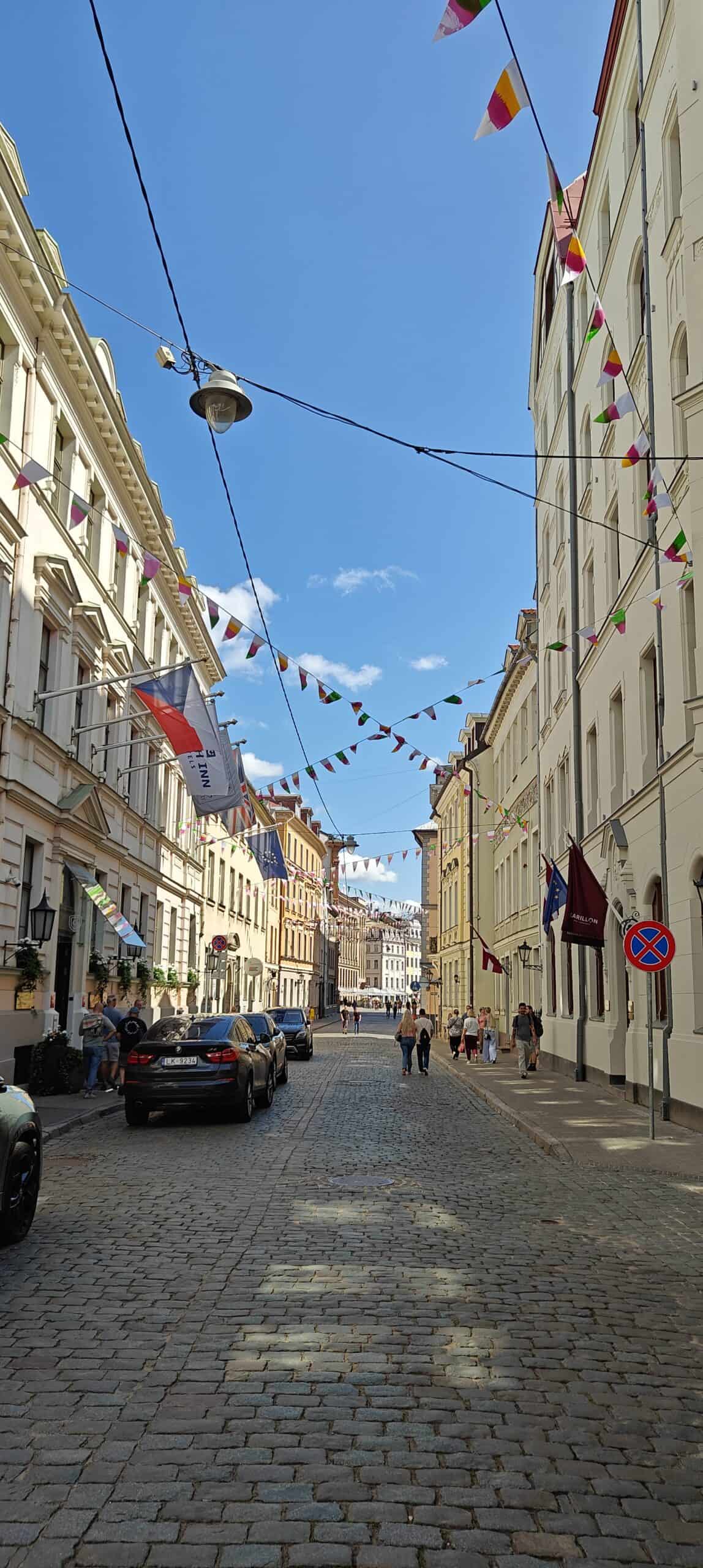
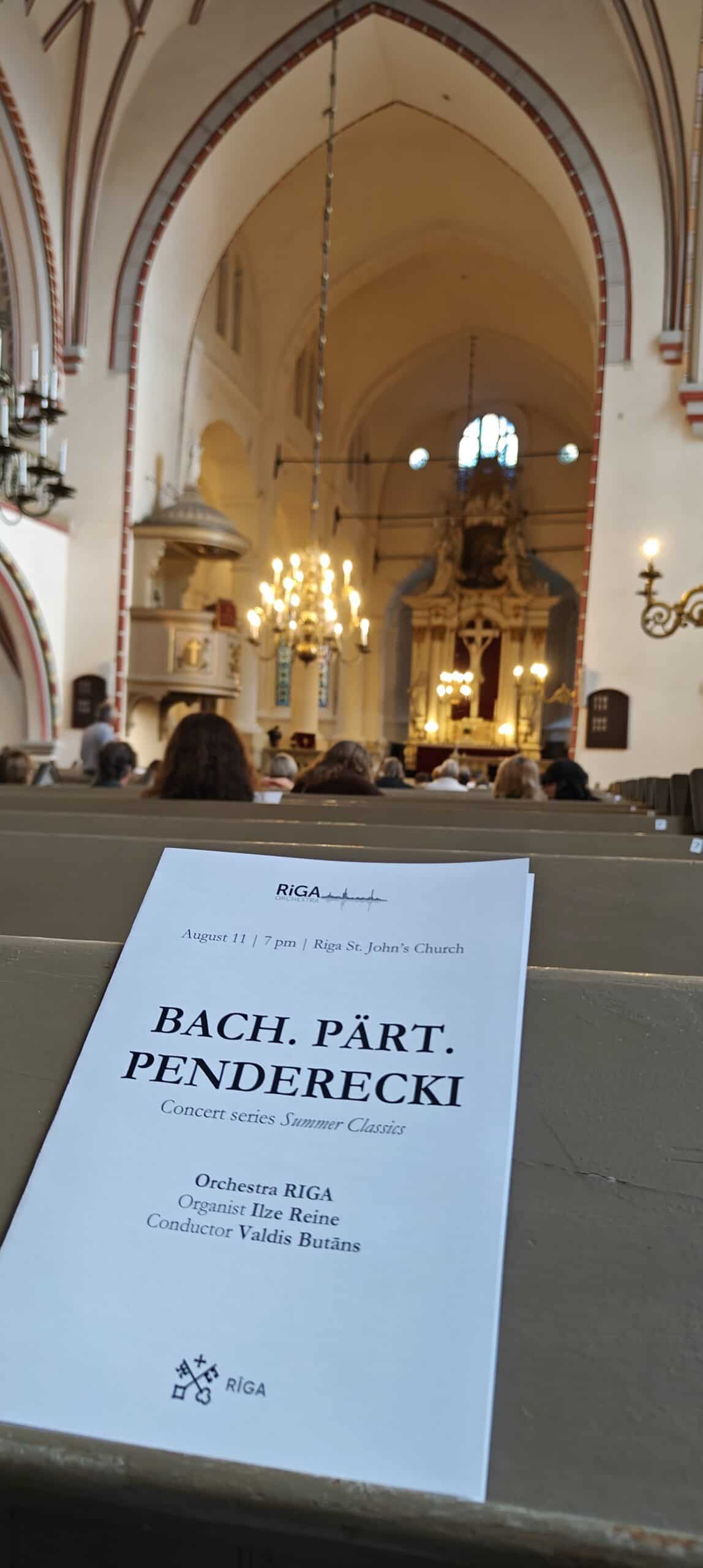
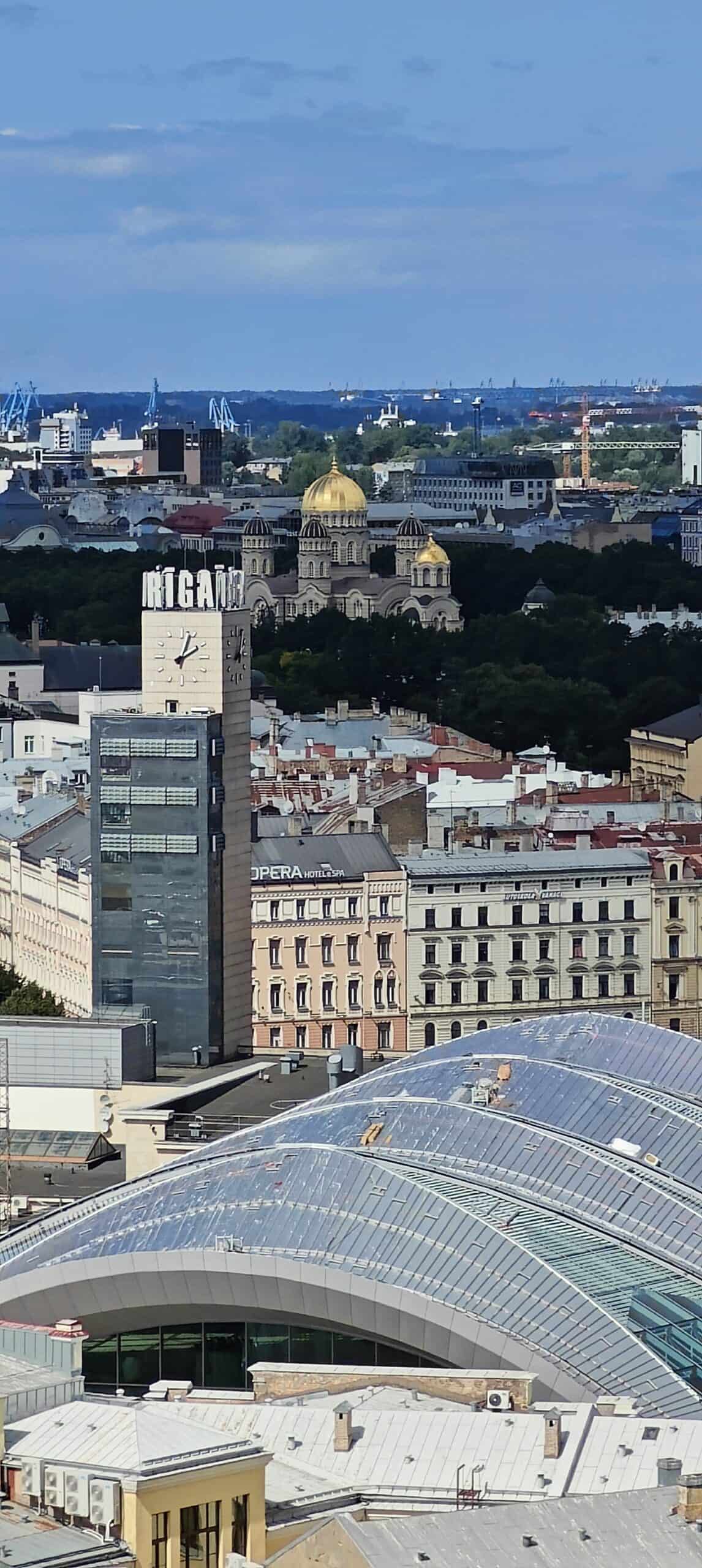
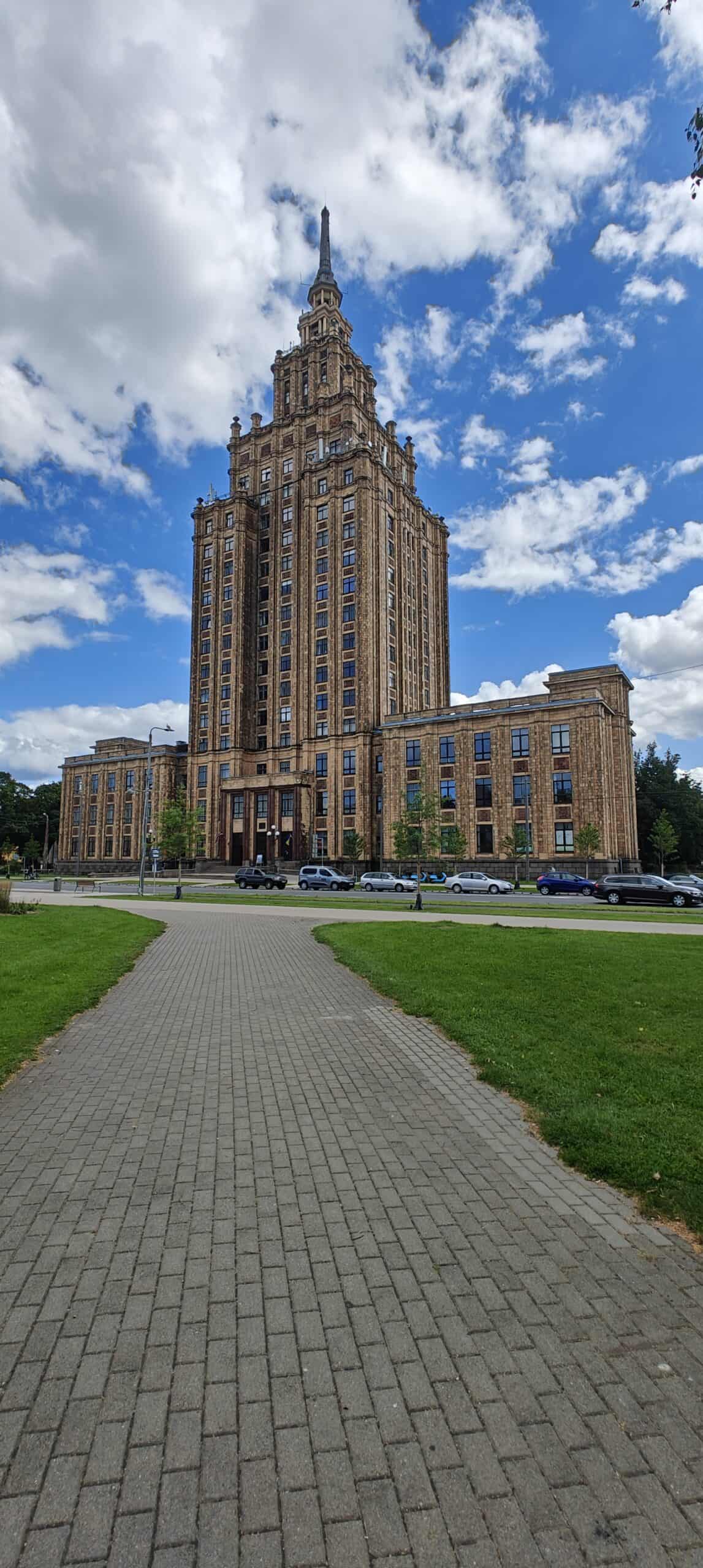
Spoiler: Of all three capitals, Riga was somehow my favorite, despite the stress of work. Lively, beautiful, friendly people. Period.
Stage 3: Confused in Vilnius
Vilnius is supposed to be my last stop in the Baltics. Somehow, my first impression is that it’s pleasantly normal in an antisocial way. Sounds weird, I know, but in Tallinn and Riga, I saw virtually no one begging, drinking, or doing drugs for a whole month. Suddenly, I step off the next Lux-Express at the bus station and—it feels like—the very first thing I stumble upon is a drunk Russian with a 1-liter plastic beer bottle.
My lodging is on the outskirts of Užupis, Europe’s only (who would have thought?) and self-proclaimed artists’ republic. It practically screams “Guinness World Records.” I enter the code I was given earlier to open the wooden gate. Behind it lies a garden arbor in need of renovation, which I’ll now call my own for the next two weeks. “Good night, Marie,” I think to myself as I open the front door. The interior doesn’t live up to my expectations—on the contrary, it’s unexpectedly cozy. As a digital nomad, I naturally ask my host for the Wi-Fi password right away. I didn’t find it on Airbnb, nor is there any information about it in the apartment. It’s not working. I ask the host to make sure it’s working by Monday (two days later)—ideally—since that’s, after all, one of the few essential components of my daily work routine. A few messages later, my host is now communicating exclusively in ALL CAPS. Everything is supposedly working perfectly, and I, the idiot, just need to type in the password—which had been sent to me as a photo of a handwritten note. Oh, really? As if I hadn’t already done that several times. After the owner gave me access to the router, I’ve been restarting it at least once a day ever since. It works. When I pointed out that they should please maintain some decorum in their messaging in the future—and that I certainly wouldn’t let anyone yell at me via text—I learned that they use AI tools to respond to messages, and these tools tend to use all caps to emphasize their point. Oh, really? Sounds like the AI was either trained by a hothead or like they’re trying to pull my leg.
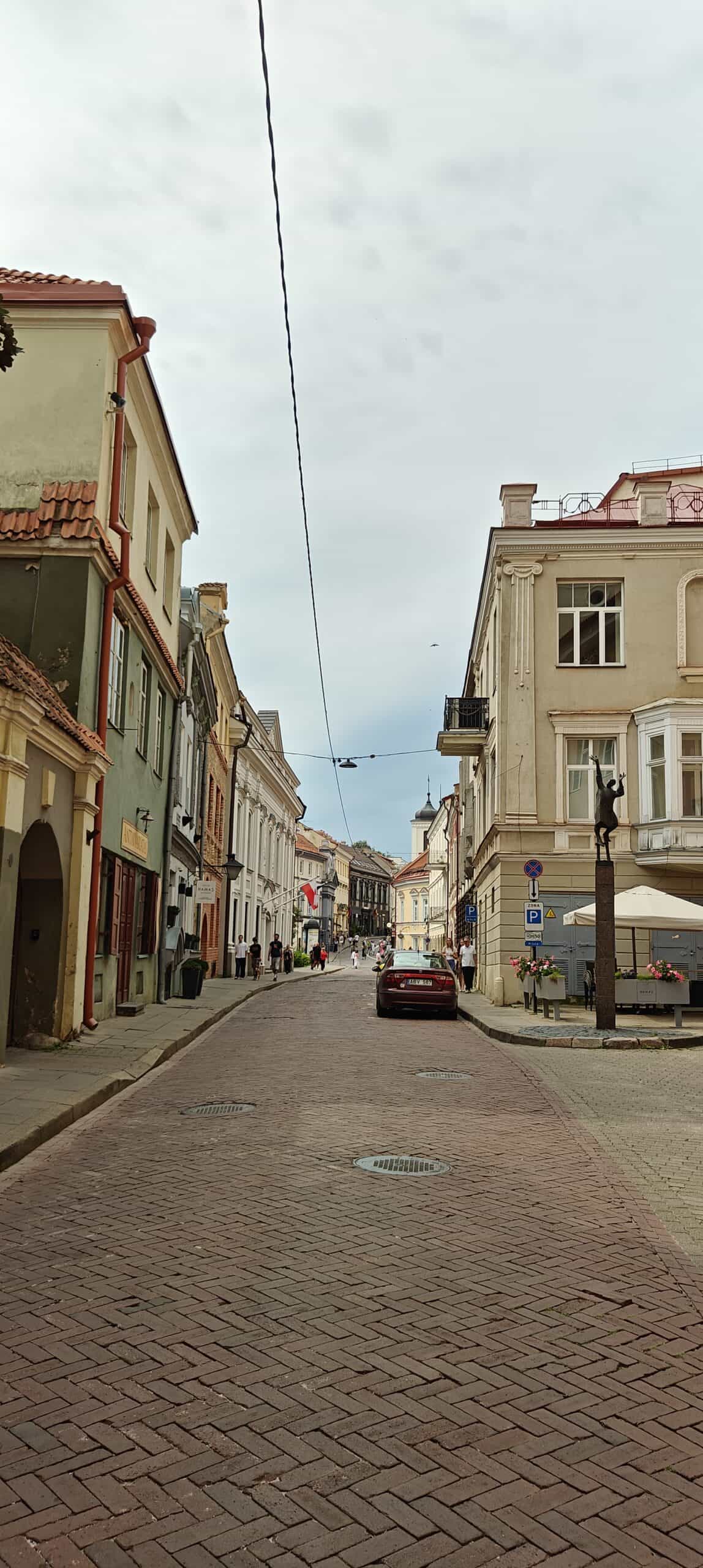
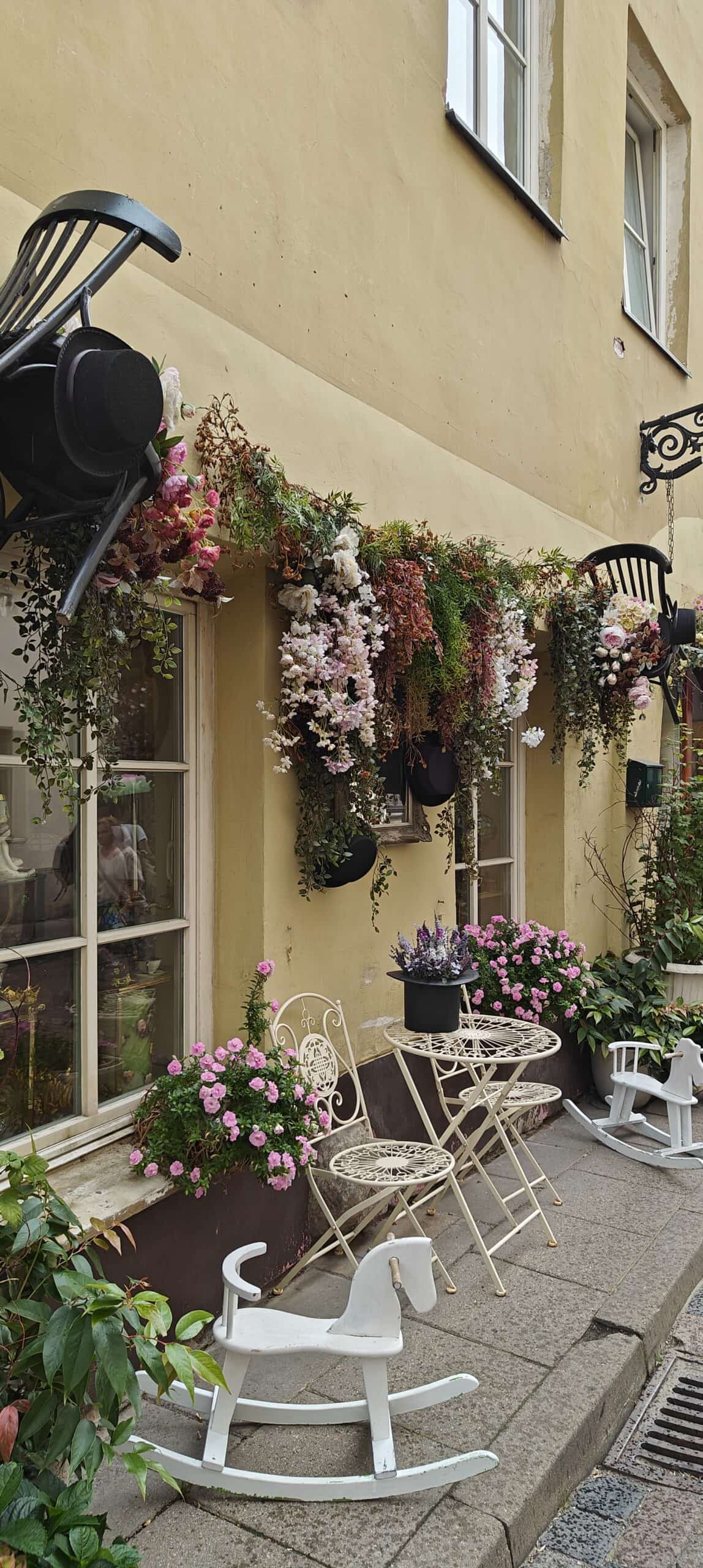
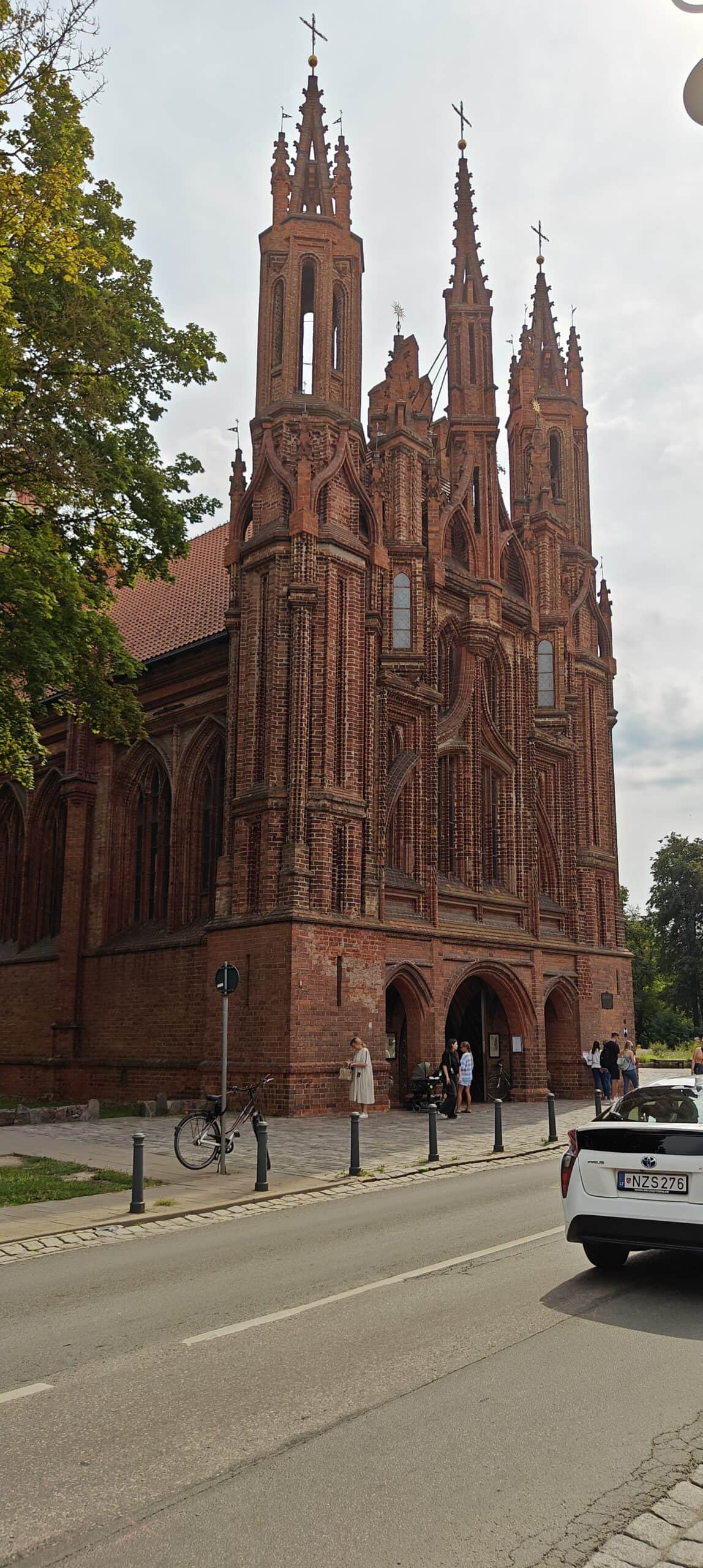
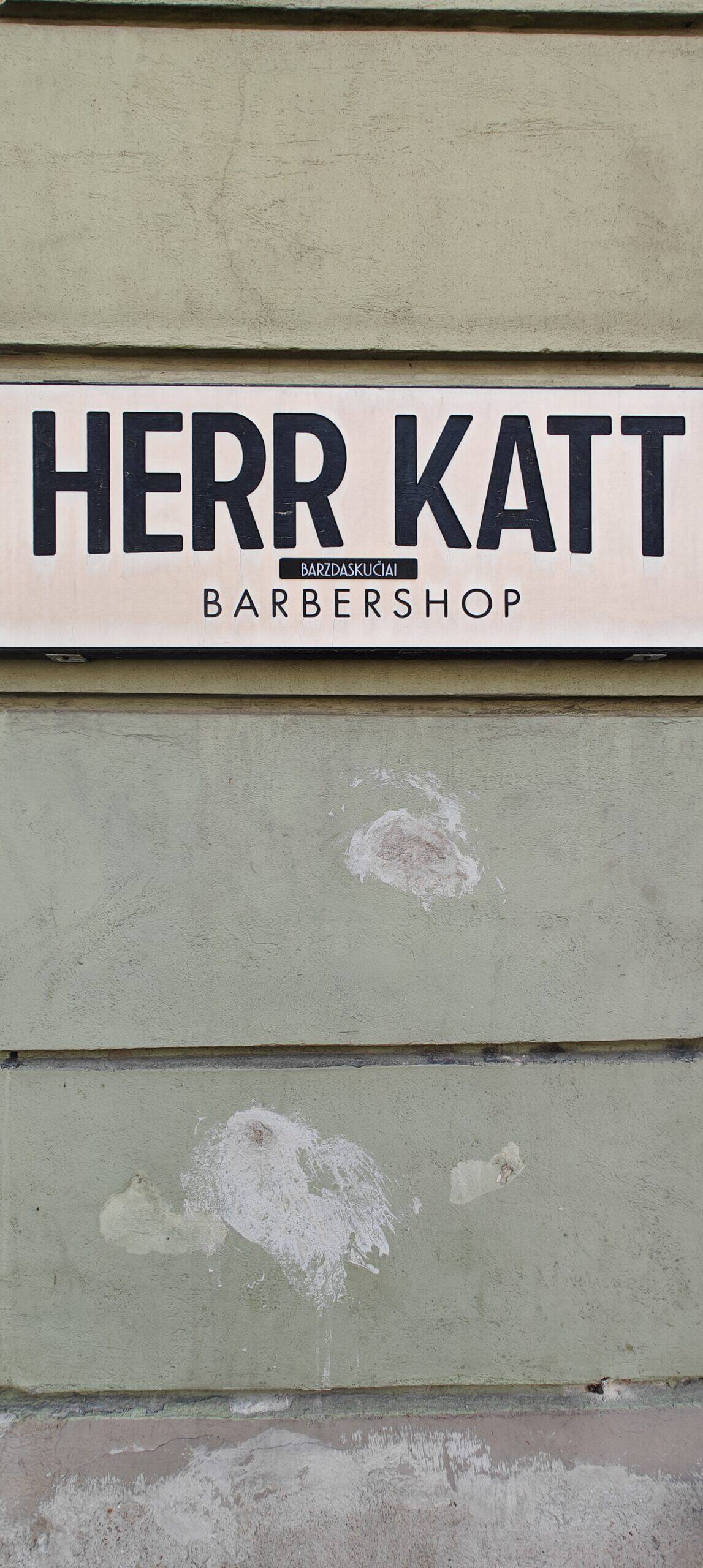
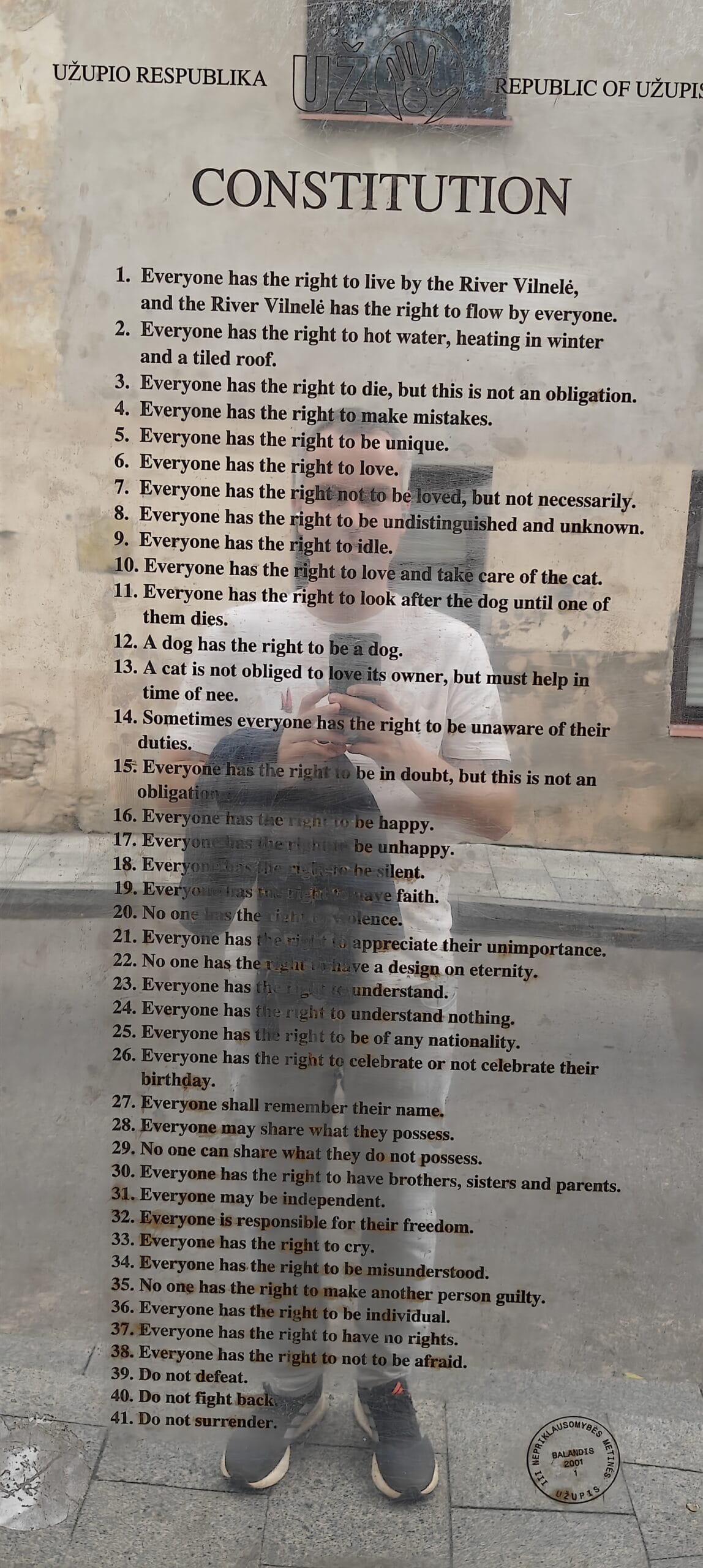
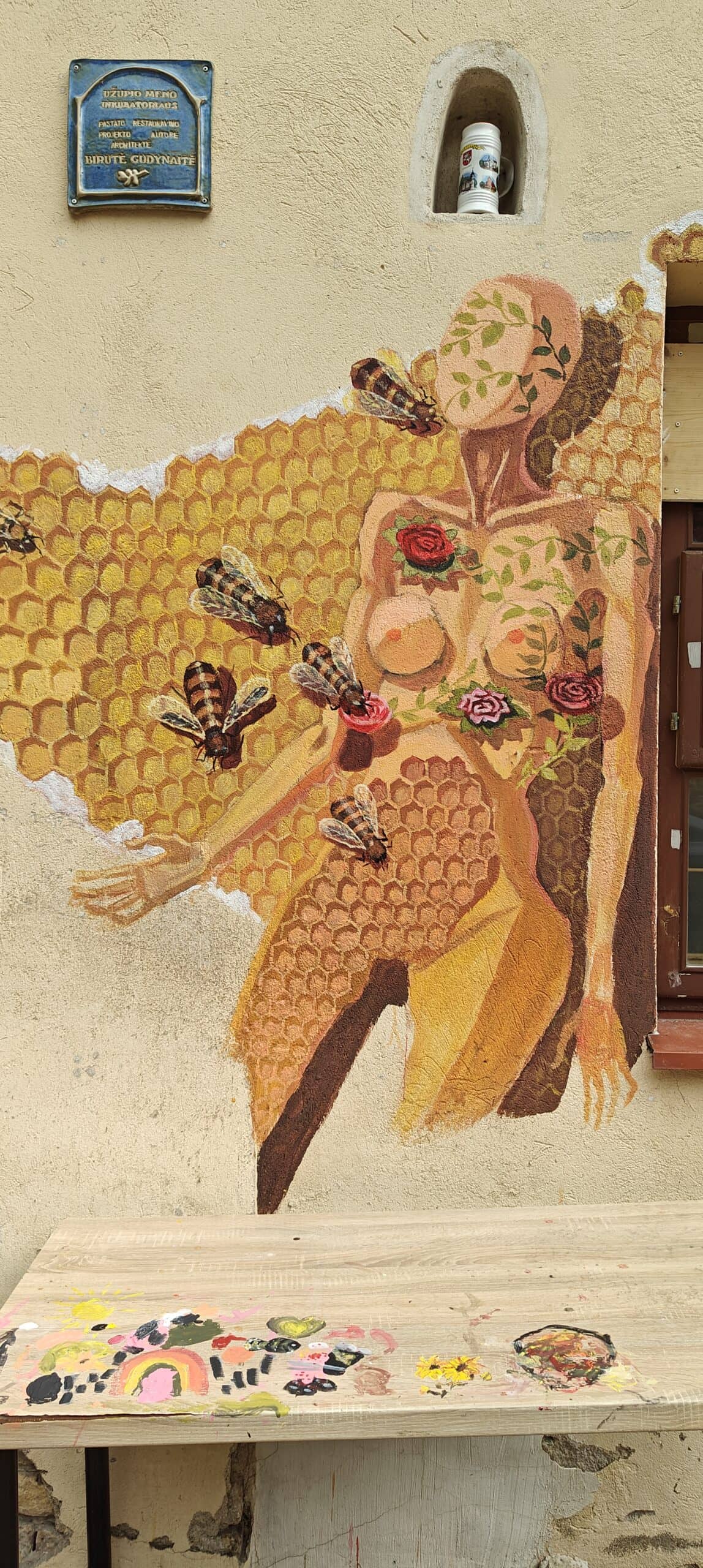
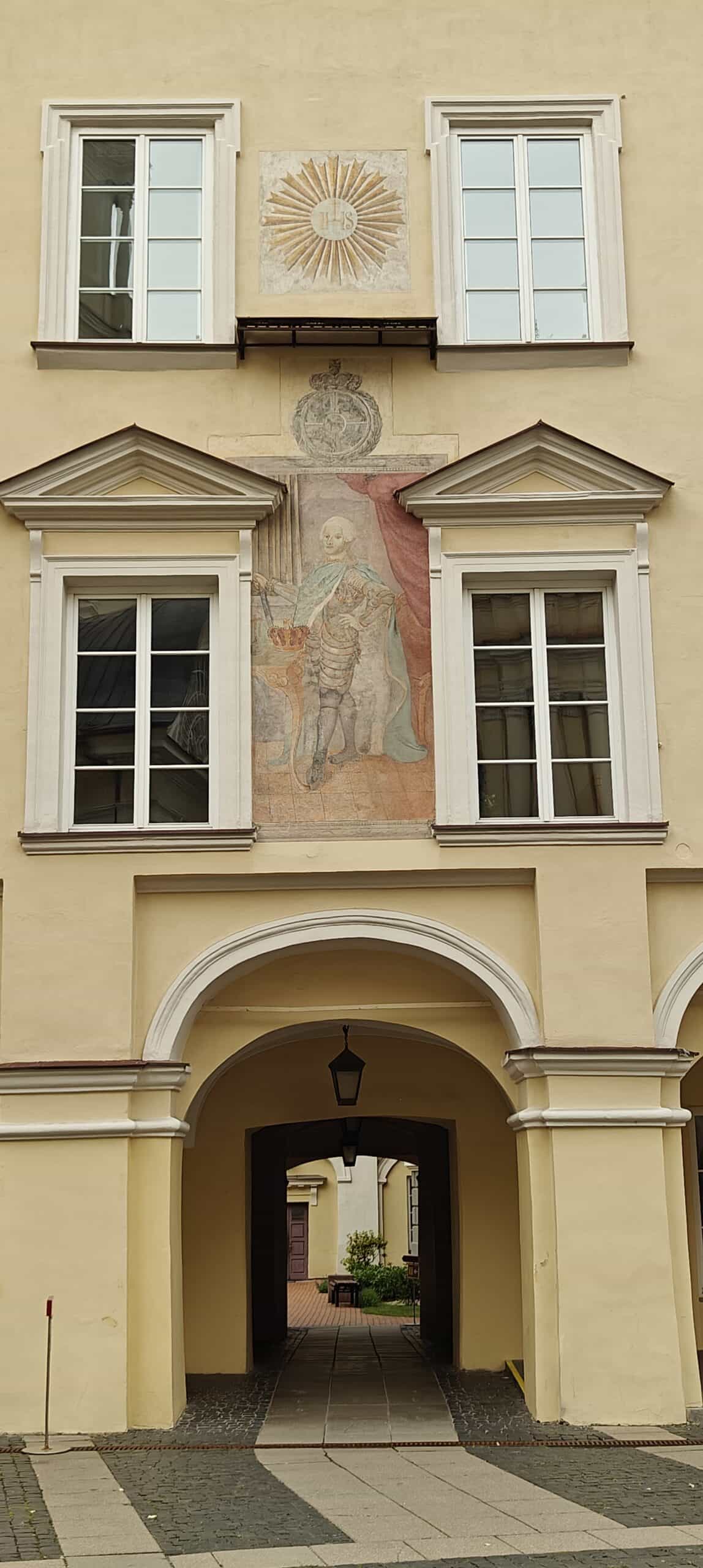
Saturday morning. I jolt awake because my cell phone is blaring a crazy emergency alert. In Germany, I’m only used to seeing these in test messages that are announced in advance. “Where should I get to safety now?” I think subconsciously. But I quickly realize that instead of the Russian in the front yard, it’s just a storm system sweeping across the country. The recommendation is to stay indoors. “Thank God,” I think. I’ve been here for a week now. My energy levels have dropped even further than they already had in Riga. So here in Vilnius, I’ve decided to simply skip any trips outside the city limits altogether. And I feel really good about it! No fear of missing out, no regrets. I’ve made myself really cozy in my garden gazebo, and I have the feeling that this is exactly what I needed.
Last but not least: I’m glad I took my Tour de Baltrikum. I learned a lot once again—about each of the countries, about myself, and I met some wonderful people. However, I decided to set a minimum stay of one month. Subconsciously, I felt too much pressure to see as much as possible every time I went out. Sitting down for coffee so often turned into grabbing a coffee to go. My excursions around the country got shorter and shorter—or didn’t happen at all. That’s not the way I want to travel. I’m now looking forward to Bulgaria, and I’ll have more to share about that soon.